Address1705 Dixie Hwy,
Pompano Beach, FL
33060, United States
Pompano Beach, FL
33060, United States
Introduction
Every dent, scratch, or structural compromise resulting from a car collision can significantly impact your vehicle’s performance, safety, and aesthetics. Quality car collision repair isn’t just about restoring the appearance; it’s about ensuring your vehicle is roadworthy and safe for you and your passengers.
At Pro Car Auto Body Shop, we recognize the critical importance of meticulous collision repair. Beyond the cosmetic aspects, a well-executed repair ensures the structural integrity of your vehicle, maintains its value, and most importantly, guarantees your safety on the road.

Importance of Quality Collision Repair
Quality collision repair goes far beyond fixing visible damage. It involves a meticulous process that identifies, assesses, and rectifies all potential issues caused by the collision. A well-repaired vehicle not only looks good but operates at its optimal level, ensuring the safety of its occupants.
A compromised vehicle structure or improperly repaired components can lead to:
- Safety Risks: Weaknesses in the vehicle’s structure or improperly fixed safety features can increase the risk of injury during potential future accidents.
- Mechanical Problems: Even seemingly minor damages can impact the vehicle’s alignment, suspension, or other mechanical components, affecting its performance.
- Resale Value: A well-documented, professionally repaired vehicle maintains its value better than one with unresolved collision damage.
Understanding Car Collisions
Common Types of Car Collisions
- Rear-End Collisions:
- Description: These occur when a vehicle crashes into the one in front.
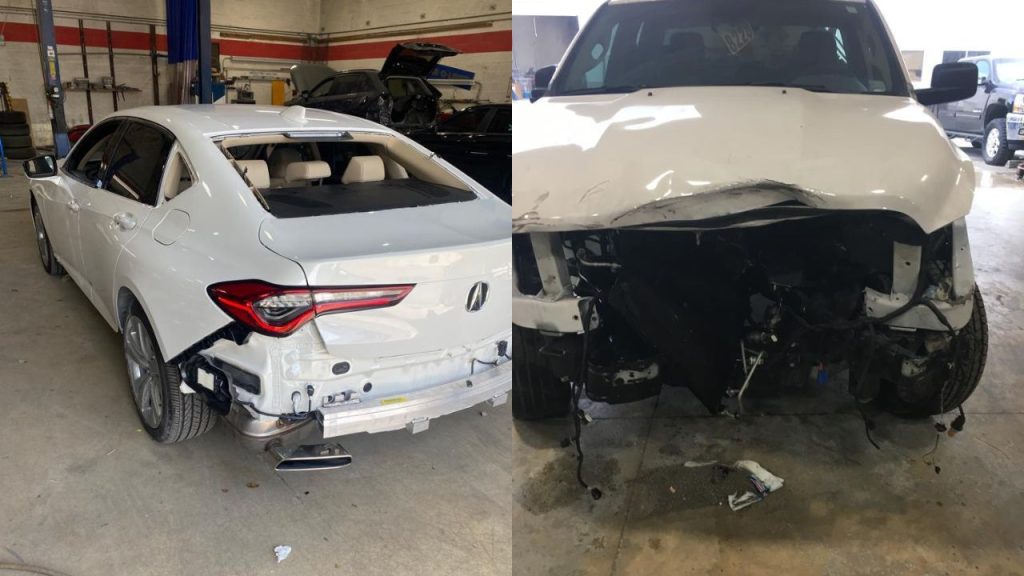
- Impact: Often resulting in bumper damage, misalignment, or in severe cases, damage to the trunk or rear frame.
- Side-Impact Collisions (T-bone Accidents):
- Description: Occur when the front of one vehicle strikes the side of another.
- Impact: These can cause significant damage to doors, frames, and affect the vehicle’s structural integrity.
- Head-On Collisions:
- Description: Front ends of two vehicles collide.
- Impact: This can result in extensive damage to the engine, frame, and crucial safety components.
- Rollover Accidents:
- Description: Vehicle tips onto its side or roof.
- Impact: Significant damage to multiple parts of the vehicle, including roof, pillars, and windows.
Impact on Different Vehicle Parts
- Structural Damage:
- Commonly in Head-On Collisions: Affects the vehicle’s frame or core structure, compromising its integrity.
- Body Panels:
- Commonly in Side-Impact Collisions: Dents or damages doors, quarter panels, and fenders.
- Mechanical Components:
- Rear-End Collisions: Affect the vehicle’s exhaust system, trunk, or rear lights.
- Rollover Accidents: Damage to the roof, pillars, and windows, affecting the vehicle’s structural soundness.
- Safety Features:
- Across Various Collisions: Impact can compromise airbags, seat belts, and other safety systems.
Car collisions impact various parts of the vehicle differently, depending on the type and severity:
- Across Various Collisions: Impact can compromise airbags, seat belts, and other safety systems.
- Structural Damage:

Steps in Car Collision Repair
1. Assessment and Damage Estimation
After a collision, the initial step involves a thorough assessment by skilled technicians. This assessment includes:
- Visual Inspection: Evaluating visible damage to the vehicle’s exterior, including dents, scratches, and paint damage.
- Diagnostic Scans: Using specialized tools to identify underlying issues that might not be immediately visible, such as hidden structural damage or malfunctioning systems.
- Damage Estimation: Determining the extent of repairs needed and creating a detailed repair plan.
2. Disassembly and Repair Planning
Once the assessment is complete, the damaged parts are disassembled to gain a deeper understanding of the repair requirements:
- Disassembly: Removing affected components to access hidden damages and plan for comprehensive repairs.
- Repair Plan: Creating a detailed plan that outlines the sequence of repairs, replacement parts needed, and the estimated timeline for the entire repair process.
3. Structural and Body Repairs
This phase involves addressing structural damage and restoring the vehicle’s body to its original state:
- Structural Repairs: Using specialized equipment and techniques to repair or replace damaged structural components, ensuring the vehicle’s integrity.
- Body Repairs: Meticulously repairing dents, scratches, and other damages on the vehicle’s exterior panels.

4. Paint and Finish Work
fter structural and body repairs, the vehicle undergoes refinishing to restore its appearance:
- Surface Preparation: Smoothing out repaired areas and preparing the surface for paint application.
- Paint Matching: Using advanced color-matching technology to ensure the new paint matches the original color of the vehicle.
- Paint Application: Applying primer, basecoat, and clear coat to achieve a flawless finish.
5. Quality Checks and Testing
Before returning the vehicle to the owner, rigorous quality checks and testing are conducted:
- Quality Assurance: Thorough inspection of the repaired areas to ensure all repairs meet industry standards and manufacturer specifications.
- Test Drive: Testing the vehicle’s performance to ensure all mechanical and safety systems function correctly.
Fast & Reliable Collision Repairs
Trust us to bring your car back to life. Schedule your repair and drive with confidence!
Factors Affecting Repair Costs
1. Severity of Damage
The extent of damage sustained in a collision directly impacts repair costs:
- Minor Damage: Small dents, scratches, or minimal structural damage generally incur lower repair costs.
- Moderate Damage: Extensive dents, frame misalignment, or damage to multiple panels increase repair expenses.
- Severe Damage: Significant structural damage or multiple critical system failures result in higher repair costs.
2. Parts and Materials Required
The type and quantity of parts needed for repair significantly contribute to the overall cost:
- OEM vs. Aftermarket Parts: Original Equipment Manufacturer (OEM) parts are usually more expensive but ensure a precise fit and quality. Aftermarket parts might be more affordable but can vary in quality.
- Specialty Materials: Some repairs might require specialized materials or paints, which can add to the overall cost.
3. Labor Costs
Skilled labor and the time required for repairs are crucial cost factors:
- Labor Hours: The complexity of repairs and the time invested by technicians affect labor costs.
- Expertise and Experience: Highly skilled technicians might charge higher labor rates, but their expertise often ensures superior quality repairs.

4. Additional Expenses
Certain supplementary costs can arise during the repair process:
- Rental Car: If your vehicle is undrivable during repairs, the cost of a rental car can add to the overall expenses.
- Vehicle Damage Inspection and Storage: Charges for Vehicle Damage Inspection the vehicle to the repair shop and storage fees, if applicable, also contribute to the total cost.
5. Insurance Coverage
- Deductibles and Coverage Limits: Your insurance policy, including deductibles and coverage limits, can significantly affect out-of-pocket expenses.
DIY vs. Professional Repair
Advantages of DIY Repairs
- Cost Savings: DIY repairs can save money on labor costs, especially for minor cosmetic damages like small dents or scratches.
- Control and Convenience: Performing minor repairs at home gives a sense of control over the process and allows flexibility in timing.
- Learning Experience: DIY repairs can provide a learning opportunity, helping owners understand their vehicles better.
Limitations of DIY Repairs
- Limited Expertise: Lack of professional knowledge and expertise might lead to incomplete or improper repairs, potentially causing safety hazards or future issues.
- Tools and Equipment: Most DIY enthusiasts lack specialized tools and equipment required for complex repairs, compromising the quality of the repair.
- Voiding Warranties: In some cases, DIY repairs can void vehicle warranties or insurance coverage, leading to additional expenses.

Importance of Professional Expertise and Equipment
- Skilled Expertise: Professional technicians undergo training and have hands-on experience, ensuring thorough and accurate repairs.
- Specialized Tools: Auto body shops are equipped with specialized tools and diagnostic equipment needed for precise and efficient repairs.
- Quality Assurance: Professional repairs come with warranties and assurances, providing peace of mind to vehicle owners regarding the quality of workmanship.
Fast & Reliable Collision Repairs
Trust us to bring your car back to life. Schedule your repair and drive with confidence!
Choosing the Right Auto Body Shop
1. Researching and Comparing Local Shops
- Online Reviews: Check platforms like Google, Yelp, or social media for reviews and ratings. Look for consistent positive feedback and experiences.
- Word-of-Mouth: Ask friends, family, or colleagues for recommendations based on their experiences with local auto body shops.
- Visit Shops: Physically visit shops to assess their cleanliness, organization, and professionalism.
2. Certifications and Qualifications to Look For
- ASE Certification: Look for technicians certified by the National Institute for Automotive Service Excellence (ASE), indicating their expertise and commitment to quality.
- Manufacturer Certifications: Some shops might have certifications from vehicle manufacturers, ensuring they meet specific standards for repairing those vehicles.
- Membership in Industry Associations: Shops affiliated with industry associations like the Automotive Service Association (ASA) often maintain higher standards of service.
3. Reviews and Testimonials
- Customer Testimonials: Read or ask for customer testimonials to gauge satisfaction levels and experiences with the shop’s services.
- Quality of Work: Look for before-and-after photos or examples of their repair work to assess the quality and attention to detail.
4. Questions to Ask Before Selecting a Shop
- Experience and Expertise: Inquire about the shop’s experience with your vehicle make and model and the types of repairs they specialize in.
- Insurance and Warranty: Ask about insurance coverage, warranties on repairs, and how they handle insurance claims.
- Repair Process: Understand their repair process, from assessment to completion, to ensure transparency and quality control.
- Timeline and Communication: Discuss expected timelines for repairs and how the shop communicates progress updates.
Car Collision Prevention Tips
1. Defensive Driving Techniques
- Maintain Safe Distance: Keep a safe distance from other vehicles to allow enough reaction time in case of sudden stops or maneuvers.
- Anticipate Others’ Actions: Be vigilant about other drivers’ behavior and anticipate potential hazards or erratic driving.
- Use Signals and Check Blind Spots: Always use signals when changing lanes and check blind spots to avoid collisions with adjacent vehicles.
2. Regular Vehicle Maintenance
- Brake and Tire Checks: Ensure brakes and tires are in optimal condition. Worn-out brakes or tires can significantly increase the risk of collisions.
- Regular Servicing: Stick to the recommended service schedule for your vehicle. Regular maintenance checks can identify and fix potential issues before they become safety hazards.
- Functional Lights: Ensure all lights (headlights, brake lights, turn signals) are functioning correctly, enhancing visibility and signaling your intentions to other drivers.
Conclusion
In this comprehensive guide, we’ve explored the intricate world of car collision repair, from understanding different types of collisions to the essential steps in the repair process. We’ve discussed factors influencing repair costs, the importance of choosing the right auto body shop, and valuable tips for preventing collisions. Here’s a recap of the key points:
- Understanding Collisions: Recognize the types of collisions and their impacts on various vehicle parts.
- Repair Process: The meticulous steps involved in repairing collision damage, ensuring safety and quality.
- Factors Affecting Costs: Assessing damage severity, parts needed, labor costs, and additional expenses.
- DIY vs. Professional Repair: The advantages and limitations of both approaches.
- Choosing the Right Shop: Researching, certifications, reviews, and questions to ask.
Prioritize Quality Collision Repair
Your vehicle’s safety and performance are paramount. A comprehensive and professional collision repair isn’t just about restoring appearances; it’s about ensuring your safety and the vehicle’s longevity. Don’t compromise on the quality of repairs.
Consult Pro Car Auto Body Shop for Professional Assistance
At Pro Car Auto Body Shop, we pride ourselves on delivering top-notch collision repair services. Our certified technicians, state-of-the-art equipment, and commitment to excellence ensure your vehicle receives the care and attention it deserves. Contact us today for a consultation and let us restore your vehicle to its pre-accident condition.
Your safety on the road matters. Trust the experts at Pro Car Auto Body Shop for reliable, professional, and quality collision repair services.