
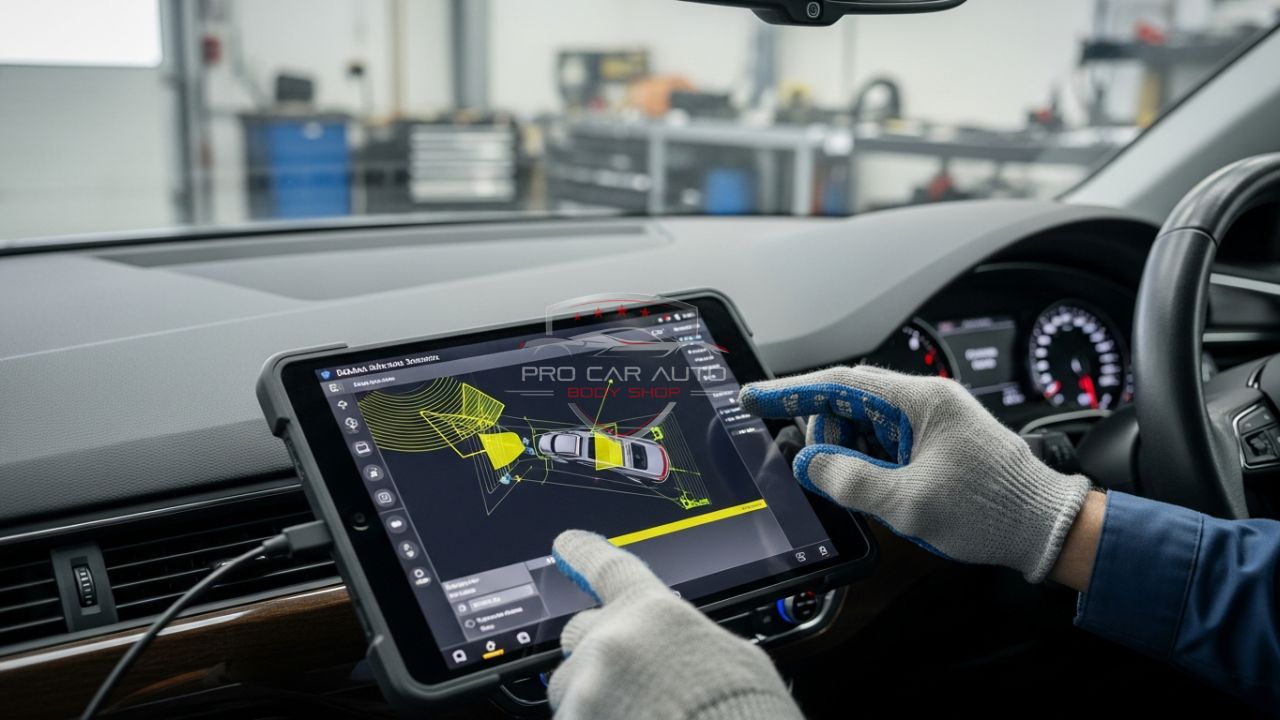
The Ghost in the Machine: Why Your Audi’s ADAS Needs Recalibration Even With No Dashboard Lights?
From the technicians at Procar Auto Bodyshop who recalibrate high-tech safety systems every single day.
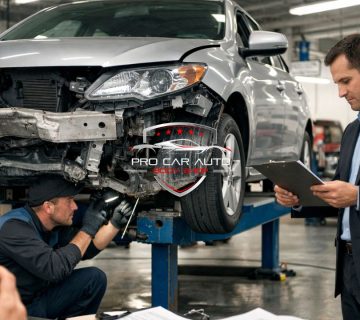
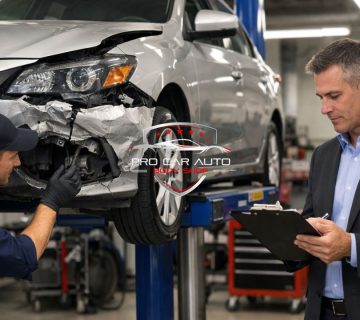
A customer came into Procar Auto Bodyshop last month with a 2021 Audi Q5. Minor fender bender. Hood was dented, front bumper cracked. No airbags deployed. Dashboard was clean—no warning lights, no error messages. Just wanted us to fix the cosmetic damage and get back on the road.
I looked at him and said, “Your ADAS system absolutely needs recalibration before this car is safe to drive.”
He looked at me like I was trying to upsell him. “But there are no warning lights. Everything works fine.“
Here’s what I told him—and what I’m telling you now: Your Audi’s advanced safety systems can be dangerously misaligned without triggering a single dashboard warning. And if they fail when you need them most, you won’t get a second chance.
Let me explain the ghost in your machine.
What Is ADAS and Why Should You Care?
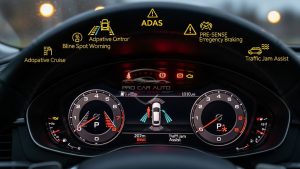
ADAS stands for Advanced Driver Assistance Systems. If you’re driving a modern Audi—especially one from 2016 or newer—your car is packed with technology that’s constantly working to keep you safe.
The Systems Protecting You Right Now:
- Adaptive Cruise Control (ACC): Maintains safe distance from the car ahead, automatically adjusting your speed.
- Lane Departure Warning/Lane Keeping Assist: Detects when you’re drifting out of your lane and either warns you or gently steers you back.
- Pre-Sense Front/Rear: Monitors traffic and prepares the car for impact, tightening seatbelts and closing windows if a collision is imminent.
- Automatic Emergency Braking (AEB): Slams on the brakes if you’re about to hit something and haven’t reacted.
- Blind Spot Monitoring: Alerts you when vehicles are in your blind spots.
- Traffic Sign Recognition: Reads speed limit signs and displays them on your dashboard.
- Park Assist: Helps you parallel park or avoid obstacles while backing up.
- Night Vision (on select models): Uses infrared cameras to detect pedestrians and animals in the dark.
Here’s the thing: All of these systems rely on cameras, radar sensors, and ultrasonic sensors positioned around your vehicle. And every single one of them needs to be aimed with millimeter precision.
Pro Tip from the Shop: Even if you don’t think you use these features, they’re working in the background. Your Audi is constantly monitoring your surroundings, and many safety interventions happen without you even knowing.
The Invisible Problem: Why Your Dashboard Stays Dark
This is the part that terrifies me as a technician, and it should concern you as a driver.
Your Audi Won’t Always Tell You There’s a Problem
Modern Audis are incredibly sophisticated. But here’s what many people don’t understand: the system can only detect electrical failures and major malfunctions. It cannot detect physical misalignment.
Think about it like this: If a camera is unplugged, your Audi knows. It throws a warning light.
But if that same camera is pointing two degrees to the left because your bumper got pushed in during a minor collision? The camera still has power. It’s still sending data. The system thinks everything is fine.
But everything is NOT fine.
What Happens With Misaligned ADAS:
- Lane Keeping Assist: Instead of keeping you centered in your lane, it might pull you toward the lane line—or worse, not intervene when you actually drift.
- Adaptive Cruise Control: May not properly detect the vehicle in front of you, leading to late braking or false readings.
- Automatic Emergency Braking: Could activate when there’s no danger (terrifying when you’re driving at highway speeds) or fail to activate when there IS danger.
- Pre-Sense Systems: Won’t deploy protective measures at the right time or in the right way.
- Blind Spot Monitoring: Might not detect vehicles that are actually in your blind spot.
You’re driving around thinking you’re protected by cutting-edge safety technology. In reality, you might be less safe than if those systems were turned off entirely.
Not sure if your Audi’s ADAS is properly calibrated? Bring it to Procar Auto Bodyshop for a free ADAS diagnostic scan. We’ll tell you exactly what’s working and what needs attention—no charge, no obligation.
When Does Your Audi NEED Recalibration?
Here’s the straight truth: Audi and other manufacturers have specific guidelines about when ADAS recalibration is required. Most body shops ignore them. We don’t.
Mandatory Recalibration Scenarios:
After ANY Collision Repair Involving:
- Front or rear bumper replacement or repair
- Hood replacement or structural repair
- Windshield replacement
- Fender replacement or pulling
- Door replacement (especially on vehicles with side cameras)
- Roof repairs (some Audis have cameras mounted in roof rails)
- Any work on the chassis or frame
- Suspension work that affects ride height
After Wheel Alignment: This surprises people, but it’s in Audi’s service manual. When you change the geometry of how your wheels contact the road, the cameras and radar need to know about it.
After Tire Replacement (in some cases): Especially if you change tire sizes or if your vehicle has been lowered/raised.
After Headlight Replacement: Many Audi models integrate ADAS sensors into the headlight assemblies.
After Battery Disconnect: Some ADAS systems lose their learned calibration when power is cut.
After Software Updates: Dealer software updates sometimes require recalibration to optimize new algorithms.
The “Minor” Collision Myth
I hear it all the time: “It was just a little tap. No big deal.“
Let me show you what “just a little tap” can do:
A 5mph parking lot collision can push your front bumper back 3-8mm. That’s less than half an inch. To you, it’s nothing. To the radar sensor mounted in that bumper that’s trying to track vehicles 150 meters ahead of you at highway speeds? That’s the difference between detecting a threat and missing it entirely.
The camera mounted in your windshield that handles lane keeping? If your hood got pushed up even slightly and changed the angle of what that camera sees, it’s now tracking the wrong reference points.
Pro Tip from the Shop: We’ve seen Audis come in after “minor” accidents where the owner declined recalibration to save money. Six months later, their adaptive cruise control started behaving erratically. By then, they’d been driving an unsafe vehicle for half a year.
The Recalibration Process: Why It’s Not Simple
Some shops will tell you they can “reset” your ADAS systems with a generic scanner. They’re lying to you or don’t know better.
What Real ADAS Recalibration Requires:
1. Factory-Level Diagnostic Equipment
We use Audi-specific diagnostic tools that communicate directly with your vehicle’s control modules. Generic OBD2 scanners can’t access these systems properly.
2. Manufacturer Calibration Targets
Audi requires specific calibration targets—basically large printed patterns that cameras use to establish reference points. These aren’t universal; different models need different targets.
3. Precisely Controlled Environment
- Level floor (verified with laser leveling)
- Specific lighting conditions (no direct sunlight, no shadows)
- Exact distances measured with laser measuring tools
- Vehicle positioned at precise ride height
- Correct tire pressure
- Fuel tank at specified level (weight distribution matters)
4. Static and Dynamic Calibration
Static Calibration: Done in the shop with the vehicle stationary and calibration targets positioned at exact distances and angles.
Dynamic Calibration: Requires driving the vehicle on specific road types (straight roads with clear lane markings) at specific speeds for specific distances while the system “learns” its environment.
Some systems need only static, some only dynamic, and some need both. It depends on the model year and specific sensors involved.
5. Verification Testing
After calibration, we run complete diagnostic scans to verify every system is communicating correctly and within manufacturer specifications.
The Time and Cost Reality
Proper ADAS recalibration for an Audi typically takes:
- 2-4 hours of labor
- Specialized equipment worth $15,000-$50,000
- Technician certification and ongoing training
- Sometimes a test drive of 10-20 miles
This isn’t a 15-minute job you can do in your driveway with a code reader from AutoZone.
Getting an estimate that doesn’t include ADAS recalibration after collision repair? Bring it to Procar Auto Bodyshop for a free second opinion. We’ll explain exactly what your Audi needs and why—backed by factory service procedures.

The Insurance Game: Why They Don’t Want to Pay
Here’s where things get frustrating. Your insurance company knows ADAS recalibration is required. But they’re hoping you don’t.
Common Insurance Tactics:
- “No warning lights means no problem.” We’ve already covered why this is false. Don’t fall for it.
- “The shop can just reset the codes.” Resetting error codes is not the same as recalibration. It’s like turning off your smoke detector instead of putting out the fire.
- “Use our preferred shop—they don’t charge for recalibration.” If they’re not charging, they’re not doing it. Period. Proper recalibration requires expensive equipment and time.
- “That’s not part of the repair.” Actually, it is. Audi’s repair procedures explicitly require recalibration. Your insurance company is legally obligated to restore your vehicle to pre-accident condition, which includes functional safety systems.
How to Fight Back:
- Stand Your Ground: You have the legal right to a safe, properly repaired vehicle.
- Demand Manufacturer Repair Procedures: Ask your shop to provide Audi’s official repair procedures showing recalibration requirements.
- Use the Magic Words: Tell your adjuster, “I’m requesting repairs according to OEM specifications and manufacturer safety guidelines.“
- Get It in Writing: Make sure ADAS recalibration is listed on your estimate and approved before repairs begin.
At Procar Auto Bodyshop, we handle these insurance negotiations every day. We know the arguments, we have the documentation, and we fight for proper repairs on your behalf.
Pro Tip from the Shop: Never sign off on a repair or accept your vehicle back until you’ve verified that ADAS recalibration was completed and you have documentation proving it.
Real-World Consequences: What Happens When It Goes Wrong
Let me share some stories that keep me up at night.
Case Study 1: The False Confidence
Customer brought in a 2020 Audi A4 after front-end damage. Previous shop did beautiful cosmetic work but skipped ADAS recalibration to keep costs down. Customer didn’t know any better.
Three months later, he’s on I-95 relying on adaptive cruise control. The system failed to properly detect stopped traffic ahead. His automatic emergency braking kicked in two seconds too late. Rear-ended the car in front at 45mph.
He thought his car was protecting him. It wasn’t. The initial cheap repair led to a second, much more expensive collision—and potential injury.
Case Study 2: The Phantom Braking
A 2019 Audi Q7 came to us as a second repair. Original shop had replaced the front bumper after a parking lot incident but never recalibrated the forward radar.
The sensor was aimed slightly lower than specification. Over the next few weeks, the automatic emergency braking started randomly activating—the system was detecting the road surface as an obstacle.
Random full-force braking at 60mph on the highway is terrifying for the driver and incredibly dangerous for vehicles behind you.
Case Study 3: The Trade-In Disaster
Customer traded in their Audi at a dealership. During pre-purchase inspection, the dealer ran ADAS diagnostics and discovered the systems were out of calibration—evidence of improper previous repair.
The dealer knocked $3,200 off the trade-in value. Our customer had saved $800 by skipping recalibration after their accident repair. It cost them $2,400 in lost value.

How to Choose a Shop That Does ADAS Right?
Not all body shops are created equal, especially when it comes to modern vehicle technology.
Questions to Ask:
- “Do you have Audi-specific diagnostic and calibration equipment?” They should show you their Audi ODIS system and calibration tools.
- “Are your technicians certified in ADAS calibration?” Look for I-CAR certification, manufacturer training, and ongoing education.
- “What’s your calibration process for my specific model?” They should be able to explain static vs. dynamic calibration and which your vehicle needs.
- “Can I see your calibration bay?” It should be a dedicated space with proper lighting, level floor, and room for target placement.
- “Will you provide documentation of completed calibration?” You should receive diagnostic scan results before and after calibration.
- “How do you handle insurance companies that resist paying for recalibration?” You want a shop that advocates for proper repairs, not one that caves to insurance pressure.
Red Flags:
- “We’ll just reset the computer.”
- “ADAS recalibration is optional.”
- “Your car will tell you if there’s a problem.”
- No dedicated calibration equipment visible
- Can’t explain the specific process for your vehicle
- No mention of recalibration in their estimate
The Bottom Line: Your Safety Is Non-Negotiable
You bought an Audi because you value German engineering, performance, and cutting-edge safety technology. The engineers at Audi spent millions developing systems designed to prevent accidents and save lives.
When those systems are misaligned—even slightly—you’re driving a car that can’t protect you the way it was designed to. And the truly scary part? You won’t know until it fails you in a critical moment.
The Math That Matters:
- ADAS Recalibration Cost: $300-$800 depending on systems involved
- Cost of Collision from Failed ADAS: $5,000-$50,000+ in repairs, potential injury, insurance rate increases, and diminished vehicle value
- Cost of Serious Injury or Worse: Immeasurable
Pro Tip from the Shop: If you’re unsure whether your Audi has had proper ADAS recalibration after previous repairs, bring it in. We can run diagnostics to check calibration status and give you peace of mind—or let you know what needs to be corrected.
What Audi Owners Need to Know?
Your ADAS Systems Are:
- Always Working: Even when you’re not actively using them, they’re monitoring and ready to intervene.
- Incredibly Precise: Calibration tolerances are measured in millimeters and fractions of degrees.
- Required After Repairs: Any structural, body, or glass work requires recalibration—it’s not optional.
- Not Self-Correcting: Unlike some systems that can “learn,” ADAS needs manual recalibration to factory specs.
- Your Responsibility: You’re the owner. Make sure repairs are done correctly.
Your Rights As a Vehicle Owner:
- Choose your own repair facility
- Demand OEM repair procedures be followed
- Require proper ADAS recalibration
- Receive documentation of completed work
- Hold insurance companies accountable for complete repairs
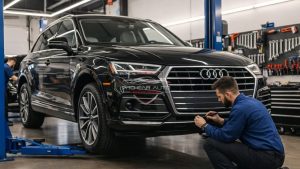
Procar Auto Bodyshop: Audi ADAS Specialists
At Procar Auto Bodyshop, we’ve invested heavily in the technology and training needed to properly service modern Audi vehicles:
✓ Audi ODIS diagnostic and programming system
✓ Factory-approved calibration targets and equipment
✓ Dedicated calibration bay with controlled environment
✓ I-CAR Platinum certified technicians
✓ Ongoing manufacturer training and updates
✓ Complete documentation of all calibration work
✓ Insurance claim advocacy for proper repairs
Free Services We Offer:
- ADAS diagnostic scan and calibration verification
- Post-repair ADAS system testing
- Insurance estimate review for missing procedures
- Consultation on whether recalibration is needed
When Your Audi Needs ADAS Work:
- 📞 Call: 561-372-4547
- 📍 Visit: 1705 N Dixie Hwy, Pompano Beach, FL 33060
- 💻 Online: www.procarautobodyshop.com
Don’t trust your Audi’s advanced safety systems to just anyone. Trust the specialists who understand that invisible problems require visible expertise.
Quick Reference: Does My Audi Need ADAS Recalibration?
YES, if you’ve had:
- Any collision, even minor
- Bumper repair or replacement (front or rear)
- Windshield replacement
- Hood repair or replacement
- Headlight replacement
- Wheel alignment
- Suspension work
- Ride height changes
MAYBE, if:
- You’ve noticed unusual ADAS behavior
- Your car was purchased used with unknown repair history
- You experience phantom warnings or interventions
- It’s been several years since last calibration verification
GET IT CHECKED, if:
- You’re unsure about previous repairs
- You’re experiencing any safety system glitches
- You want peace of mind about your family’s safety
P.S. — Your Audi’s ADAS isn’t magic. It’s precision engineering that requires precision maintenance. Don’t let the ghost in your machine become a real safety hazard. Get it checked. Get it calibrated. Drive safely.
The technology that protects you only works when it’s properly maintained.
FAQs: Audi ADAS Recalibration Guide
1. Why does my Audi need ADAS recalibration with no warning lights?
Audi’s ADAS detects electrical issues but not sensor misalignment from collisions. Cameras and radar can shift slightly, causing false braking, lane drift, or failed emergency stops without dashboard alerts. Procar Auto Bodyshop recommends a free scan post-repair.
2. When is ADAS recalibration mandatory for Audi models like Q5 or A4?
After bumper repair, hood adjustment, windshield replacement, wheel alignment, or any front-end work. Audi service manuals require it for 2016+ models to ensure ACC, AEB, blind spot, and Pre-Sense function precisely.
3. How long does Audi ADAS recalibration take at Procar Auto Bodyshop?
2-4 hours using Audi ODIS, factory targets, in a controlled bay. Includes static/dynamic tests, verification scans, and 10-20 mile test drive. Costs $300-$800 based on systems.
4. Will insurance cover ADAS recalibration in Pompano Beach?
Yes—OEM procedures mandate it for pre-accident condition. Use phrases like “OEM specifications” with adjusters. Procar handles negotiations, provides documentation, fights tactics like “no lights, no problem“.
5. What happens if I skip ADAS recalibration after a minor fender bender?
Misaligned sensors lead to phantom braking, late AEB, erratic cruise control, or trade-in value loss ($2,000+). Real cases: I-95 rear-ends, highway scares. Safer to check—free at Procar.
6. Is Procar Auto Bodyshop certified for Audi ADAS in South Florida?
Yes—I-CAR Platinum, Audi ODIS-equipped, dedicated bay, factory targets. Serving Pompano Beach, Fort Lauderdale, Boca Raton. OEM parts, certified techs for luxury Audis. Call (561) 372-4547.
7. Can I DIY ADAS recalibration on my Audi?
No—requires $15K+ equipment, laser leveling, specific targets, certified environment. Generic scanners fail. Risk unsafe driving. Trust Procar experts.
8. What ADAS systems need recalibration most after bumper damage?
Forward radar (AEB, ACC), windshield camera (lane keeping, signs), blind spot sensors. All millimeter-precise—a 5mph tap shifts them 3-8mm.




No comment