Does Insurance Cover Collision Repair? Understanding Coverage, Approvals, and Proper Repairs
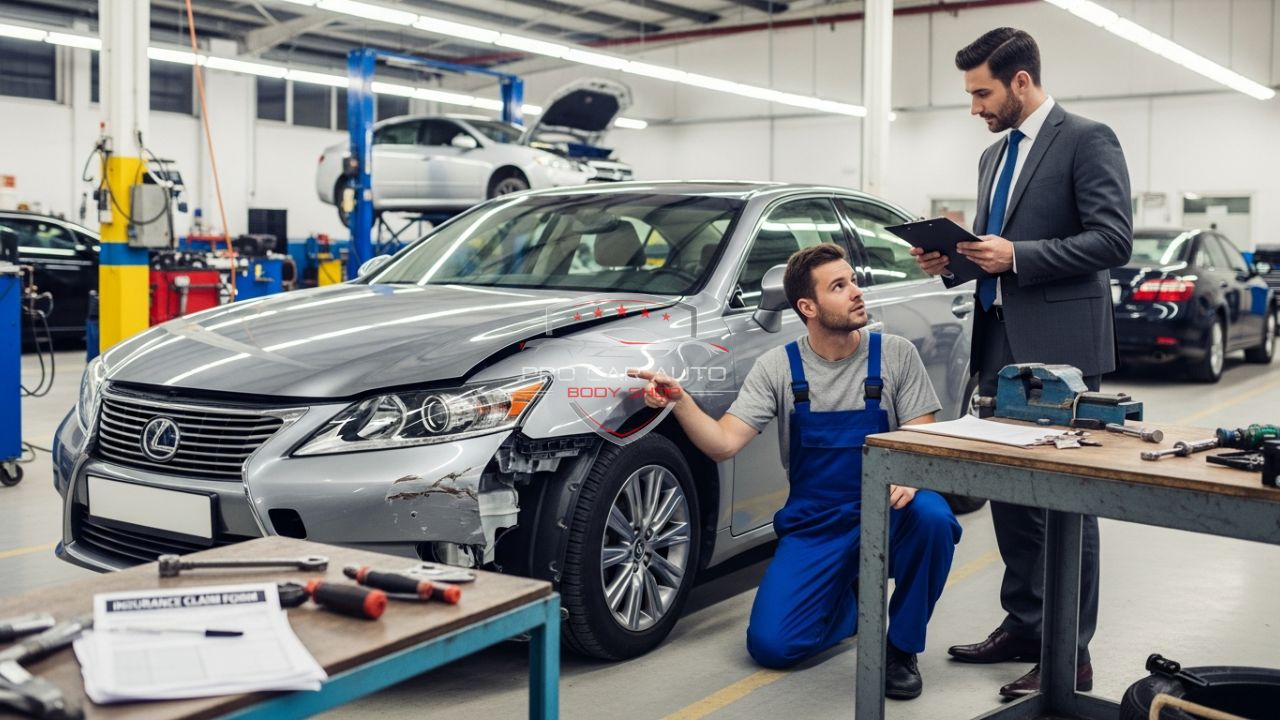
After a vehicle accident, one of the biggest concerns for car owners is whether insurance will actually cover collision repair. While many policies do include collision coverage, the reality is that insurance approval does not automatically mean full or proper repair coverage. The outcome of a collision repair claim depends heavily on how damage is inspected, documented, and justified.
Collision repair is not just cosmetic—it involves structural integrity, safety systems, and vehicle performance. That is why professional inspection and insurance coordination are essential after an accident.
Collision Repair Coverage Is Not Automatic — It Depends on the Claim
Insurance coverage for collision repair generally applies when:
- Collision coverage is included in the policy
- Another driver’s liability coverage is responsible
- The damage is directly related to an accident
However, coverage approval is not a one-step process. Insurance companies review damage based on documentation, repair logic, and policy terms. Without professional evaluation, many necessary repairs may be delayed or excluded.
Why Insurance Companies Often Approve Limited Repairs First?
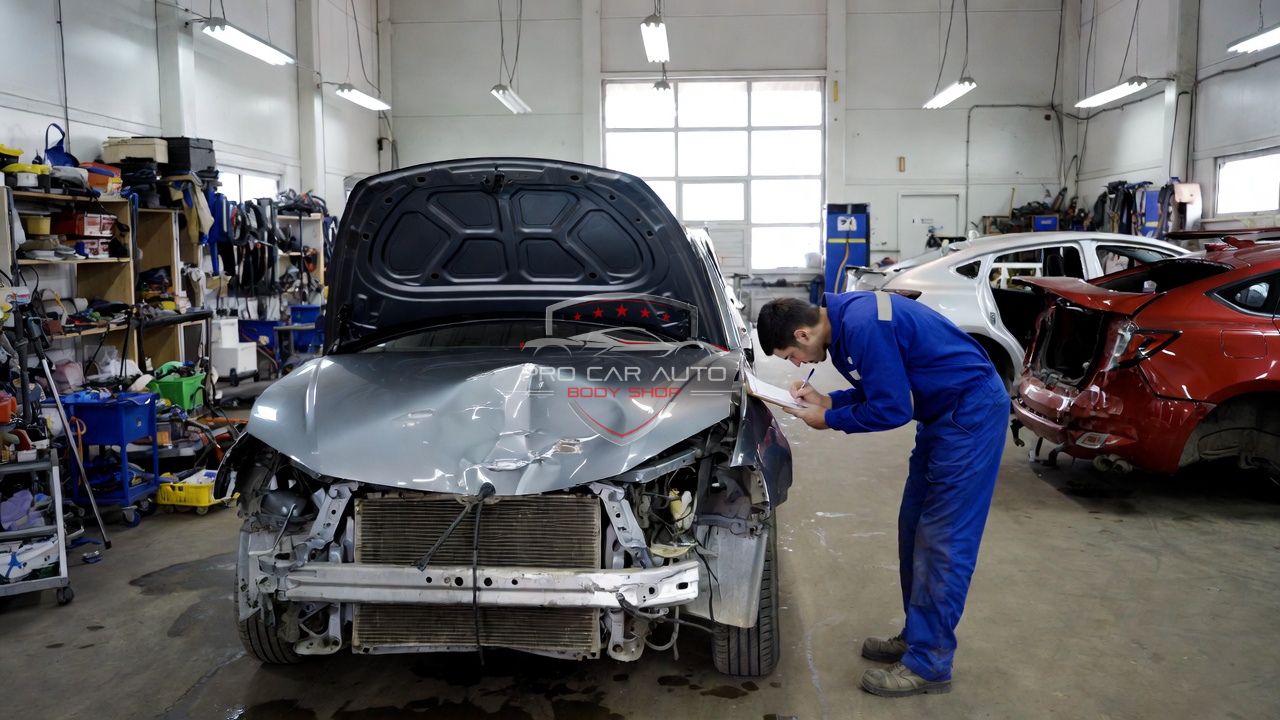
Most insurance claims begin with a preliminary estimate, often created using photos or a brief visual inspection. These estimates are designed to start the claim, not complete it. As a result, they often:
- Focus only on visible exterior damage
- Exclude internal and structural components
- Omit safety system inspections
- Do not account for manufacturer repair requirements
This initial estimate is rarely the final repair scope.
What Insurance Typically Covers in Collision Repair
When damage is properly documented, insurance may cover:
- Structural and frame-related repairs
- Panel repair or replacement
- Paint refinishing and blending
- Suspension and steering components
- Safety system diagnostics and recalibration
- Labor and materials required for proper restoration
Coverage is determined by whether the repair is necessary, accident-related, and supported by documentation.
Hidden Damage Plays a Major Role in Collision Claims
Collision forces travel far beyond the visible impact area. Hidden damage commonly affects:
- Frame and subframe alignment
- Suspension mounting points
- Steering components
- Sensors, cameras, and safety modules
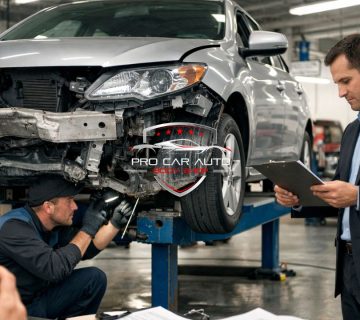
This type of damage often becomes visible only after the vehicle is partially disassembled. Professional collision repair facilities are equipped to identify and document these issues correctly.
Why Supplements Are Essential for Full Insurance Coverage?
Insurance estimates are often written before disassembly. As repairs progress, additional damage is discovered. At that point, supplemental documentation is submitted to the insurance company.
Supplements explain:
- What additional damage was found?
- Why it is related to the collision?
- Why the repair is required for safety and function?
Supplements are not disputes—they are a standard and necessary part of accurate collision repair.
Manufacturer Repair Procedures Influence Coverage Decisions
Modern vehicles are engineered with specific materials, welds, adhesives, and safety systems. Insurance coverage decisions increasingly rely on OEM repair procedures to determine what repairs are necessary.
Professional collision repair shops support:
- Manufacturer repair documentation
- Approved structural repair methods
- Proper safety system recalibration
- Vehicle integrity verification
Repairs that ignore these standards can compromise safety and future accident protection.
Insurance Coverage Is Based on Evidence, Not Assumptions
Insurance companies approve repairs based on documented proof. This includes:
- Detailed damage inspections
- Repair logic tied to accident impact
- Photo and diagnostic documentation
- Manufacturer procedure references
Professional auto body shops prepare insurance-ready documentation that supports proper claim approval and minimizes delays.
Your Choice of Repair Shop Affects the Final Coverage Outcome
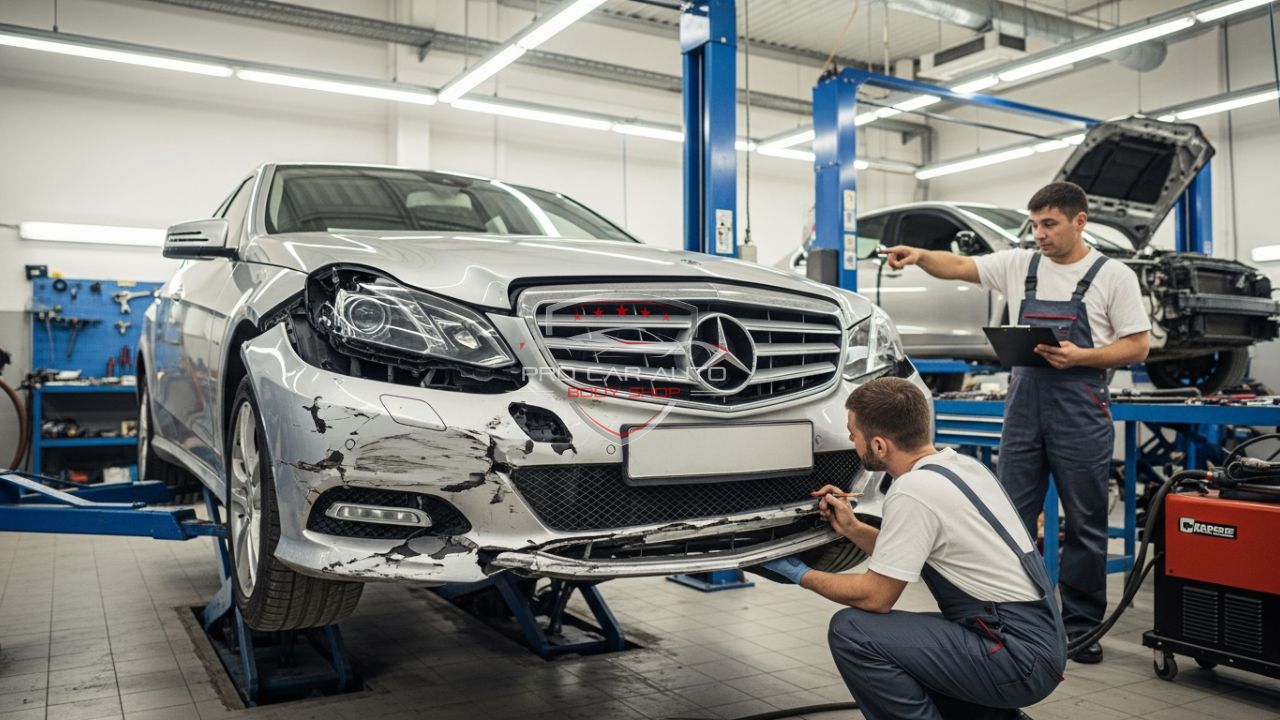
While insurance may cover collision repair, the quality and completeness of coverage often depend on the repair facility handling the claim. Shops that prioritize documentation, inspection accuracy, and insurer communication achieve more complete repair approvals.
You are not required to use an insurance-recommended shop. Choosing a qualified collision repair facility helps ensure:
- No critical repairs are skipped
- Safety systems are restored correctly
- Structural integrity is maintained
Insurance Coordination Helps Prevent Claim Delays
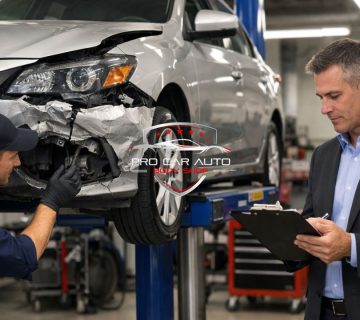
A professional auto body shop works directly with insurance adjusters to:
- Clarify repair scope
- Support required procedures
- Manage supplements efficiently
- Keep the repair process moving
This coordination reduces stress for vehicle owners and avoids unnecessary claim setbacks.
Local Collision Repair Insurance Support You Can Trust
Drivers throughout South Florida rely on Pro Car Auto Body Shop for insurance-compatible collision repair, accurate damage estimates, and professional claim coordination. Our focus is on proper repairs supported by clear documentation—not shortcuts or incomplete fixes.
📞 Call Now: (561) 372-4547
📧 Email: info@procarautobodyshop.com
📍 1705 Dixie Hwy, Pompano Beach, FL 33060
Final Answer: Does Insurance Cover Collision Repair?
Yes—insurance can cover collision repair when the appropriate coverage is in place. However, coverage alone does not guarantee complete or correct repairs. Professional inspection, detailed documentation, and proper insurance coordination are essential to ensure your vehicle is restored safely and accurately.
Collision repair should never be rushed or minimized. The right repair process protects your safety, your vehicle’s value, and your long-term peace of mind.
No comment