Insurance Claim Auto Body Repair for New Cars
When a new car is involved in an accident, the insurance claim auto body repair process becomes significantly more sensitive and technical than many drivers expect. New vehicles are manufactured with advanced safety technology, lightweight structural materials, and tightly controlled factory repair standards. Even a minor collision can affect critical systems beneath the surface, making professional insurance-backed repair essential.
Insurance coverage alone does not ensure your new vehicle will be repaired correctly. What truly determines the outcome is how accurately the damage is identified, how the claim is documented, and whether the repair process follows manufacturer-approved procedures from start to finish.
Why New Cars Require a Different Insurance Repair Approach?
Modern vehicles are designed with precision engineering. Manufacturers build new cars to absorb impact energy in very specific ways, protecting occupants while maintaining structural integrity. After an accident, restoring a new vehicle is not just about replacing panels or repainting surfaces—it is about restoring the vehicle’s original crash performance, safety systems, and driving dynamics.
Because of this, insurance repairs for new cars often involve deeper inspections, more detailed documentation, and a higher standard of workmanship. Repairs that are rushed or incomplete may look acceptable on the outside but can compromise safety systems and long-term reliability.
Insurance Estimates Often Do Not Reflect the Full Damage
Most insurance claims begin with an initial estimate created before the vehicle is fully inspected or disassembled. These early estimates are designed to start the claim process, not to define the final repair scope. For new cars, this often means important damage is overlooked.
Structural stress, alignment changes, sensor displacement, and electronic issues may not be visible during a surface inspection. Until the vehicle is properly evaluated by a professional auto body shop, the insurance estimate remains incomplete. This is why new-car insurance repairs frequently require additional documentation once repairs begin.
Manufacturer Repair Standards Must Be Followed
Every new vehicle manufacturer publishes specific repair procedures that define exactly how collision repairs must be performed. These standards are developed through extensive testing to ensure the vehicle performs correctly in future accidents. Repairs that do not follow these guidelines can compromise occupant safety and, in some cases, affect warranty coverage.
Insurance companies increasingly rely on documentation that supports manufacturer-required procedures. When repairs are handled professionally, insurance approvals align with these standards rather than reducing repairs to the lowest acceptable level.
Hidden Damage Is Common in New-Car Accidents
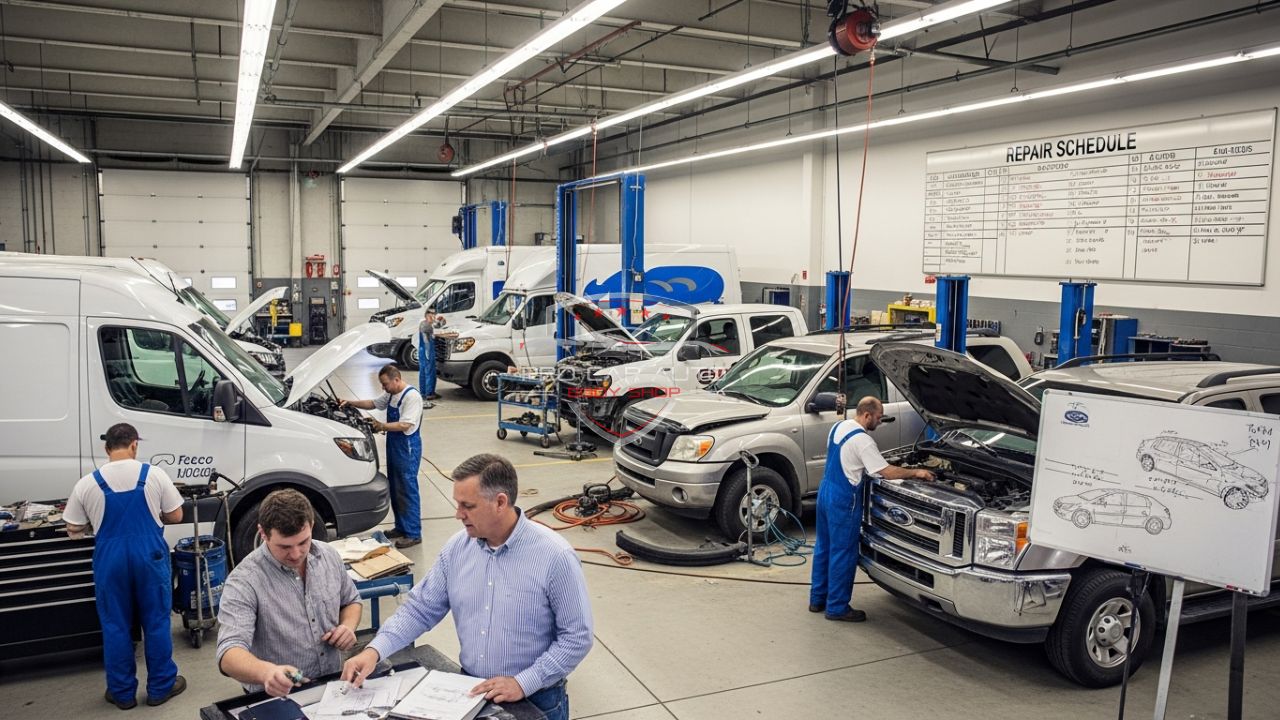
Modern vehicles are engineered to distribute impact forces across multiple areas of the structure. As a result, damage often extends beyond the visible impact zone. Even low-speed collisions can affect mounting points, internal panels, and safety system alignment.
This type of damage typically becomes apparent only after partial disassembly. When additional damage is discovered, updated repair documentation is submitted to the insurance company to ensure all necessary repairs are approved. This is a normal and essential part of repairing a new vehicle correctly.
Advanced Safety Systems Require Post-Repair Calibration
Most new cars are equipped with advanced driver-assistance systems that rely on cameras, radar, and sensors to function correctly. After a collision, these systems must be recalibrated to factory specifications. Without proper calibration, safety features may not operate as designed—even if no warning lights are visible.
Professional insurance repair for new cars includes diagnostic scanning and calibration as part of the restoration process. These steps are critical for ensuring the vehicle is safe to drive and fully functional after repairs are completed.
Parts Selection Plays a Major Role in Repair Quality
New vehicles are engineered to work with factory-approved components. Proper fit, strength, and performance depend on parts that meet manufacturer specifications. Insurance claim repairs for new cars often involve documentation that supports the use of correct replacement parts to maintain safety and long-term durability.
Using improper or low-quality parts can lead to fitment issues, premature wear, and reduced vehicle value. Proper insurance handling helps ensure the vehicle is restored as closely as possible to its pre-accident condition.

Insurance Coverage Is Based on Evidence, Not Assumptions
Insurance policies do cover collision repair for new vehicles, but coverage decisions depend on clear documentation. Accurate inspections, detailed repair logic, and manufacturer-supported procedures all play a role in securing proper approval.
When insurance claims are managed professionally, coverage supports complete repairs rather than surface-level fixes. This approach protects the vehicle and prevents future issues related to incomplete restoration.
The Importance of Choosing the Right Auto Body Shop
Not every auto body shop is equipped to repair new vehicles correctly. New-car insurance repairs require up-to-date training, advanced diagnostic tools, and experience working with modern vehicle systems. The repair facility you choose directly affects safety, quality, and long-term reliability.
A professional shop manages both the technical repair process and the insurance communication, ensuring nothing is overlooked and no critical procedures are skipped.
Insurance Claim Support for New Cars in Pompano Beach
Drivers throughout South Florida rely on Pro Car Auto Body Shop for insurance claim auto body repair for new cars. Our approach is centered on accurate inspections, manufacturer-approved repair procedures, and insurance-compatible documentation that supports proper repairs—not shortcuts.
📞 Call Now: (561) 372-4547
📧 Email: info@procarautobodyshop.com
📍 1705 Dixie Hwy, Pompano Beach, FL 33060
Final Thoughts
Insurance claim auto body repair for new cars is about more than restoring appearance. It is about protecting safety systems, preserving vehicle value, and ensuring long-term performance. New vehicles require higher repair standards, detailed documentation, and professional insurance handling to be repaired correctly.
When the repair process is handled properly, insurance coverage supports full restoration—allowing your new car to be returned safely and confidently to the road.
No comment