Insurance Claim Repair for Older Vehicles
Insurance claim repair for older vehicles requires a careful, experience-driven approach that balances safety, vehicle condition, and insurance requirements. Unlike newer cars, older vehicles often come with years of wear, previous repairs, and aging components that can complicate the insurance claim process. After an accident, many owners worry that insurance will not approve proper repairs or that the vehicle will automatically be pushed toward a total loss decision.
In reality, older vehicles can still be repaired correctly through insurance when the damage is inspected accurately and documented professionally. The most important factor is not the age of the vehicle, but how clearly accident-related damage is identified and justified during the insurance claim process.
Why Insurance Claims for Older Vehicles Are Reviewed More Closely?
Insurance companies typically review claims for older vehicles with additional scrutiny because age affects market value and repair economics. Adjusters are trained to distinguish between damage caused by the accident and conditions that existed beforehand, such as corrosion, worn components, or prior bodywork. This extra review process can sometimes feel discouraging for vehicle owners, but it does not mean repairs will be denied.
What it does mean is that older vehicles require stronger inspection documentation and clearer repair explanations. When collision damage is properly supported with evidence, insurance approvals are more accurate and fair, regardless of vehicle age.
Initial Insurance Estimates Often Underscope Older Vehicle Damage
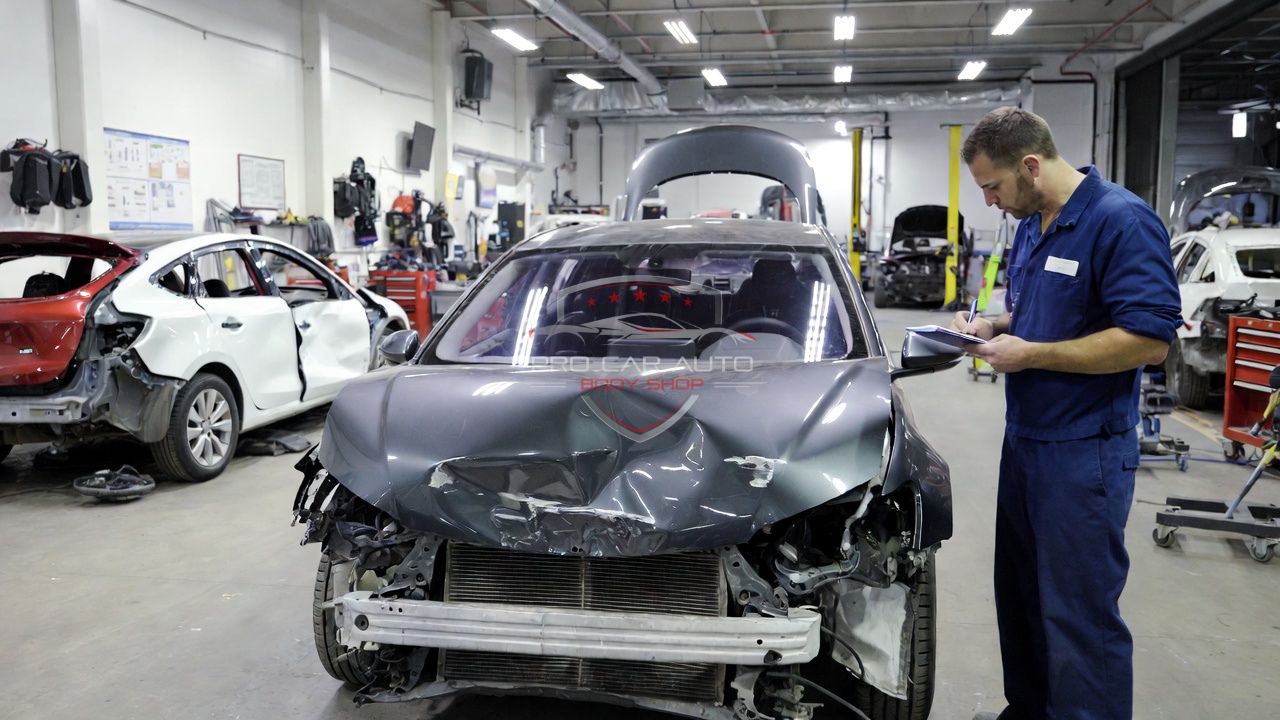
For older vehicles, initial insurance estimates are frequently conservative. These estimates are often written quickly and focus only on visible exterior damage, especially when the vehicle already shows cosmetic wear. Structural movement, alignment shifts, and hidden impact stress are commonly overlooked at this stage.
Because of this, the first insurance estimate should never be considered the final repair plan. A professional auto body inspection is required to uncover damage that is not immediately visible and to ensure the insurance claim reflects what the accident actually caused.
Separating Collision Damage From Normal Wear Is Essential
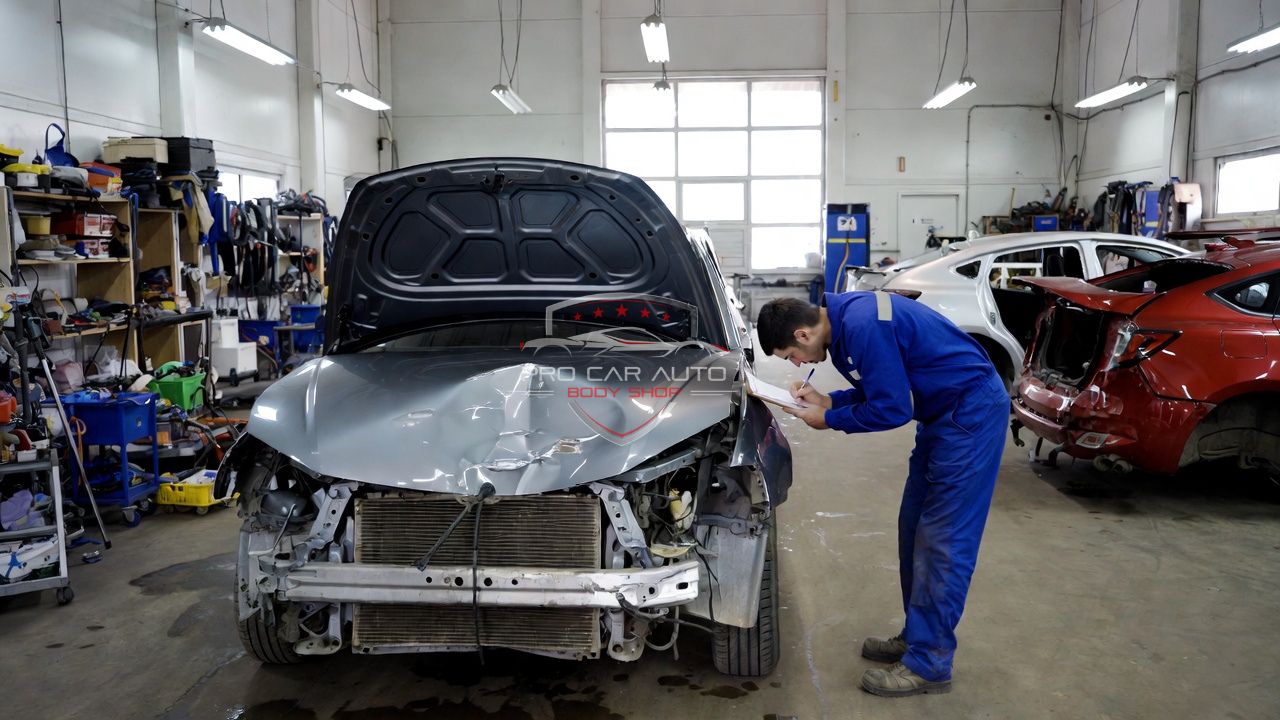
One of the most critical parts of insurance claim repair for older vehicles is clearly separating accident damage from normal wear and tear. Insurance policies cover damage caused by the collision, but they do not cover deterioration related to age, mileage, or prior use.
This distinction requires experience. A professional repair facility evaluates impact direction, deformation patterns, and stress points to demonstrate which damage is directly related to the accident. When this separation is documented properly, insurance approvals are more precise and disputes are reduced.
Hidden Damage Is Still a Serious Concern in Older Cars
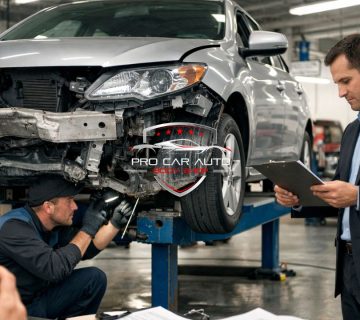
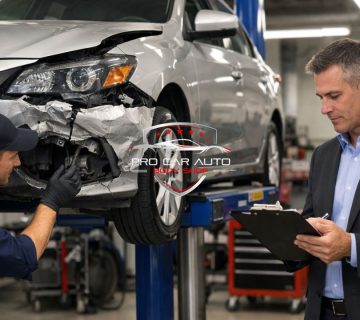
Although older vehicles may not have complex electronics, collision forces still travel through the structure and can affect components well beyond the visible impact area. Bent brackets, shifted panels, suspension stress, and alignment issues are common findings once the vehicle is partially disassembled.
This type of damage is rarely identified during surface inspections. Discovering it later is normal and expected, which is why additional documentation during the repair process is often necessary to complete the insurance claim correctly.
Structural Integrity and Alignment Still Matter
Even for older or high-mileage vehicles, proper structural alignment is essential for safe operation. A vehicle that is cosmetically repaired but structurally misaligned may suffer from steering pull, uneven tire wear, braking instability, or unpredictable handling.
Insurance claim repairs for older vehicles should always prioritize drivability and safety, not just appearance. Restoring structural integrity ensures the vehicle remains reliable for everyday use.
Parts Availability Adds Complexity to Older Vehicle Repairs
As vehicles age, certain replacement parts may become discontinued or limited in availability. Insurance companies are aware of these challenges and factor parts sourcing into repair decisions. Depending on the vehicle, parts may need to be sourced through aftermarket suppliers or recycled components.
Professional auto body shops document parts availability clearly so repairs remain insurance-compliant while still meeting safety requirements. Proper documentation helps avoid unnecessary claim delays or misunderstandings related to parts sourcing.
Total Loss Evaluations Must Be Based on Accurate Data
Older vehicles are more likely to be evaluated for total loss because repair costs are compared against the vehicle’s actual cash value. However, total loss decisions should always be based on accurate repair estimates, not incomplete inspections or assumptions tied to age alone.
Clear documentation ensures that insurance companies make informed decisions based on real damage rather than surface-level observations. This protects vehicle owners from unfair or premature total loss determinations.
Repair Quality Is Just as Important for Older Vehicles
An older vehicle still needs to be safe, stable, and dependable after a collision. Poor-quality repairs can lead to long-term issues such as suspension wear, alignment problems, and compromised crash protection. These problems may not be obvious immediately but can affect safety over time.
Professional insurance claim repair focuses on restoring functionality and reliability, allowing older vehicles to continue operating safely.
Insurance Communication Is Often More Involved
Insurance claims for older vehicles frequently involve additional back-and-forth between the repair facility and the insurance company. Questions about condition, value, and repair necessity are common. Without professional handling, this communication can become confusing or lead to unnecessary delays.
Experienced auto body shops manage this process by providing clear explanations, consistent documentation, and timely updates to insurers, helping keep the claim moving forward smoothly.
Professional Claim Handling Makes the Difference
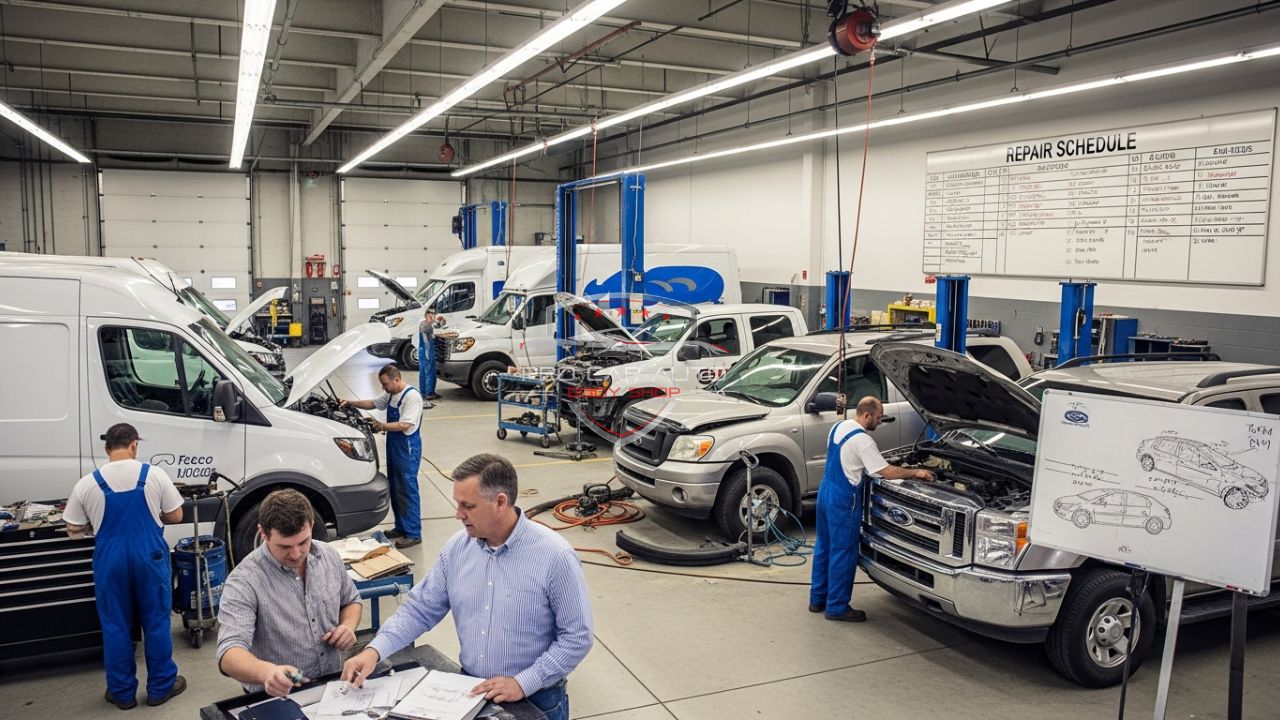
Insurance claim repair for older vehicles is most successful when it is handled in an organized, evidence-based manner. Professional claim handling ensures that accident damage is properly documented, repairs are justified on safety grounds, and insurance approvals reflect actual repair needs rather than assumptions.
This approach protects both the vehicle owner and the long-term usability of the car.
Insurance Claim Repair for Older Vehicles in Pompano Beach
Drivers throughout South Florida rely on Pro Car Auto Body Shop for insurance claim repair for older vehicles. Our process is focused on accurate inspections, transparent documentation, and insurance-compatible repair solutions that prioritize safety, reliability, and fairness.
📞 Call Now: (561) 372-4547
📧 Email: info@procarautobodyshop.com
📍 1705 Dixie Hwy, Pompano Beach, FL 33060
Final Thoughts
Insurance claim repair for older vehicles is not about cutting corners—it is about restoring safety while navigating insurance requirements responsibly. Vehicle age alone should never determine repair quality or care. What matters is clear inspection, proper documentation, and professional claim coordination.
When handled correctly, older vehicles can continue to provide safe, dependable transportation long after an accident, giving owners confidence and peace of mind.
No comment