
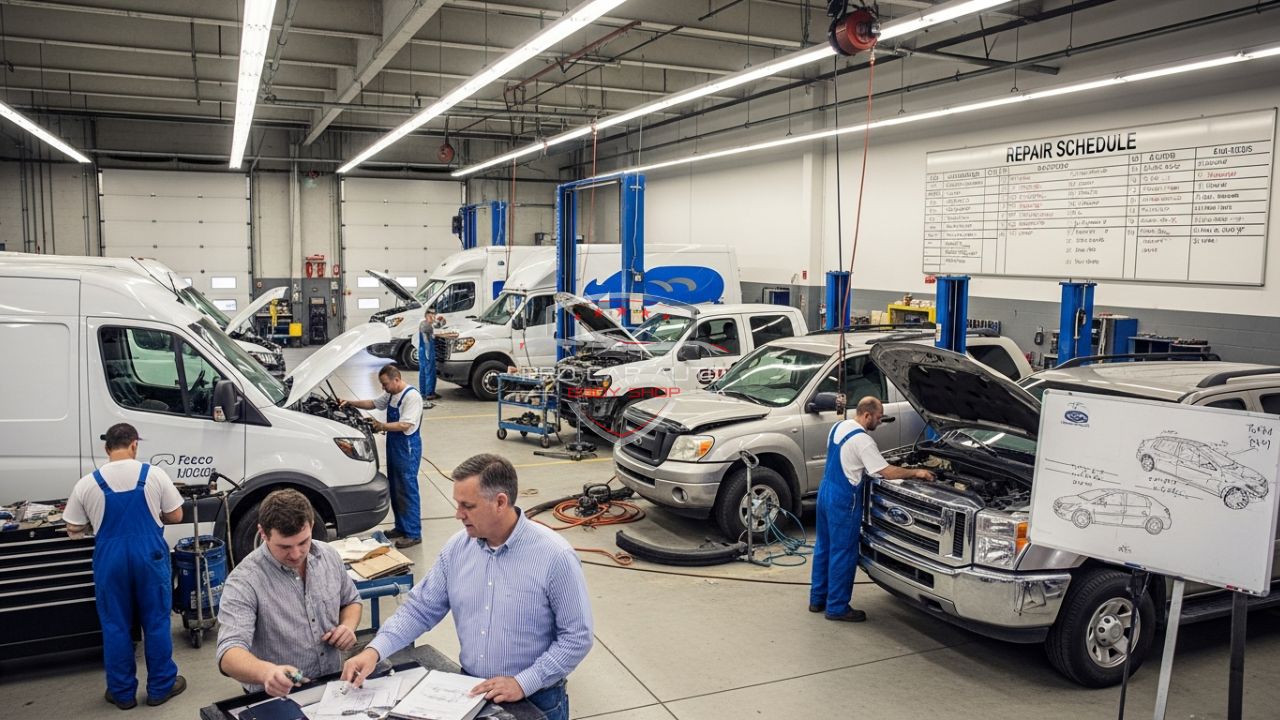
How to File a Car Insurance Claim After an Accident?
Filing a car insurance claim after an accident is not just a routine task—it is the foundation of everything that happens next, from repair approvals to how safely your vehicle is restored. Many vehicle owners believe that once they notify their insurance company, the claim process will run smoothly on its own. In reality, the way the claim is filed, documented, and managed has a direct impact on repair quality, timelines, and overall stress levels. Small mistakes early in the process can lead to delays, underpaid claims, or incomplete repairs that cause problems long after the accident.
After an accident, drivers are often overwhelmed by the situation itself—dealing with vehicle damage, transportation issues, and insurance communication all at once. Insurance companies rely on documentation, inspection results, and professional repair justification, not assumptions or surface-level information. Understanding how the claim process works allows you to avoid common problems and ensures that accident-related damage is fully recognized and properly repaired.
Opening the Insurance Claim Is More Important Than Most People Realize
Opening the insurance claim sets the tone for the entire repair process. The moment a claim is opened, a permanent record is created that insurance adjusters will rely on throughout the life of the claim. This record includes the accident description, damage notes, and claim timeline, all of which influence how the insurer evaluates coverage and repair responsibility. Delays in opening the claim can raise questions about when damage occurred or whether it is directly related to the accident.
When a claim is opened promptly, insurance companies can assign an adjuster quickly and begin the evaluation process while details are still clear. The accuracy of the initial information matters because it becomes the reference point for inspections, estimates, and approvals. A well-documented claim from the beginning helps prevent confusion, repeated requests for clarification, and unnecessary slowdowns later in the process.
Accident Details Shape How Insurance Views the Damage
Insurance companies do not rely on assumptions when approving repairs. They analyze accident details, damage patterns, and repair logic to determine whether specific damage is covered. This means that the way an accident is described—where the impact occurred, how the vehicles were positioned, and the type of collision involved—directly affects how damage is interpreted.
When accident details align with the physical damage found during inspection, claims move forward more smoothly. When information is unclear or inconsistent, insurers may slow approvals while seeking clarification. Clear, factual descriptions help ensure that all accident-related damage is evaluated fairly and accurately.

Why the Initial Insurance Estimate Is Never the Full Story
One of the most common misunderstandings in the insurance claim process is the belief that the initial estimate represents the full cost of repair. In reality, this estimate is only a preliminary assessment designed to start the claim. It is often written before the vehicle is fully inspected or disassembled and typically includes only visible damage.
Modern vehicles are complex, and collision forces often affect areas beneath the surface. Structural components, alignment points, and internal systems may be impacted even when exterior damage appears minor. Because of this, the initial estimate should be viewed as a starting point, not a final repair plan.
Professional Inspection Reveals Damage Insurance Photos Cannot
Insurance photos and quick visual checks are limited. They cannot show how deeply an impact affected the vehicle’s structure or whether critical components shifted during the collision. A professional inspection by an experienced auto body shop allows technicians to evaluate the vehicle beyond surface damage and identify issues that affect safety and drivability.
Once the vehicle is partially disassembled, hidden damage often becomes visible. This may include bent brackets, distorted mounting points, misalignment, or internal stress that could compromise long-term reliability. Identifying this damage early ensures it is documented properly and included in the insurance claim.
Why Insurance Claims Are Commonly Updated During Repairs?
Many drivers are concerned when their insurance claim changes after repairs begin, but this is a normal and expected part of the process. Collision repairs are investigative by nature. As damaged components are removed, additional accident-related damage often appears.
Insurance companies allow claims to be updated when new damage is supported by documentation. This process ensures repairs are based on the vehicle’s true condition rather than assumptions made during a surface inspection. Without this step, vehicles may be returned with unresolved issues that affect safety, alignment, or performance.
Choosing the Repair Shop Has a Direct Impact on the Claim
After filing an insurance claim, vehicle owners have the right to choose where their car is repaired. This decision plays a major role in how the claim progresses. A professional auto body shop understands how to inspect damage thoroughly, document findings accurately, and communicate with insurance adjusters using repair logic they recognize.
An experienced repair facility ensures that insurance approvals are based on proper repair standards rather than shortcuts. This protects the vehicle from incomplete repairs and helps maintain long-term reliability and value.
Insurance Communication Continues Throughout the Repair Process
An insurance claim does not stop once an estimate is approved. Throughout the repair process, communication continues between the repair shop and the insurance company. Questions may arise regarding repair methods, parts selection, or additional damage discovered during disassembly.
When this communication is handled professionally, repairs move forward without unnecessary delays. Clear explanations, supporting documentation, and timely responses help prevent repeated back-and-forth that can extend repair timelines.

Closing the Claim Is the Final Quality Check
An insurance claim remains open until all repairs are completed and documented. Final inspections, quality checks, and confirmation of completed work are essential steps in closing the claim properly. This ensures that all approved repairs were performed and that the vehicle is safe to return to the road.
Closing the claim correctly protects both the vehicle owner and the insurance company by confirming that the repair process met required standards and that no necessary work was overlooked.
Professional Support Makes the Process Easier and More Reliable
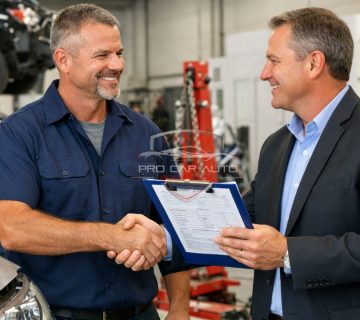
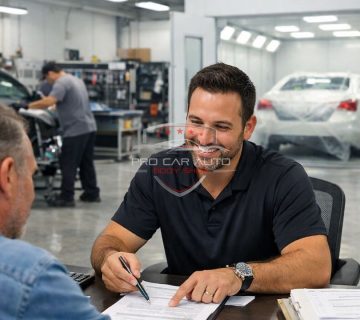
For many drivers, navigating the insurance claim process alone can feel overwhelming. Professional auto body repair facilities simplify this process by managing inspections, documentation, and insurance communication on the vehicle owner’s behalf. This support reduces stress and helps ensure the claim supports full and proper repairs.
When professional support is involved, claims are less likely to experience delays, underpayment, or incomplete approvals.
Insurance Claim Assistance in Pompano Beach
Drivers throughout South Florida trust Pro Car Auto Body Shop for professional insurance claim auto body repair assistance. Our process focuses on detailed inspections, clear documentation, and insurance-compatible coordination that helps claims move smoothly from the first report through final repair completion.
📞 Call Now: (561) 372-4547
📧 Email: info@procarautobodyshop.com
📍 1705 Dixie Hwy, Pompano Beach, FL 33060
Final Thoughts
Filing a car insurance claim after an accident is not a single action—it is a structured process that determines how well your vehicle is repaired and how smoothly everything moves forward. Clear reporting, thorough inspection, and professional insurance coordination all work together to ensure that accident damage is fully addressed.
When the claim process is handled correctly from start to finish, insurance coverage does exactly what it is meant to do—support safe, complete repairs and give drivers confidence after an accident

No comment