
Insurance Claim Follow-Up After Inspection
Insurance claim follow-up after inspection is one of the most critical and often overlooked stages of the auto insurance repair process. Many vehicle owners assume that once an insurance inspection is completed, the claim will automatically move forward toward repair approval. In reality, the inspection itself is only a snapshot in time. What truly determines the success of the claim is how the inspection findings are reviewed, clarified, and followed up with the insurance company afterward.
Without proper follow-up, inspection results can sit in review queues, be misunderstood, or be interpreted too narrowly. This can lead to partial approvals, delayed repairs, or important damage being excluded from the claim. Effective follow-up ensures that inspection findings are fully acknowledged, correctly interpreted, and converted into approved repair actions rather than unresolved notes in a claim file.
Why Insurance Claim Follow-Up Is Essential After an Inspection
Insurance inspections are often conducted under time constraints. Adjusters may rely on surface-level observations, photos, or limited access to vehicle components. While inspections are necessary to move a claim forward, they are rarely comprehensive enough to capture the full impact of a collision—especially when damage extends beneath panels or into structural areas.
Claim follow-up exists to bridge this gap. It ensures that damage identified during inspection is not only recorded but also understood in terms of repair impact, safety implications, and long-term reliability. Without follow-up, insurance companies may assume that inspection findings require minimal repairs, even when deeper issues exist.
What Happens After an Insurance Inspection Is Completed
After an inspection, the insurance company reviews the adjuster’s notes, photos, and any preliminary estimates created during the inspection. This internal review process determines what the insurer believes is necessary to repair the vehicle. However, this review is often administrative rather than technical, meaning decisions may be made without full understanding of repair complexity.
At this stage, insurance companies may pause the claim while they wait for additional information or clarification. Without active follow-up, this pause can turn into a delay that prevents repairs from moving forward. Proper follow-up keeps the claim active and ensures inspection findings are reviewed with the correct technical context.
Inspection Findings Often Require Detailed Explanation
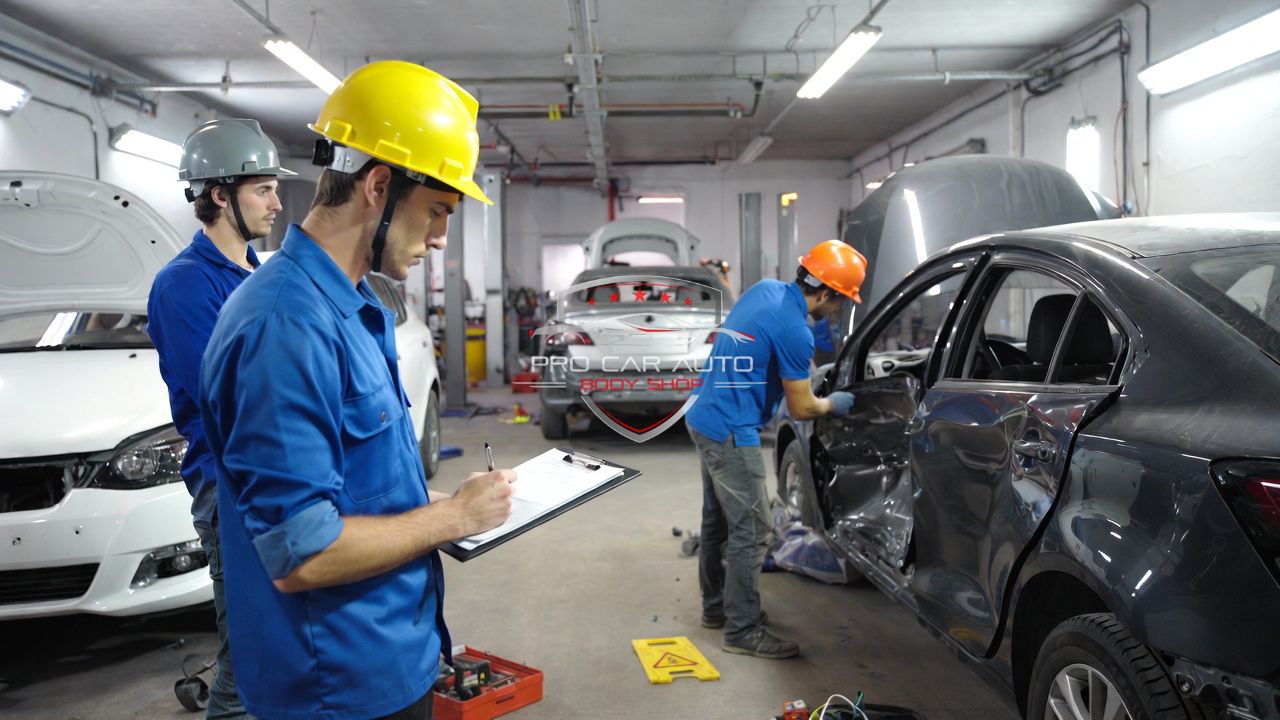
An insurance inspection may identify damage, but it does not always explain why that damage matters or how it affects the repair process. For example, an inspection might note a damaged rear panel without addressing what lies behind it, such as reinforcements, mounting points, or alignment-sensitive components.
Claim follow-up provides this missing explanation. It translates inspection observations into repair logic that insurance companies can understand and approve. This step is essential to prevent inspection findings from being treated as cosmetic rather than structural or safety-related.
Hidden Damage Is Commonly Addressed During Follow-Up
One of the primary purposes of claim follow-up after inspection is to address hidden damage. Many serious collision-related issues are not visible during an initial inspection and only become clear after closer evaluation or partial disassembly. These issues may include structural stress, alignment problems, suspension impact, or internal component damage.
Follow-up ensures that any hidden damage identified after inspection is documented properly and presented to the insurance company for review. Without this step, repairs may be limited to visible damage, leaving critical safety or performance issues unresolved.
Follow-Up Prevents Repair Delays and Claim Stagnation
Insurance claims often stall after inspection because insurers are waiting for clarification, additional photos, or updated explanations. Meanwhile, repair facilities may be waiting for approval to proceed. This lack of coordination can leave vehicles sitting unrepaired for extended periods.
Consistent and professional follow-up prevents this stagnation. By responding promptly to insurer questions and providing clear documentation, the claim continues moving forward instead of remaining stuck in review. This reduces overall repair time and minimizes frustration for vehicle owners.
Documentation Is the Core of Effective Claim Follow-Up
Insurance companies make approval decisions based on documentation, not verbal conversations. Effective follow-up includes updated estimates, supporting photos, repair explanations, and justification for any additional work identified after inspection. This documentation connects inspection findings directly to repair needs.
When documentation is clear and thorough, insurance companies are far more likely to approve repairs without further delay. Incomplete or unclear follow-up documentation often leads to partial approvals or repeated inspection requests.
Ongoing Communication With the Insurance Company Matters
Insurance claim follow-up is rarely a one-time action. It often involves ongoing communication as insurers review information, ask questions, or request clarification. Without professional handling, this communication can become disorganized or delayed, slowing the claim process.
Proper follow-up keeps communication active, organized, and focused. Timely responses ensure that insurers have what they need to make decisions, keeping the claim progressing toward repair approval.
Follow-Up Protects Repair Quality and Vehicle Safety
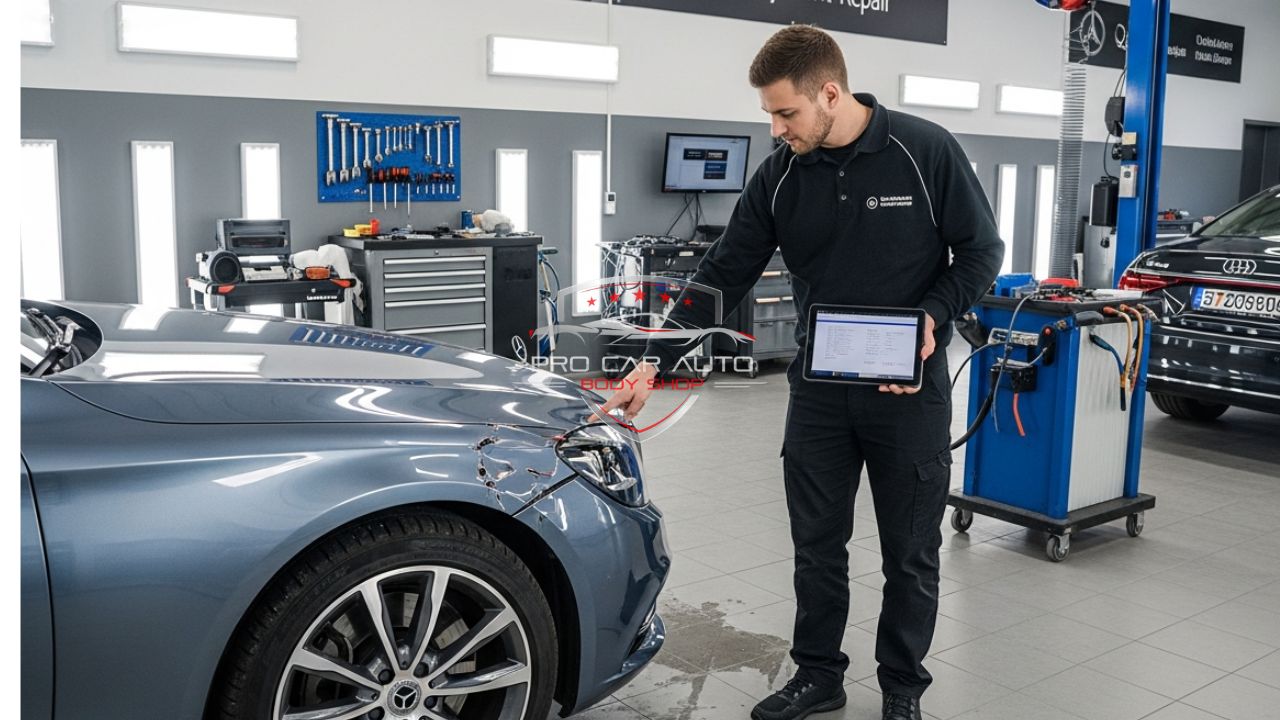
When inspection findings are not followed up properly, repairs may be approved only partially. This can force repair facilities to work around limitations or delay critical operations while waiting for additional approval. In some cases, incomplete approvals can result in repairs that restore appearance but not safety or structural integrity.
Insurance claim follow-up ensures that inspection findings are fully incorporated into the final repair plan. This protects repair quality, vehicle safety, and long-term reliability.
Insurance Claim Follow-Up After Inspection in Pompano Beach
Vehicle owners across South Florida rely on Pro Car Auto Body Shop for professional insurance claim follow-up after inspection. Our approach focuses on detailed documentation, clear communication, and insurance-compatible coordination to ensure inspection findings lead to proper repair approvals—not delays or partial fixes.
📞 Call Now: (561) 372-4547
📧 Email: info@procarautobodyshop.com
📍 1705 Dixie Hwy, Pompano Beach, FL 33060
Final Thoughts
Insurance claim follow-up after inspection is not a minor administrative step—it is the phase that determines whether inspection findings result in real repair approvals. Inspections identify damage, but follow-up ensures that damage is understood, documented, and approved correctly.
When follow-up is handled professionally, insurance claims move forward efficiently, repairs are completed properly, and vehicles are restored safely. Clear documentation and consistent communication turn inspection results into successful claim outcomes.

No comment