How to Deal With an Insurance Adjuster After an Accident?
Dealing with an insurance adjuster after an accident can be one of the most stressful parts of the entire repair process. After a collision, most drivers are focused on vehicle damage, transportation issues, and getting life back to normal. At the same time, insurance adjusters begin reviewing the claim, asking questions, and forming opinions about damage and coverage. How this interaction is handled can directly affect repair approvals, timelines, and whether all accident-related damage is addressed properly.
Many people assume the insurance adjuster is there to manage repairs from start to finish. In reality, the adjuster’s role is limited to evaluating damage and determining what the insurance company is willing to approve based on available information. This means that the adjuster’s understanding of the damage depends heavily on what is documented, how clearly it is explained, and whether proper follow-up occurs after inspections. Knowing this helps vehicle owners avoid misunderstandings and unrealistic expectations.
Understanding the Adjuster’s Perspective After an Accident
Insurance adjusters handle a high volume of claims and work within strict guidelines set by insurance companies. Their evaluations are typically based on photos, brief inspections, and written reports rather than in-depth repair analysis. Because of these limitations, adjusters often see only a portion of the damage during the early stages of a claim.
This does not mean the adjuster is intentionally overlooking damage. It means their role is administrative and policy-based, not repair-based. Understanding this distinction is important because it explains why many repairs are not approved immediately and why additional documentation is often required before full repair authorization is granted.
Communicating With an Adjuster Requires Precision and Consistency
Communication with an insurance adjuster should always be clear, factual, and consistent. Adjusters document everything discussed, and those records become part of the official claim file. Even small inconsistencies in how an accident is described can raise questions that slow the claim process or require additional review.
It is important to remember that adjusters rely more on documentation than conversation. Clear written information supported by inspection findings carries far more weight than verbal explanations alone. Consistent communication helps ensure the adjuster’s understanding of the accident aligns with the actual damage discovered during professional inspection.
Why the Adjuster’s First Estimate Is Rarely Complete
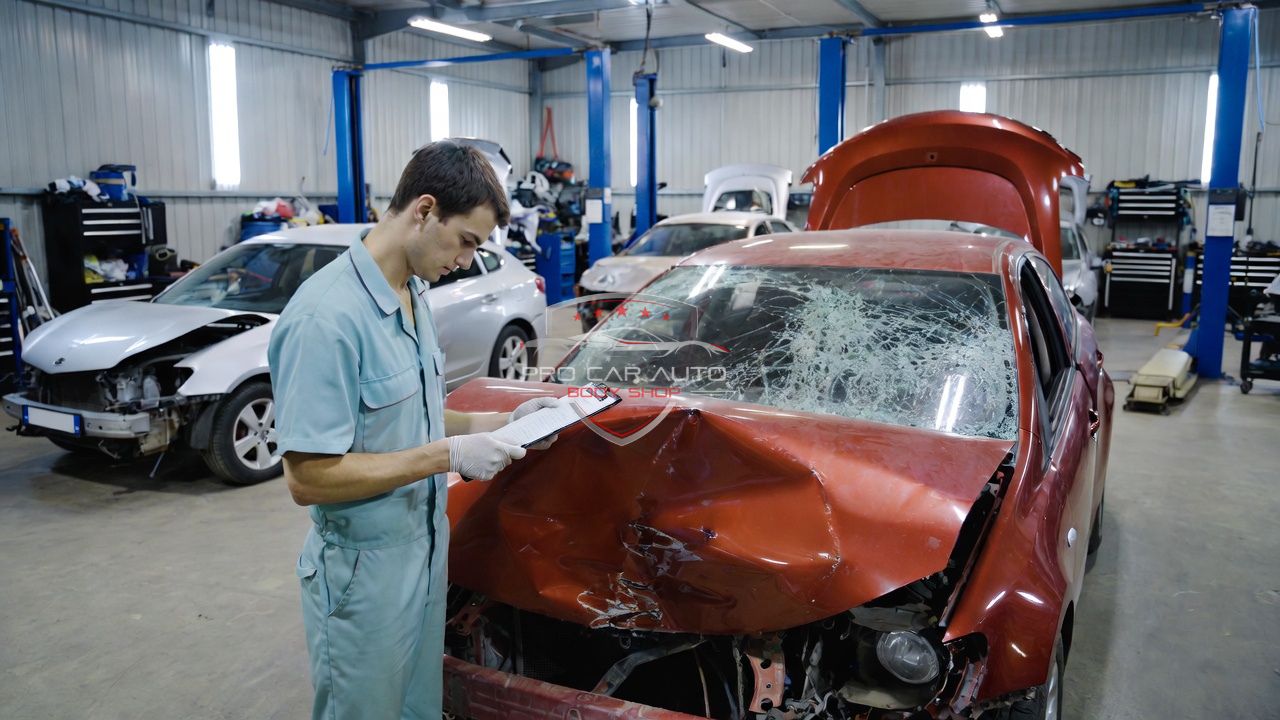
Many vehicle owners are surprised or frustrated when the adjuster’s initial estimate does not cover all repairs. This happens because initial estimates are usually written before the vehicle is fully inspected or disassembled. These estimates are designed to start the claim process, not to finalize repair costs.
Damage hidden behind panels, bumpers, or structural components often cannot be identified during a surface-level review. In modern vehicles, even low-speed accidents can affect alignment, sensors, mounting points, and internal reinforcements. Expecting the first estimate to include everything often leads to confusion and unnecessary frustration.
Professional Inspections Provide the Information Adjusters Need
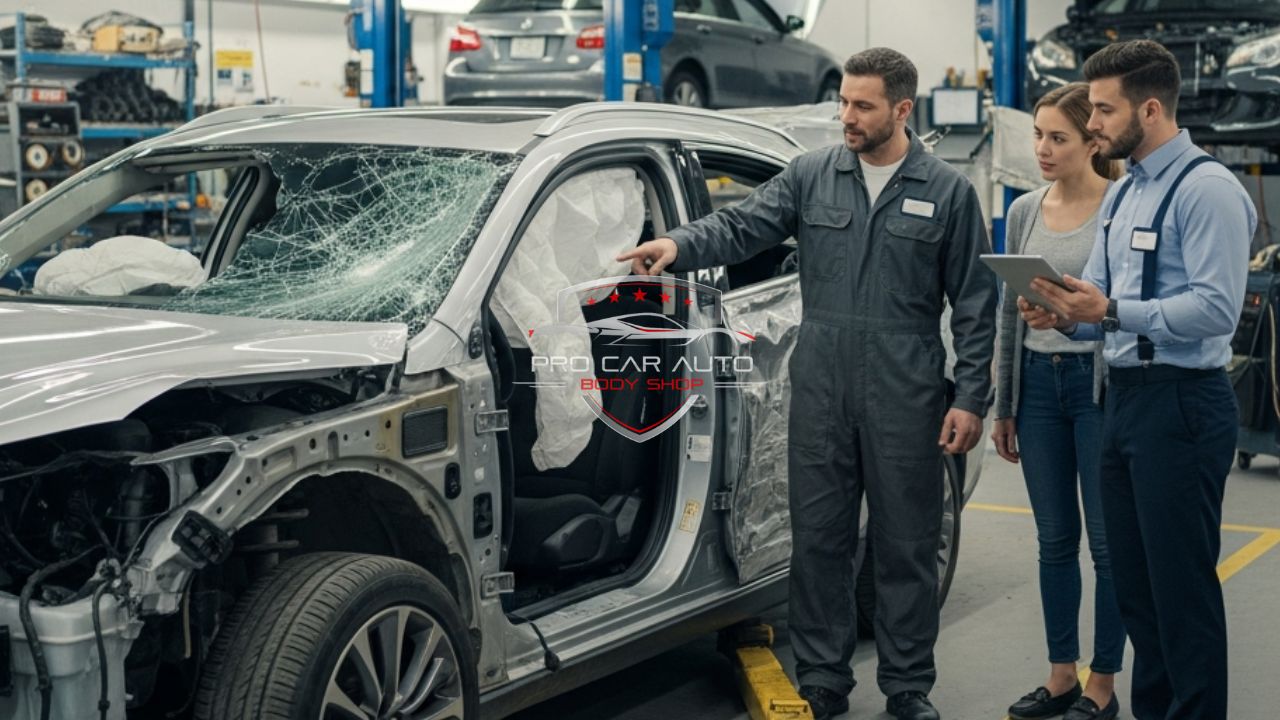
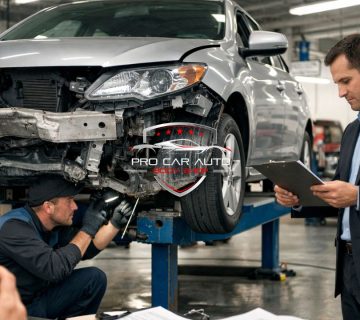
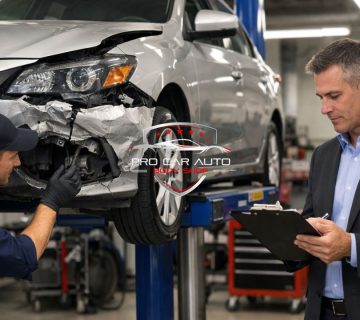
An insurance adjuster’s evaluation alone is not enough to determine full repair needs. A professional auto body inspection provides a much deeper analysis of how the accident affected the vehicle. This inspection examines structural integrity, safety systems, and areas that cannot be seen during a quick walk-around.
When professional inspection findings are shared with the insurance company, they provide context that adjusters need to approve additional repairs. Without this information, claims often remain limited to cosmetic damage rather than addressing safety and performance concerns.
Follow-Up Is What Turns Inspection Findings Into Approvals
One of the most overlooked aspects of dealing with an insurance adjuster is follow-up. Adjusters manage many claims simultaneously, and inspection results do not automatically lead to approval unless they are reviewed, clarified, and supported with documentation.
Consistent follow-up ensures that inspection findings are not overlooked or misunderstood. It keeps the claim active and helps the adjuster move from preliminary evaluation to full repair authorization. Without follow-up, claims can stall indefinitely after the initial inspection.
Documentation Is the Adjuster’s Primary Decision Tool
Insurance adjusters make decisions based on documentation, not assumptions. Photos, inspection reports, repair explanations, and written justifications are what determine whether repairs are approved. Verbal explanations without supporting evidence rarely move a claim forward.
Well-organized documentation helps adjusters understand why certain repairs are necessary and how they relate directly to the accident. This clarity reduces delays, minimizes disputes, and helps ensure repairs are approved correctly.
Avoiding Common Mistakes When Working With Adjusters
A common mistake is assuming the adjuster’s job is finished after the first inspection. Another is expecting missing repairs to be added automatically without follow-up. These assumptions often lead to incomplete approvals and extended repair timelines.
Understanding that the insurance claim is an evolving process helps prevent these issues. Adjuster communication continues throughout repairs, especially when additional damage is discovered. Staying engaged and supported ensures the claim reflects the vehicle’s true repair needs.
Why Professional Support Improves Adjuster Communication?
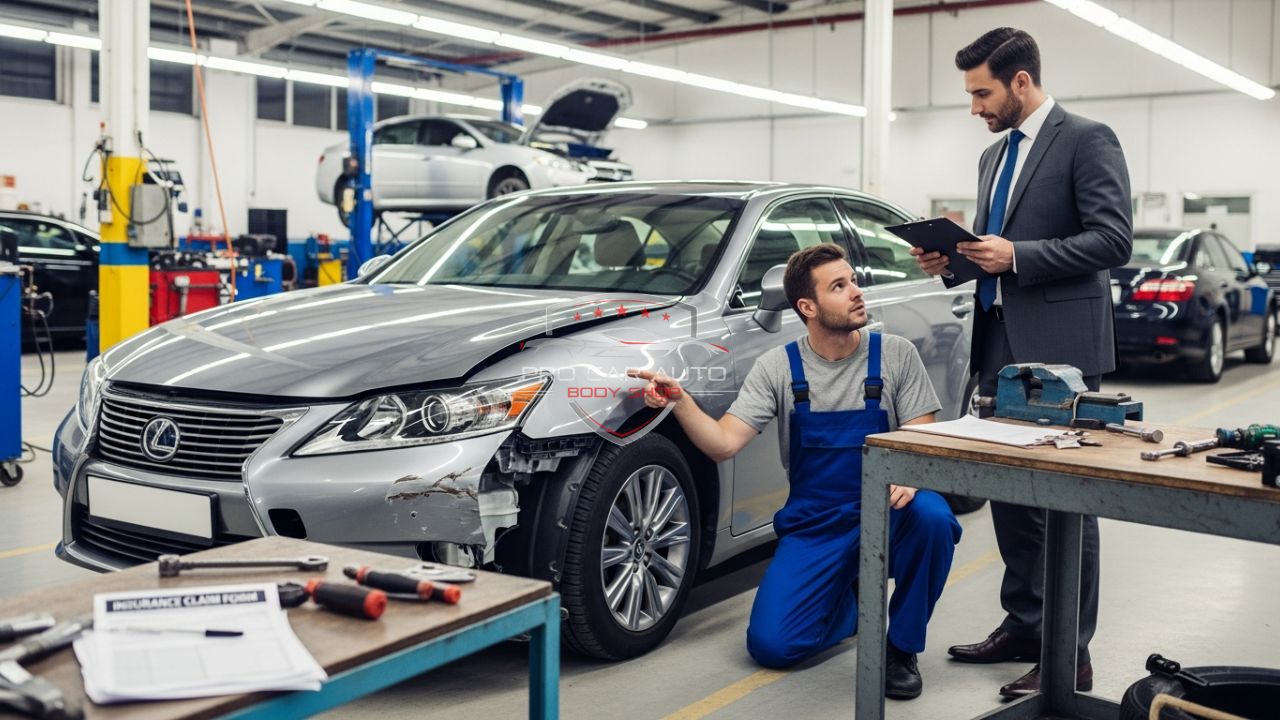
For most drivers, managing adjuster communication can be stressful and time-consuming. Professional auto body shops help by handling inspections, documentation, and adjuster coordination on the vehicle owner’s behalf. This ensures that adjusters receive accurate, complete information presented in a way they recognize and approve.
Professional involvement reduces misunderstandings and helps ensure approvals are based on proper repair standards rather than minimal estimates.
Insurance Adjuster Assistance in Pompano Beach
Vehicle owners across South Florida rely on Pro Car Auto Body Shop for professional insurance adjuster coordination and claim assistance after accidents. Our process focuses on detailed inspections, accurate documentation, and consistent communication with insurance adjusters to help claims move forward smoothly and repairs be completed properly.
📞 Call Now: (561) 372-4547
📧 Email: info@procarautobodyshop.com
📍 1705 Dixie Hwy, Pompano Beach, FL 33060
Final Thoughts
Dealing with an insurance adjuster after an accident is not about confrontation—it is about clarity, documentation, and follow-through. Adjusters rely on information provided to them, which is why professional inspection and consistent follow-up are essential to a successful claim.
When adjuster communication is handled carefully and supported by detailed documentation, insurance claims progress more smoothly, repairs are approved correctly, and vehicles are restored safely. Understanding this process helps protect both repair quality and peace of mind after an accident.
No comment