Auto Body Repair With Insurance Claim
Auto body repair with an insurance claim is a comprehensive process that connects accident reporting, insurance evaluation, repair authorization, and physical restoration of the vehicle into one continuous workflow. Many vehicle owners believe that once an insurance claim is filed, the repair process automatically follows a clear and simple path. In reality, insurance involvement adds multiple layers of review and approval that directly influence how repairs are performed, how long they take, and whether all accident-related damage is addressed properly.
Insurance claims are built around documentation and verification, not assumptions. This means that auto body repair with an insurance claim depends heavily on how damage is identified, explained, and supported with evidence. Without proper inspection and communication, insurance-approved repairs can be limited to visible damage only, leaving structural, alignment, or safety-related issues unresolved. A professionally managed insurance claim ensures repairs restore the vehicle fully—not just cosmetically.
How Insurance Claims and Auto Body Repair Are Connected?
Auto body repair and insurance claims work together, but they serve different purposes. Insurance companies exist to evaluate coverage and manage financial responsibility, while auto body repair facilities exist to diagnose damage and restore vehicles safely. Problems arise when these two functions are misunderstood as being the same.
Insurance companies do not repair vehicles, and adjusters do not determine repair methods. Their decisions are based on the information they receive. This is why auto body repair with insurance claim works best when the repair facility provides clear, accurate, and detailed documentation that explains not only what is damaged, but why each repair step is necessary to restore safety and performance.
Filing the Insurance Claim Is Only the Starting Point
The auto body repair process officially begins when the insurance claim is filed, but this step is often misunderstood. Filing a claim simply creates a case file within the insurance system. It does not mean damage has been fully evaluated, repairs have been approved, or costs have been finalized.
At this stage, insurance companies focus on collecting basic accident details such as date, location, and initial descriptions of damage. These details become the baseline for the claim, but they do not represent a technical repair analysis. Many complications later in the process occur because vehicle owners assume the claim filing step already includes full repair approval, when in reality it only opens the door for further evaluation.
Insurance Adjuster Reviews Are Limited by Design
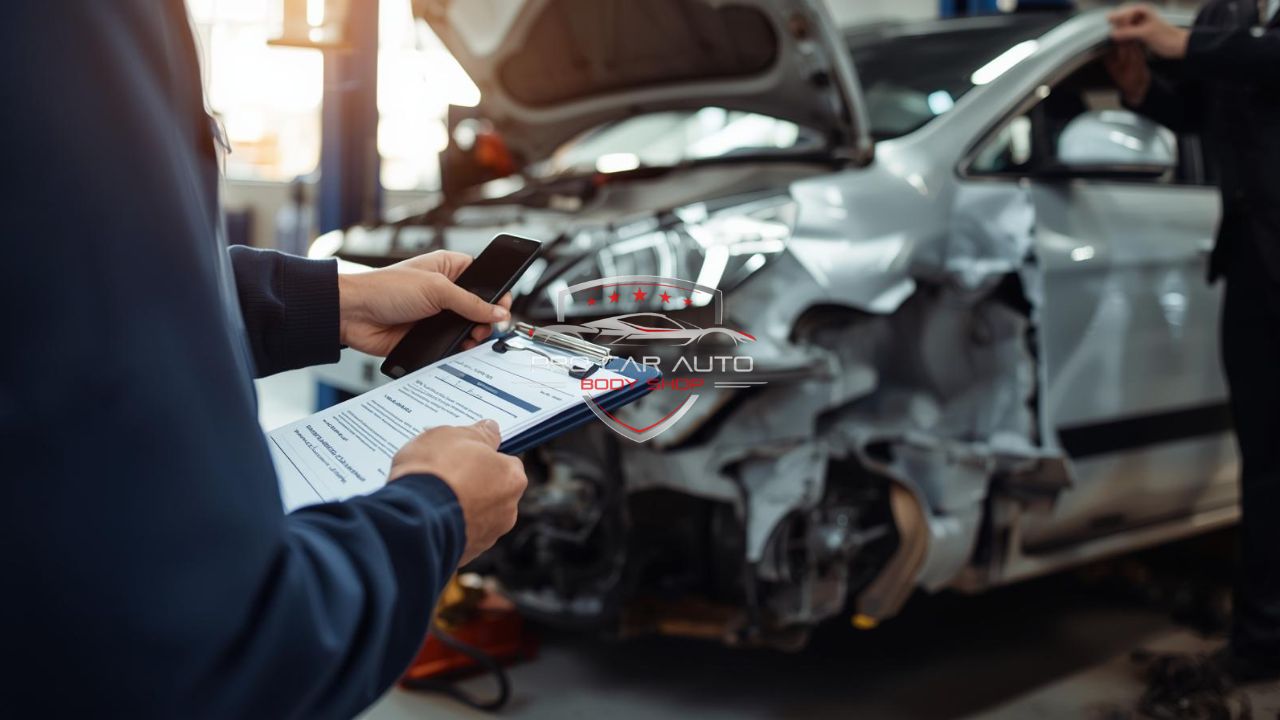
After a claim is opened, an insurance adjuster is assigned to review the damage. This review may involve photos, video submissions, or a brief in-person inspection. The purpose of this step is to estimate visible damage and confirm coverage eligibility, not to uncover every repair requirement.
Adjusters operate under strict time and access limitations. They typically evaluate exterior components such as bumpers, fenders, doors, and panels. Damage beneath these surfaces—such as structural stress, mounting point movement, alignment changes, or safety system impact—is rarely identified at this stage. This limitation is why the initial insurance estimate should never be considered the final word on repair needs.
Why the Initial Insurance Estimate Is Almost Always Incomplete
The initial insurance estimate is a preliminary document created before full inspection or disassembly. Its purpose is to initiate the repair process, not to define its full scope. However, many vehicle owners mistakenly believe the estimate reflects the total cost of repairs.
In real-world collision repair, significant damage is often hidden behind panels, bumpers, and trim. Once these components are removed during the repair process, additional issues are discovered. Auto body repair with insurance claim is designed to account for this reality, which is why estimates are frequently updated as more accurate information becomes available.
Choosing the Auto Body Shop Shapes the Entire Claim
Vehicle owners have the legal right to choose their auto body shop, even when insurance companies recommend preferred facilities. This decision has a major impact on how accurately damage is identified and how effectively the insurance claim is handled.
A professional auto body shop performs in-depth inspections, understands insurance documentation requirements, and communicates repair needs clearly to adjusters. This ensures that auto body repair with insurance claim is driven by actual vehicle condition rather than limited insurance assumptions. The shop you choose often determines whether hidden damage is properly addressed or overlooked.
In-Depth Inspection Is Where Real Damage Is Found
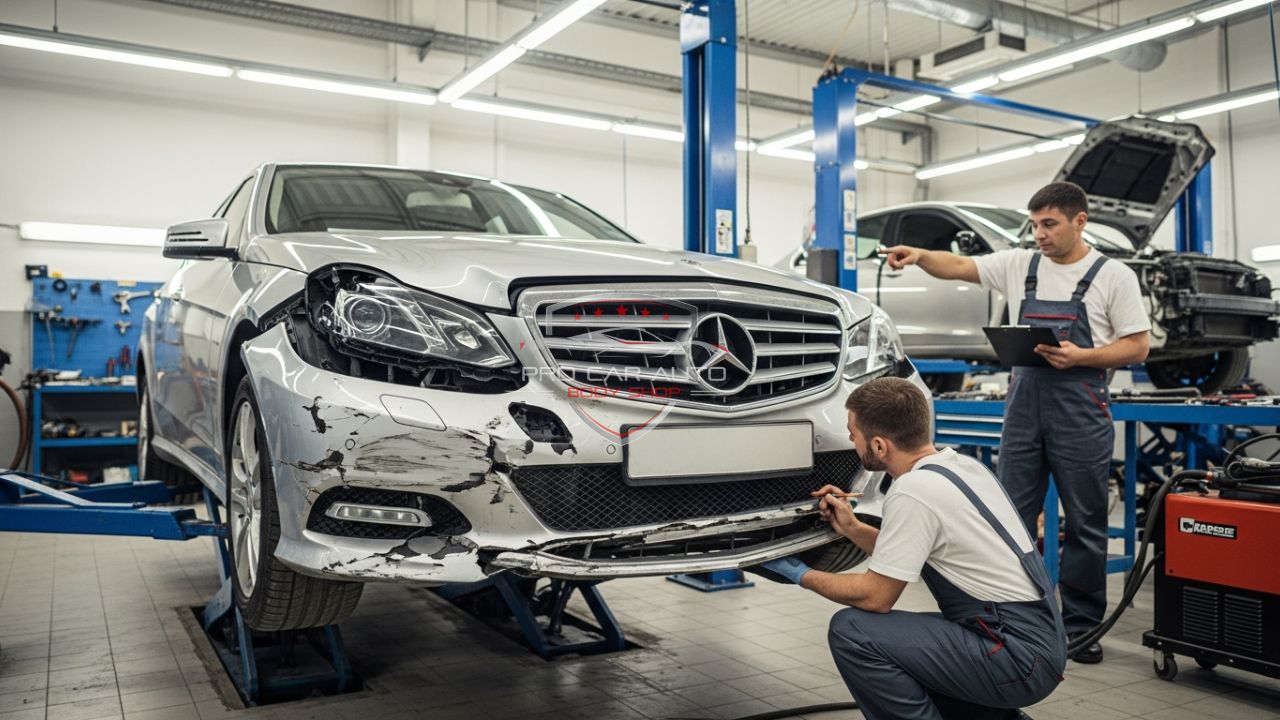
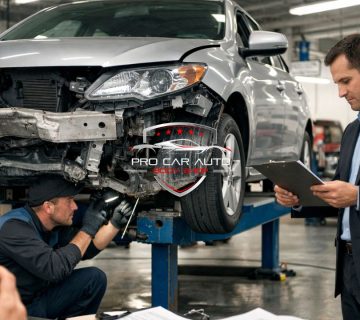
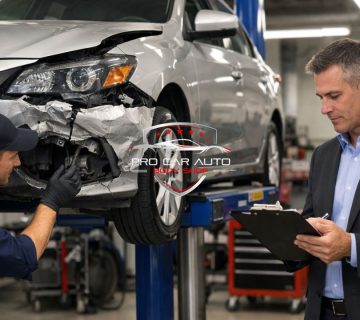
Once the vehicle arrives at the auto body shop, a comprehensive inspection begins. This inspection often involves partial disassembly so technicians can examine areas not visible during insurance evaluations. Collision forces travel through the vehicle’s structure, which means damage is rarely confined to the surface.
During this stage, technicians may identify structural deformation, compromised mounting points, alignment shifts, suspension impact, or safety system displacement. These issues directly affect vehicle safety and handling and must be repaired properly. Documenting this damage is essential for obtaining insurance approval for complete repairs.
Documenting Damage for Insurance Review
When additional damage is discovered, the auto body shop prepares detailed documentation for the insurance company. This documentation includes photos, written explanations, and repair logic that connects the damage directly to the accident.
Insurance companies rely on this information to make approval decisions. Auto body repair with insurance claim works correctly only when this documentation clearly explains why each repair step is necessary. Without it, insurers may approve only cosmetic repairs, leaving critical safety issues unresolved.
Insurance Approval Determines Repair Progress
Insurance-approved repairs cannot proceed until authorization is granted. After documentation is submitted, the insurance company reviews the information to confirm that repairs are accident-related and covered under the policy. During this time, repairs may pause temporarily.
This approval stage protects all parties involved. It ensures repairs are legitimate, necessary, and documented. Professional communication during this phase helps prevent unnecessary delays and keeps the repair process moving forward smoothly.
Performing Insurance-Approved Auto Body Repairs
Once approvals are in place, the auto body shop proceeds with repairs according to the approved scope. This may include structural correction, panel replacement or repair, refinishing, alignment verification, and restoration of safety systems.
Auto body repair with insurance claim is not about making the vehicle look good—it is about restoring how the vehicle functions and protects occupants. Proper repairs ensure the vehicle performs correctly in everyday driving and in future collision scenarios.
Quality Control and Final Inspection Matter
After repairs are completed, the vehicle undergoes a detailed quality control and final inspection process. This step verifies that all approved repairs were performed correctly and that the vehicle meets safety and performance standards.
Final inspection is critical because it confirms the repair work aligns with both repair standards and insurance approvals. It ensures the vehicle is safe to return to the road and that the claim can be closed with confidence.
Claim Closure and Vehicle Delivery
Once repairs pass final inspection, the insurance company finalizes payment and closes the claim. The vehicle is then returned to the owner in repaired condition. Claim closure confirms that repairs were approved, completed, and documented accurately.
A properly closed claim provides peace of mind that the repair process was handled correctly from start to finish.
Why Professional Handling Makes All the Difference?
Auto body repair with insurance claim is not a single task—it is a coordinated process involving inspections, documentation, approvals, and communication. Without professional handling, claims can be delayed, underpaid, or approved only partially.
Experienced auto body shops manage the entire insurance process to ensure repairs are complete, safe, and aligned with proper repair standards—not just insurance minimums.
Auto Body Repair With Insurance Claim in Pompano Beach
Vehicle owners across South Florida trust Pro Car Auto Body Shop for professional auto body repair with insurance claims. Our approach focuses on in-depth inspections, precise documentation, and consistent insurance coordination to ensure repairs are approved properly and completed to high safety and quality standards.
📞 Call Now: (561) 372-4547
📧 Email: info@procarautobodyshop.com
📍 1705 Dixie Hwy, Pompano Beach, FL 33060
Final Thoughts
Auto body repair with an insurance claim is a detailed, multi-stage process that determines how safely and accurately a vehicle is restored after an accident. Each phase—from claim filing to final inspection—plays a crucial role in ensuring repairs address real damage rather than surface appearance.
When handled professionally, insurance claims work the way they are intended to—supporting complete, reliable, and safe auto body repairs that restore confidence and peace of mind after an accident.

No comment