
Fleet Insurance Collision Repair Services
Fleet insurance collision repair services are a critical part of keeping business operations running smoothly after an accident. When a fleet vehicle is damaged, the impact reaches far beyond cosmetic issues. Every collision affects delivery schedules, service routes, employee productivity, and customer commitments. Unlike personal vehicles, fleet units are working assets, and prolonged downtime can quickly translate into lost revenue, missed deadlines, and operational stress.
Because of this, fleet collision repair through insurance requires a highly structured and professional approach. Repairs must be planned with both insurance compliance and business continuity in mind. The objective is not only to repair the vehicle, but to restore it to dependable, road-ready condition so it can safely return to daily operation without creating future mechanical or safety issues.
Why Fleet Insurance Collision Repairs Require a Specialized Approach?
Fleet vehicles are used more intensively than personal vehicles. They accumulate mileage faster, operate under varied driving conditions, and are often driven by multiple operators. This level of usage means that even minor collisions can have deeper consequences if not repaired correctly. Insurance companies understand this and typically review fleet claims with additional attention, especially when the fleet experiences repeated claims over time.
Because of this scrutiny, fleet insurance collision repair must clearly distinguish accident-related damage from normal operational wear. Without professional inspection and documentation, insurers may question repair scope, delay approvals, or reduce coverage. A specialized repair process ensures that claims are supported with accurate evidence, allowing insurance decisions to be based on facts rather than assumptions.
The Role of Insurance Claim Management in Fleet Repairs
Insurance claim management is one of the most important aspects of fleet collision repair. Fleet claims often involve multiple parties, including drivers, fleet supervisors, business owners, and insurance adjusters. Without organized communication, even a straightforward repair can turn into a prolonged process that keeps vehicles sidelined unnecessarily.
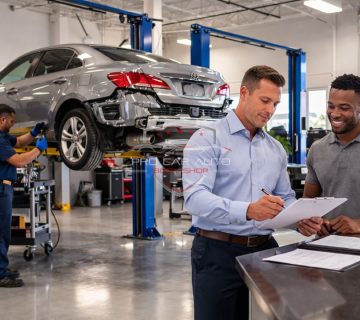
Professional fleet repair services focus heavily on insurance coordination. Detailed estimates, accurate damage documentation, and timely responses help ensure that approvals move forward efficiently. When insurance communication is handled correctly from the beginning, it reduces delays, minimizes disputes, and allows repairs to proceed without repeated interruptions.
The Importance of Consistent Repair Standards Across a Fleet
Consistency is essential in fleet collision repair. Vehicles within the same fleet must perform predictably, especially when drivers rotate between units. Inconsistent repairs can lead to differences in handling, braking response, steering feel, and ride quality. Over time, these inconsistencies can increase maintenance costs and create safety concerns.
Fleet insurance collision repair services aim to apply uniform repair standards so that every vehicle is restored to the same level of safety and reliability. Consistent repairs help fleet managers maintain control over vehicle performance and reduce unexpected operational issues after repairs are completed.
Hidden Damage Is Common in Fleet Vehicle Accidents
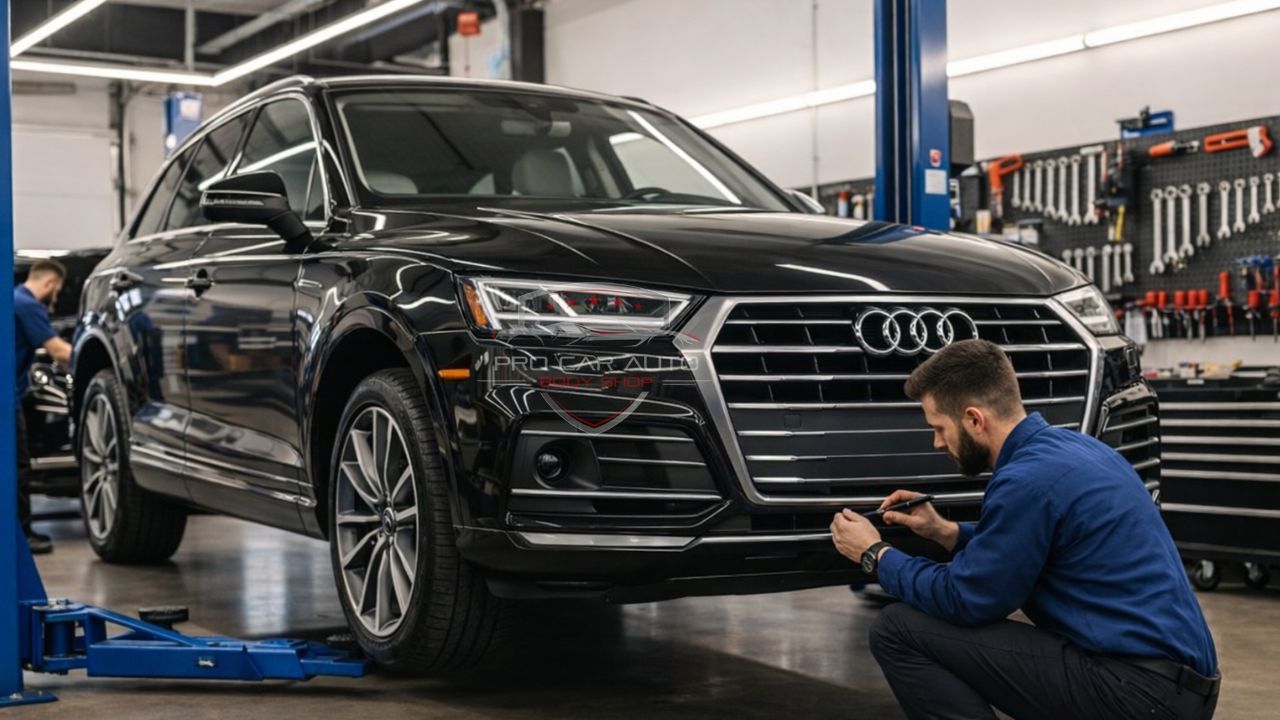
Fleet vehicles, particularly vans, trucks, and service vehicles, are larger and heavier than passenger cars. Because of their size and construction, collision forces often travel deeper into the structure. Even when exterior damage appears limited, internal stress can affect frames, suspension components, mounting points, and steering systems.
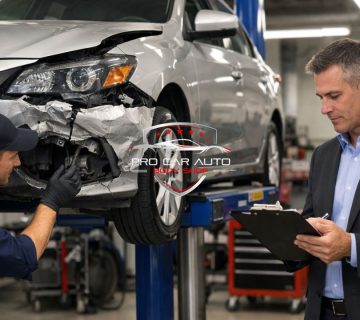
This type of damage is often discovered only after partial disassembly. Proper documentation of hidden damage is essential to ensure insurance coverage reflects the true repair needs. Addressing these issues prevents vehicles from returning to service with unresolved safety or reliability risks that could lead to future breakdowns or accidents.
Balancing Downtime Reduction With Long-Term Reliability
Reducing downtime is a top priority for fleet operators, but rushing collision repairs can lead to long-term problems. Poor-quality repairs may temporarily return a vehicle to service, only for it to develop alignment issues, suspension wear, or drivability concerns shortly afterward. These problems often result in repeat downtime that costs more than doing the repair correctly the first time.
Fleet insurance collision repair services focus on efficient workflows that prioritize quality. When repairs are planned correctly and insurance approvals are managed professionally, vehicles can return to service quickly without sacrificing durability, safety, or long-term performance.
Parts Planning and Availability for Fleet Vehicles
Fleet vehicles often have specialized configurations, including shelving, equipment mounts, or upfitted components. Replacement parts may differ from standard passenger vehicles, making parts planning a key part of the repair process. Insurance repair timelines can be affected if parts availability is not considered early.
Professional fleet repair services document parts requirements clearly so insurance approvals align with actual repair needs. Using proper components ensures the vehicle can handle daily operational demands and reduces the risk of premature failures after repairs.
Insurance Evaluations and Total Loss Considerations for Fleets
In some cases, insurance companies may evaluate fleet vehicles for total loss, particularly when repair costs approach vehicle value. These decisions should always be based on accurate damage assessment rather than mileage or usage assumptions alone. Incomplete inspections can lead to incorrect total loss evaluations that disrupt fleet planning.
Clear documentation helps ensure that total loss decisions are fair and based on real damage. This allows fleet managers to make informed decisions about repair or replacement without unnecessary uncertainty.
Long-Term Fleet Performance Depends on Proper Collision Repairs
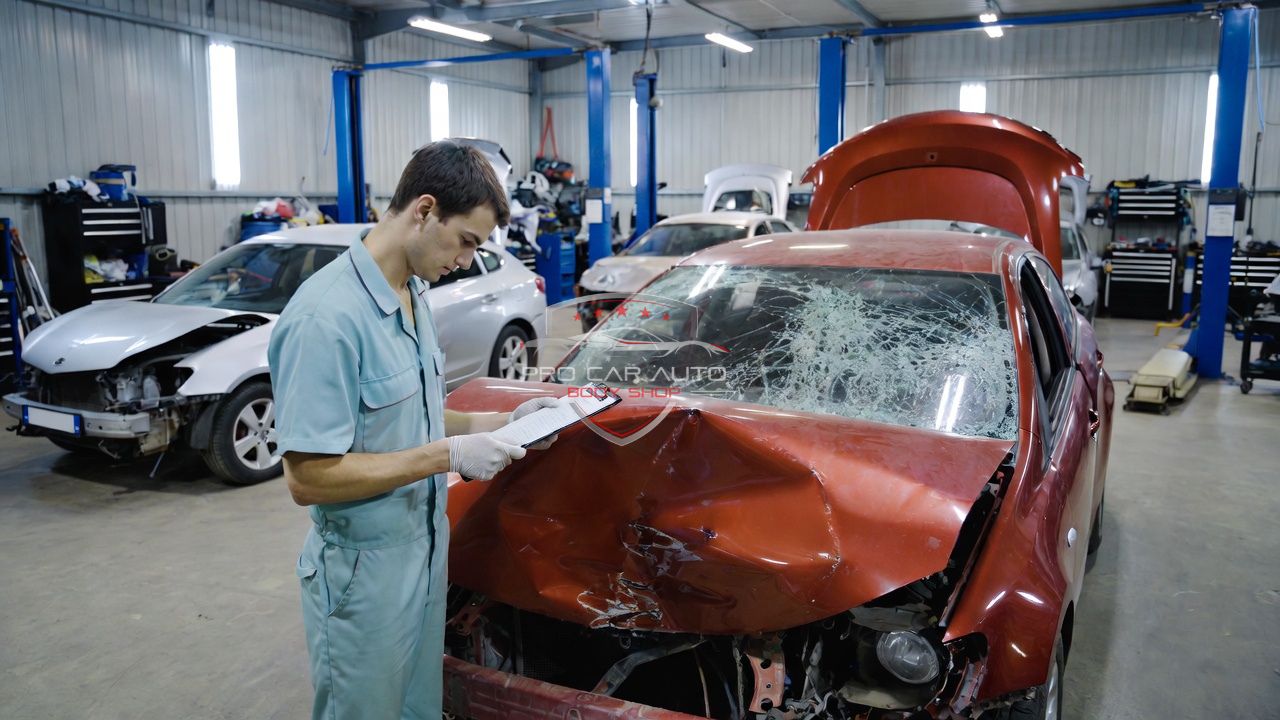
Fleet vehicles are expected to operate reliably day after day. Cosmetic-only repairs may look acceptable but often fail to restore structural alignment or mechanical integrity. Over time, this can lead to increased maintenance costs, driver complaints, and reduced vehicle lifespan.
Proper fleet insurance collision repair restores safety, stability, and reliability, allowing vehicles to perform consistently under daily use. This approach protects both the fleet investment and the people who operate the vehicles.
Ongoing Insurance Coordination for Fleet Accounts
Fleet operations often involve recurring insurance claims over time. Working with a repair facility experienced in fleet insurance handling helps create a structured process that improves claim efficiency and consistency. This reduces friction with insurance providers and speeds up approvals on future repairs.
A well-managed fleet repair relationship allows businesses to maintain predictable repair outcomes and better control over operational costs.
Fleet Insurance Collision Repair Services in Pompano Beach
Businesses across South Florida rely on Pro Car Auto Body Shop for fleet insurance collision repair services. Our process is built around accurate inspections, consistent repair standards, and insurance-compatible documentation that helps fleet vehicles return to service safely and efficiently.
📞 Call Now: (561) 372-4547
📧 Email: info@procarautobodyshop.com
📍 1705 Dixie Hwy, Pompano Beach, FL 33060
Final Thoughts
Fleet insurance collision repair services are about more than fixing damaged vehicles. They are about protecting business operations, minimizing downtime, and ensuring long-term vehicle reliability. Fleet vehicles demand professional inspection, structured insurance handling, and consistent repair quality to remain dependable assets.
When fleet repairs are handled correctly, insurance coverage supports safe restoration and efficient return to service—allowing businesses to operate with confidence, continuity, and control.

No comment