How Insurance Claim Auto Body Repair Works?
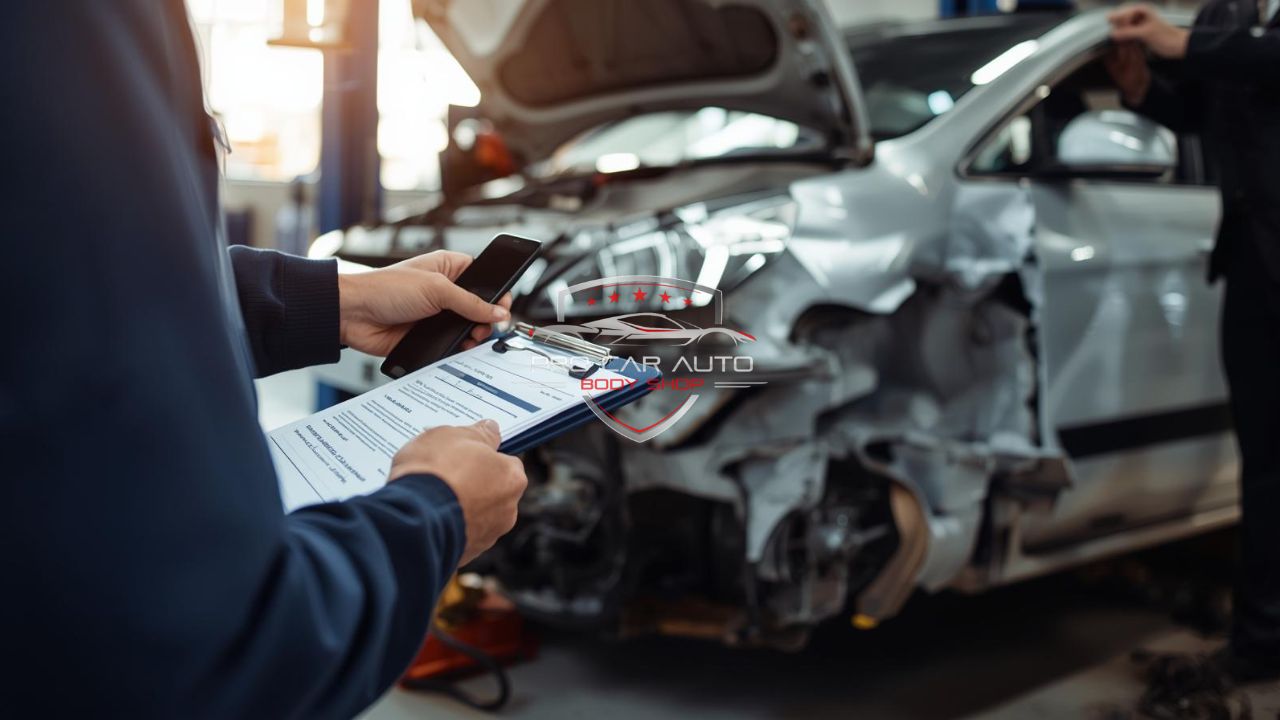
Insurance claim auto body repair is a structured and multi-stage process that determines how well a vehicle is restored after an accident. Many vehicle owners assume that once an insurance claim is filed, repairs simply move forward automatically. In reality, insurance claim auto body repair involves coordination between the insurance company, the insurance adjuster, and the repair facility, with each party playing a different role. The outcome of this process depends heavily on how damage is identified, documented, reviewed, and approved—not just on whether coverage exists.
The complexity of this process is often underestimated. Modern vehicles are engineered with advanced materials, integrated safety systems, and precise structural tolerances. Because of this, even minor accidents can create damage that is not immediately visible but still critical to safety and performance. Insurance claim auto body repair is designed to address these issues step by step, but only when inspections, documentation, and communication are handled correctly.
Filing the Insurance Claim Starts the Repair Process
Insurance claim auto body repair begins when the accident is reported to the insurance company. This initial step creates the official claim file that follows the vehicle throughout the repair process. The claim file includes accident details, basic damage descriptions, and policy information. Everything that happens later—adjuster evaluations, repair approvals, and payments—is tied back to this file.
At this stage, the insurance company’s priority is speed. The goal is to open the claim quickly and assign it for review. This does not mean the insurance company has evaluated all damage. It simply means the process has started. Many repair complications arise later because vehicle owners assume the claim opening step includes a full damage assessment, when in reality it does not.
The Insurance Adjuster’s Evaluation Is Limited by Design
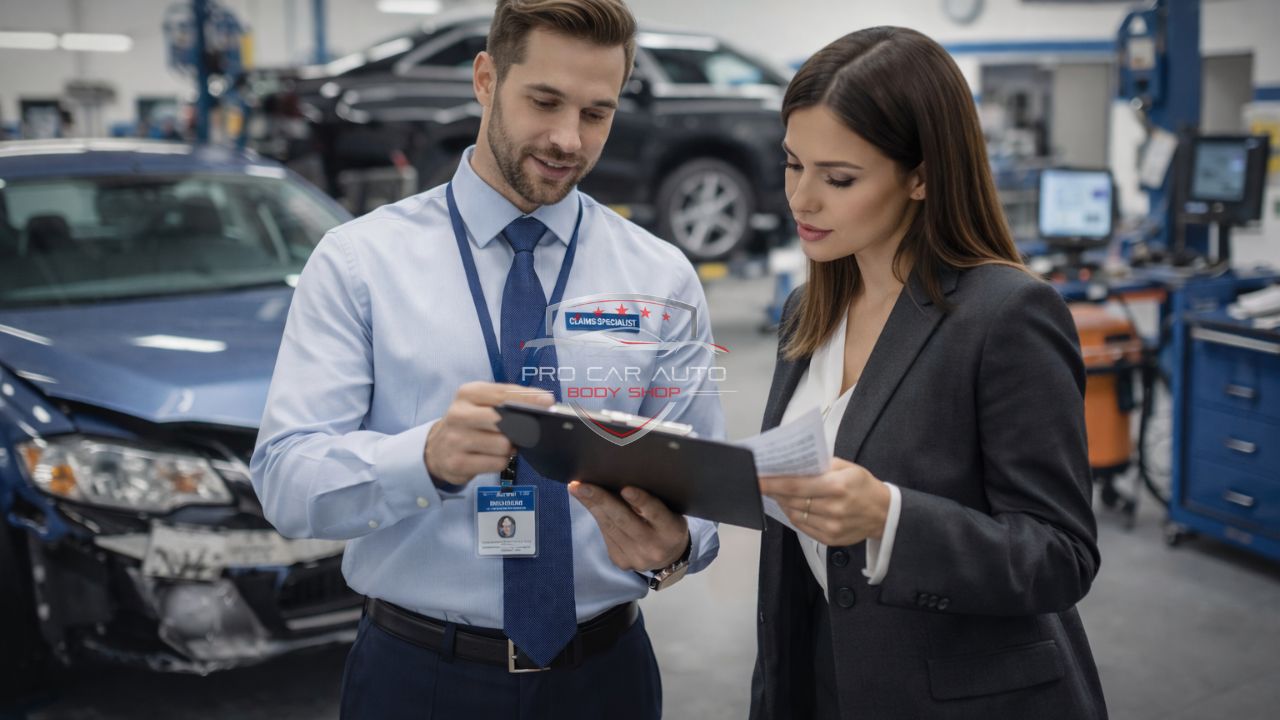
After the claim is opened, an insurance adjuster is assigned to review the damage. The adjuster’s role is to evaluate loss based on policy coverage and available information, not to determine the complete technical repair plan. Adjusters often work under time constraints and may rely on photos, brief inspections, or surface-level observations to prepare an initial estimate.
Because of these limitations, adjuster evaluations usually focus on visible damage such as bumpers, panels, and exterior components. Structural damage, alignment issues, internal reinforcements, and safety system impacts are often not identified at this stage. This is not an error—it is simply a limitation of how early claim evaluations work. Understanding this explains why insurance claim auto body repair almost always involves additional review after the vehicle reaches a repair facility.
Initial Insurance Estimates Are Only a Starting Point
One of the most misunderstood aspects of insurance claim auto body repair is the initial estimate. Many vehicle owners believe this estimate represents the total cost of repairs. In reality, the initial estimate is a preliminary document designed to start the repair process, not to finalize it.
Initial estimates are usually written before the vehicle is disassembled. Once panels, bumpers, and trim are removed, additional damage is frequently discovered. This includes bent mounting points, distorted structural components, alignment changes, and damage to systems that cannot be seen externally. Because this damage was not visible earlier, it is not included in the first estimate, which is why insurance claim repairs often require updates later.
Choosing the Auto Body Shop Shapes the Entire Claim
Vehicle owners have the legal right to choose their auto body repair shop, regardless of insurance recommendations. This choice plays a critical role in how the insurance claim auto body repair process unfolds. The repair shop is responsible for identifying hidden damage, documenting repair needs, and communicating those needs to the insurance company.
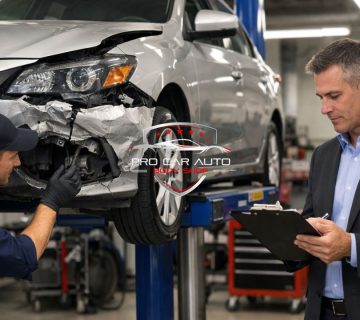
A professional auto body shop does far more than repair visible damage. It performs detailed inspections, evaluates structural integrity, and determines how the accident affected the vehicle as a whole. The quality of this inspection directly affects how accurately the insurance claim reflects the true repair requirements.
Detailed Inspection Reveals Damage Insurance Cannot See
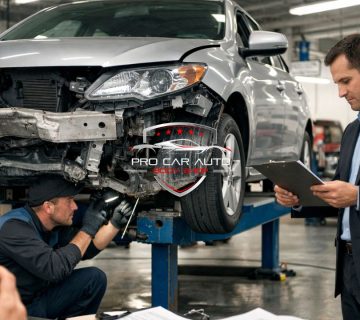
Once the vehicle arrives at the auto body shop, a comprehensive inspection begins. This inspection often includes partial disassembly so technicians can examine areas hidden behind exterior panels. Collision forces travel inward, not just across the surface, which means damage is often present in areas not visible during early evaluations.
This inspection phase is where many critical issues are identified, including alignment shifts, internal reinforcement damage, sensor displacement, and stress to safety-related components. These findings are essential to restoring the vehicle properly, and they must be documented clearly so the insurance company understands why additional repairs are necessary.
Claim Updates Are a Normal and Necessary Step
When additional damage is discovered, the auto body shop submits updated documentation to the insurance company. This process—often called a supplement—is a normal part of insurance claim auto body repair. It does not mean the original estimate was wrong; it means the vehicle’s full condition is now understood.
Insurance companies expect this process because they know initial estimates are limited. Updated documentation explains what additional damage was found, how it relates to the accident, and why it must be repaired to restore safety and performance. Without this step, repairs would be limited to cosmetic fixes rather than complete restoration.
Insurance Approval Controls Repair Progress
Insurance claim auto body repair cannot move forward without approval. Once documentation is submitted, the insurance company reviews it before authorizing additional work. This review period is why repairs sometimes pause temporarily.
Professional communication during this stage is critical. Clear documentation, accurate photos, and consistent follow-up help prevent unnecessary delays and keep repairs moving. When approvals are handled correctly, the repair process becomes far more predictable.
Repairs Restore More Than Appearance
Once approvals are in place, the repair shop begins work according to the approved scope. This includes structural correction, component replacement or repair, refinishing, alignment verification, and safety system checks. Insurance claim auto body repair is not just about making the vehicle look good—it is about restoring how the vehicle performs and protects occupants.
Proper repairs ensure that the vehicle responds correctly during normal driving and in future collision scenarios. Skipping or rushing repair steps can compromise safety, even if the vehicle appears fine on the outside.
Final Inspection Confirms Repair Quality
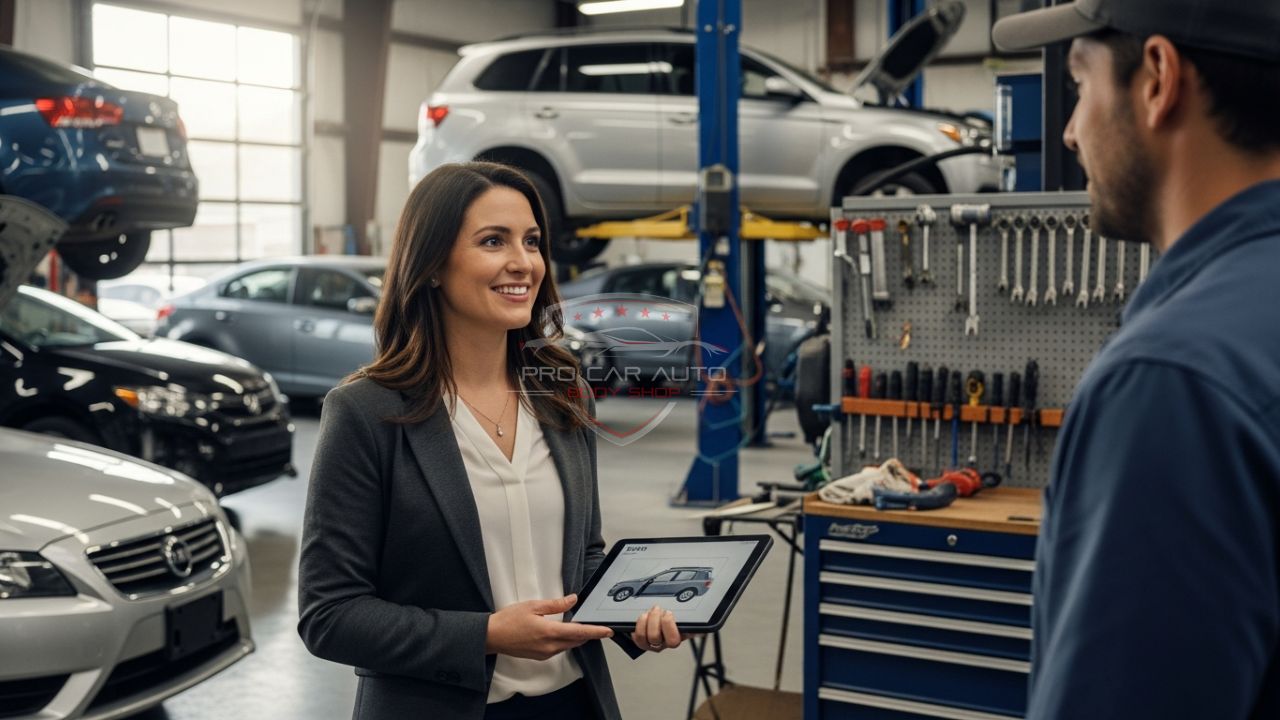
After repairs are completed, the vehicle undergoes final inspection and quality control checks. This step verifies that all approved repairs were completed correctly and that the vehicle meets safety and performance standards.
Final inspection protects everyone involved. It ensures the vehicle is safe for the owner, confirms repairs were completed as approved, and allows the insurance claim to move toward closure with confidence.
Claim Closure Completes the Process
Once repairs are verified, the insurance company finalizes payment and closes the claim. The vehicle is then returned to the owner in repaired condition. A properly closed claim confirms that documentation, approvals, and repairs were completed accurately.
This final step marks the completion of the insurance claim auto body repair process.
Why Professional Handling Makes Insurance Repairs Successful?
Insurance claim auto body repair is not a single step—it is a coordinated process that depends on inspection quality, documentation accuracy, and communication with insurers. Without professional handling, claims can be delayed, underpaid, or approved only partially.
Professional auto body shops manage this process to ensure repairs are complete, safe, and aligned with proper repair standards rather than minimal insurance assumptions.
Insurance Claim Auto Body Repair in Pompano Beach
Drivers across South Florida rely on Pro Car Auto Body Shop for professional insurance claim auto body repair services. Our approach focuses on deep inspections, detailed documentation, and consistent insurance coordination to ensure repairs are approved properly and completed to high safety standards.
📞 Call Now: (561) 372-4547
📧 Email: info@procarautobodyshop.com
📍 1705 Dixie Hwy, Pompano Beach, FL 33060
Final Thoughts
Insurance claim auto body repair is a detailed, step-by-step process that determines how safely and accurately a vehicle is restored after an accident. Each phase—from claim filing to final inspection—plays a role in ensuring repairs address real damage rather than surface appearance.
When the process is handled correctly, insurance coverage works the way it is meant to—supporting complete, reliable, and safe repairs that restore confidence after an accident.

No comment