
How Long Does Insurance Claim Repair Take?
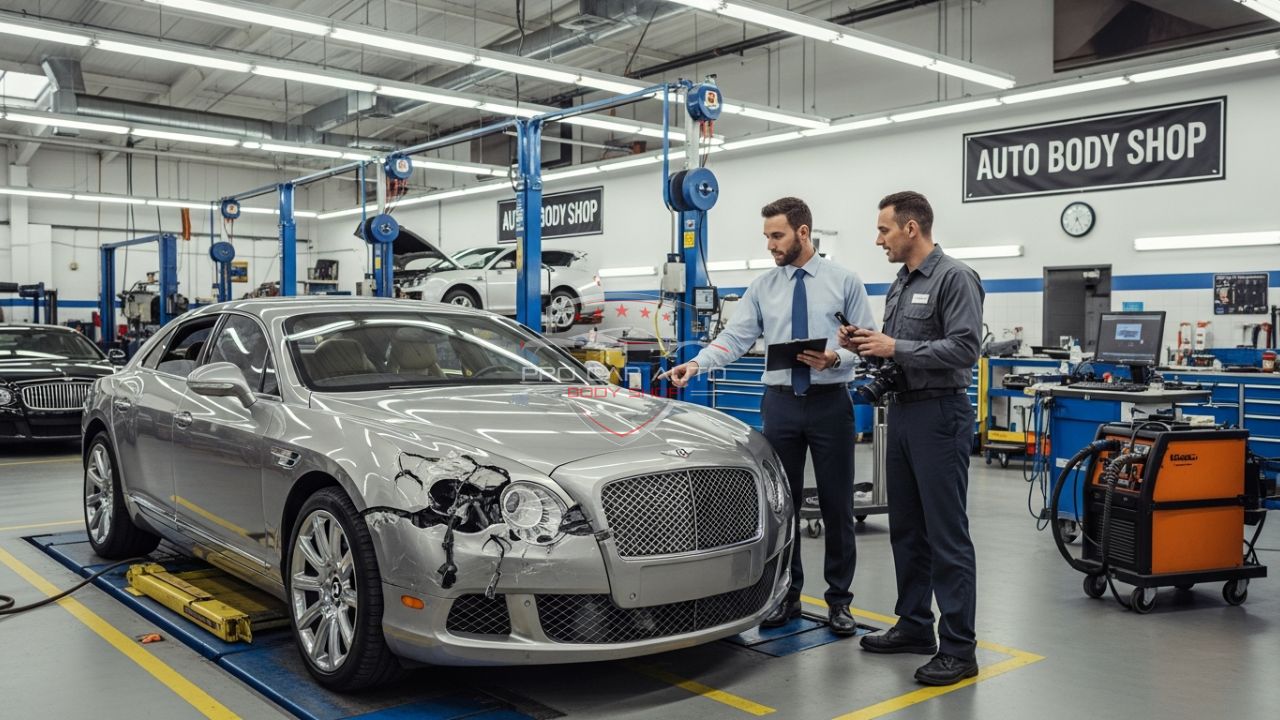
The time it takes to complete an insurance claim repair depends on several factors, and there is no single timeline that applies to every accident. Many vehicle owners expect repairs to be finished within a few days, but insurance claim repairs involve much more than physical labor. The process includes inspections, insurance approvals, documentation reviews, parts sourcing, and quality checks. Each of these steps affects the overall repair timeline, which is why insurance claim repairs often take longer than non-insurance repairs.
In general, insurance claim repairs can take anywhere from a few days to several weeks, depending on the severity of the damage and how smoothly the insurance process moves. Minor damage with clear approval may be completed quickly, while moderate to severe collisions often require additional inspections, approvals, and parts that extend the timeline. Understanding why these delays happen helps vehicle owners set realistic expectations and avoid unnecessary frustration.
Insurance Claim Repairs Take Longer Than Standard Repairs
Insurance claim repairs typically take longer than out-of-pocket repairs because insurance approval is required at multiple stages. Before repairs can begin, the insurance company must review damage, confirm coverage, and issue initial authorization. This alone can take several days depending on adjuster availability and claim volume.
As repairs progress, additional damage is often discovered, which requires further insurance review and approval. These added steps are normal and expected, but they do add time. Insurance claim repair timelines are not controlled solely by the repair shop—they are influenced heavily by how quickly insurance decisions are made.
Initial Insurance Inspection Affects the Timeline
The repair timeline often begins with the insurance inspection. Some inspections happen quickly, while others take longer depending on scheduling, adjuster workload, or whether photos are used instead of in-person evaluations. If the initial inspection is limited, it may not capture all damage, which can lead to delays later when additional repairs are identified.
A limited initial inspection often results in an incomplete estimate. When the vehicle reaches the repair shop and a deeper inspection is performed, additional damage must be documented and resubmitted to insurance. This adds time but is necessary to ensure the vehicle is repaired correctly.
Severity of Damage Is the Biggest Time Factor
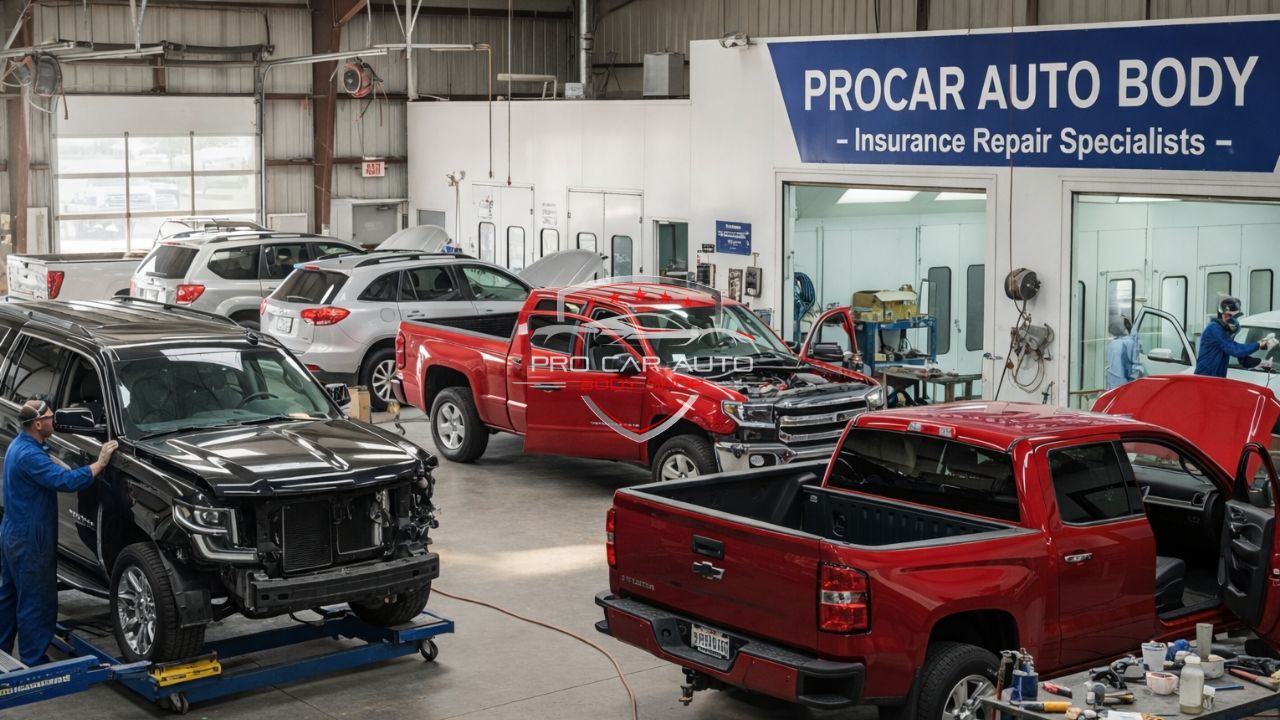
The extent of vehicle damage plays the largest role in how long insurance claim repairs take. Minor cosmetic repairs may take only a few days once approved. Moderate damage involving panels, paint, and alignment often takes one to two weeks. Severe collisions involving structural damage, multiple components, or safety systems can take several weeks or longer.
More damage means more inspection time, more parts, more approvals, and more repair steps. Insurance claim repairs are designed to restore safety and performance, not just appearance, which naturally increases repair time as damage severity increases.
Insurance Approvals Can Extend Repair Time
Insurance companies review and approve repairs in stages. The initial approval covers visible damage, but additional approvals are often required once hidden damage is discovered. These supplemental approvals require documentation, photos, and review time.
During this review period, repairs may pause temporarily. This does not mean the repair shop is delaying work—it means the shop is waiting for insurance authorization to proceed correctly. Clear documentation and professional insurance coordination help reduce these delays, but they cannot always eliminate them.
Parts Availability Plays a Major Role
Parts availability is another key factor in insurance claim repair timelines. Some parts are readily available, while others may be backordered, especially for newer vehicles, luxury models, or specialty components. Insurance-approved parts may also require additional sourcing time.
If a required part is delayed, repairs cannot be completed until it arrives. This is one of the most common reasons insurance claim repairs extend beyond initial estimates. Repair shops monitor parts availability closely, but supply delays are often outside their control.
Supplements Are a Normal Part of the Process
Many vehicle owners become concerned when repair timelines extend after work has started. In most cases, this is due to supplements—requests for additional repair approval after hidden damage is found. Supplements are normal in collision repair and are expected by insurance companies.
While supplements add time, they also protect repair quality. Skipping this step would result in incomplete or unsafe repairs. Insurance claim repair timelines are designed to adapt as more accurate information becomes available.
Quality Control and Final Inspection Add Necessary Time
Once repairs are completed, the vehicle undergoes quality control and final inspection. This step ensures all approved repairs were performed correctly and that the vehicle meets safety and performance standards. While this may add extra time, it is critical to ensuring the repair is done right.
Rushing this stage can lead to overlooked issues, repeat visits, or safety concerns. A proper insurance claim repair timeline always includes time for verification and final checks.
Communication Affects How Fast Repairs Move
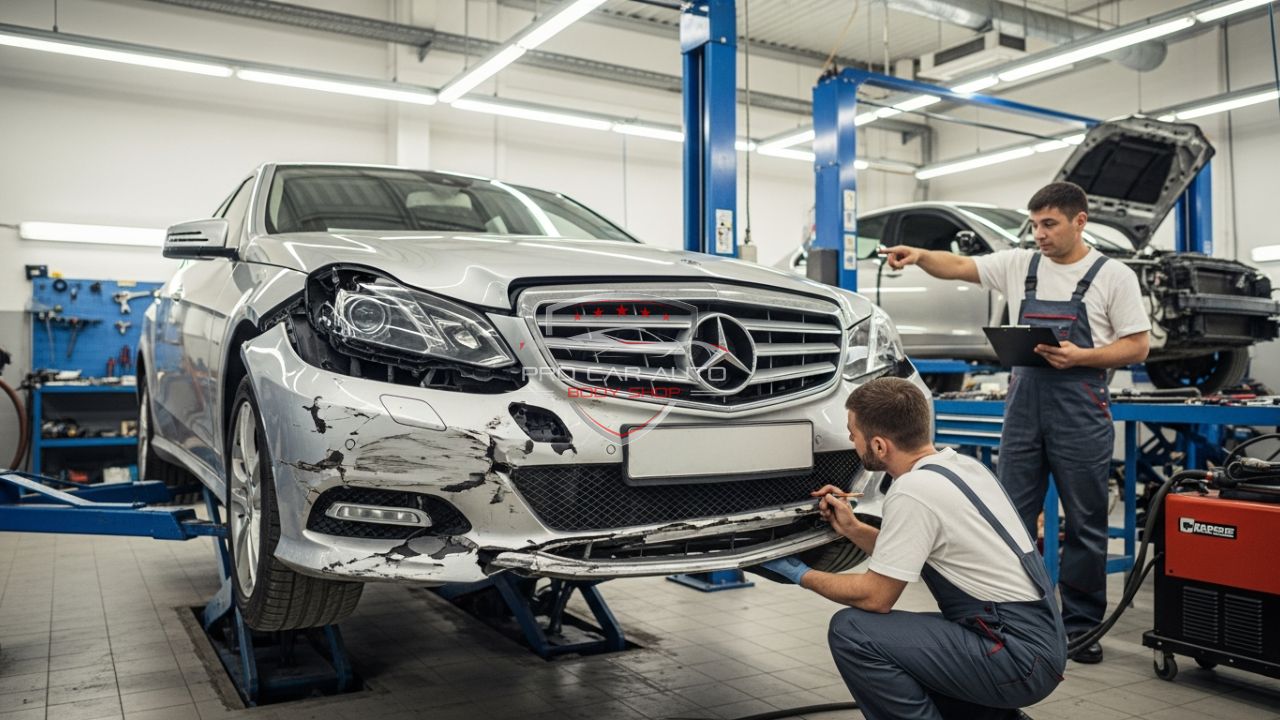
How well communication flows between the repair shop and the insurance company has a direct impact on repair time. Shops that provide clear documentation and follow up consistently with insurers help keep claims moving.
When insurance communication is handled professionally, approvals happen faster and misunderstandings are reduced. Poor communication is one of the biggest causes of extended insurance claim repair timelines.
Realistic Timeframes for Insurance Claim Repairs
While every case is different, most insurance claim repairs follow these general timelines:
Minor damage may take 3–7 days, moderate repairs often take 1–2 weeks, and severe collision repairs may take 3–6 weeks or longer depending on approvals and parts availability. These are averages, not guarantees.
The goal is not speed alone—it is safe, complete restoration. A longer repair timeline often means the vehicle is being repaired thoroughly rather than rushed.
Insurance Claim Repair Timeline in Pompano Beach
Drivers across South Florida trust Pro Car Auto Body Shop for professional insurance claim collision repair services. Our team focuses on detailed inspections, accurate documentation, and direct insurance coordination to keep repair timelines as efficient as possible without compromising safety or quality.
📞 Call Now: (561) 372-4547
📧 Email: info@procarautobodyshop.com
📍 1705 Dixie Hwy, Pompano Beach, FL 33060
Final Thoughts
So, how long does insurance claim repair take? The honest answer is that it depends on damage severity, insurance approvals, parts availability, and inspection accuracy. While some repairs move quickly, others take time to ensure the vehicle is restored safely and correctly.
A professional insurance claim repair process prioritizes quality over speed. When handled correctly, the time invested in proper repairs protects vehicle safety, performance, and long-term reliability—making the wait worthwhile.


No comment