
How Long Does Insurance Collision Repair Take? A Realistic Timeline Explained by Repair Professionals
After an accident, one of the biggest frustrations vehicle owners face is uncertainty. Even when insurance coverage is confirmed, the repair timeline often feels unclear or longer than expected. The truth is that insurance collision repair follows a multi-stage process, and each stage plays a role in how long your vehicle stays in the shop.
Collision repair is not just about fixing visible damage. It involves inspections, insurance approvals, parts coordination, manufacturer procedures, and safety verification. Rushing any of these steps can compromise the repair.
Why Insurance Collision Repair Takes Time?
Insurance collision repair timelines vary because modern vehicles are complex. Damage is rarely limited to what you can see. Even minor-looking accidents can affect structural components, suspension systems, and electronic safety features.
Repair time depends on:
- Accident severity
- Vehicle make and model
- Insurance review process
- Parts availability
- Required safety procedures
A professional repair process focuses on accuracy and safety, not shortcuts.
Average Insurance Collision Repair Timelines (What Most Vehicles Experience)
While every claim is different, most insurance collision repairs fall into these general categories:
- Light cosmetic damage: 3–7 business days
- Moderate collision damage: 1–3 weeks
- Heavy collision or structural damage: 3–6 weeks or more
These are realistic timelines when repairs are done properly and insurance approvals are handled correctly.
Stage 1: Initial Insurance Estimate (Not the Final Repair Plan)
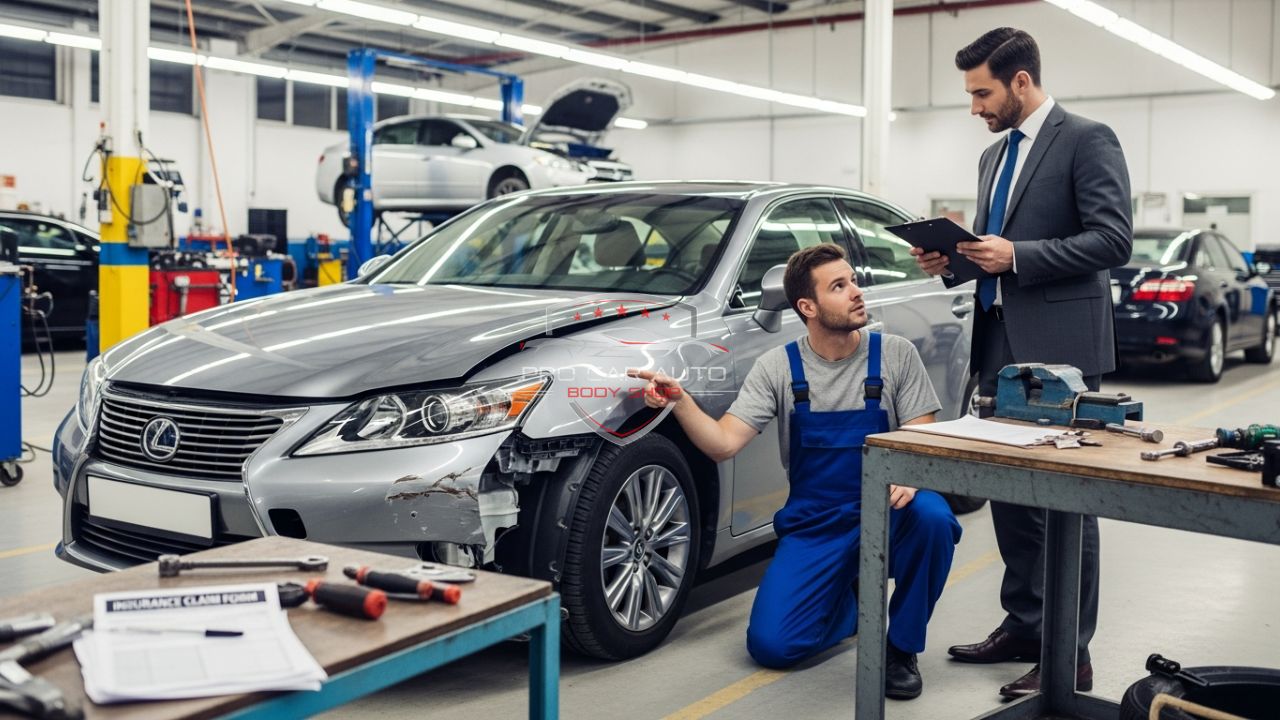
The insurance estimate created shortly after an accident is only a starting point. Many estimates are written using photos or brief inspections before the vehicle is taken apart.
These initial estimates often:
- Address surface-level damage only
- Do not include structural inspections
- Exclude suspension or alignment checks
- Miss sensor and safety system damage
This is why repair timelines often change once the vehicle enters the shop.
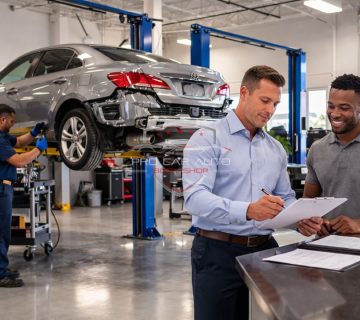
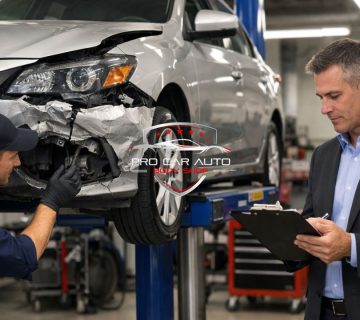
Stage 2: Vehicle Disassembly and Full Damage Inspection
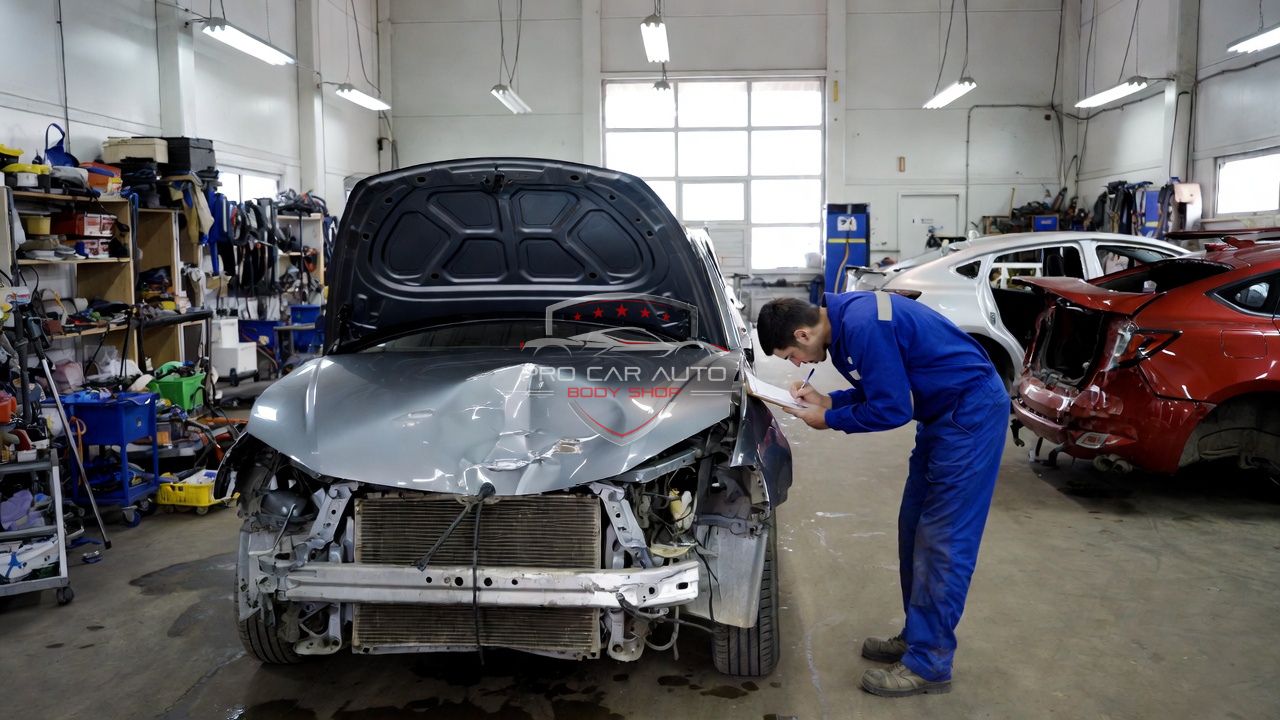
Once the vehicle arrives at the repair facility, partial disassembly is required. Panels, bumpers, and trim must be removed to inspect underlying components.
During this stage, technicians often discover:
- Frame or subframe misalignment
- Suspension and steering damage
- Secondary impact areas
- Electrical or sensor-related issues
This step adds time—but it prevents unsafe or incomplete repairs.
Stage 3: Insurance Supplements and Additional Approvals
When hidden damage is found, the repair shop submits supplemental documentation to the insurance company. Supplements explain:
- What additional damage was discovered
- How it relates to the accident
- Why repairs are required for safety
Insurance review of supplements is one of the most common causes of timeline extensions, but it is a normal and necessary part of collision repair.
Stage 4: Insurance Adjuster Review and Authorization Delays
Insurance companies must review all repair documentation before authorizing work. Delays may occur due to:
- Adjuster workload
- Claim complexity
- Additional review requirements for structural damage
A professional shop actively manages this communication to reduce unnecessary delays.
Stage 5: Parts Ordering and Availability
Collision repairs often require specific replacement parts, especially for newer vehicles. Repair time can be affected by:
- OEM parts on backorder
- Shipping delays
- Limited availability for imported or luxury vehicles
Waiting for correct parts ensures repairs meet safety and manufacturer standards.
Stage 6: Repair Execution and Structural Work
Once approvals and parts are in place, repairs begin. This phase may include:
- Structural or frame repairs
- Panel replacement and alignment
- Welding or bonding procedures
- Suspension and steering corrections
Each repair must follow proper sequencing to maintain vehicle integrity.
Stage 7: Paint, Refinishing, and Curing Time
Paint work is not instant. Quality refinishing requires:
- Surface preparation
- Color matching
- Multiple coating layers
- Proper curing and drying time
Rushing paint work can lead to poor finish quality and long-term issues.
Stage 8: Safety System Calibration and Diagnostics
Modern vehicles rely heavily on electronic safety systems. After collision repair, recalibration may be required for:
- Cameras and sensors
- Lane departure systems
- Collision avoidance features
- Airbag and restraint systems
These procedures are critical and must be completed before the vehicle is returned.
Stage 9: Final Quality Control and Road Testing
Before delivery, professional shops perform:
- Final inspections
- Fit and finish checks
- Alignment verification
- Safety and functionality testing
These final steps ensure the vehicle is safe, reliable, and properly restored.
Why Faster Is Not Always Better?
Many drivers want the fastest repair possible—but rushed repairs can result in:
- Improper structural alignment
- Incomplete safety system restoration
- Premature wear or failure
- Reduced resale value
A realistic repair timeline protects both vehicle safety and long-term performance.
How Professional Insurance Coordination Helps Reduce Delays?
An experienced collision repair shop works directly with insurance companies to:
- Submit complete estimates
- Manage supplements efficiently
- Clarify repair requirements
- Keep approvals moving
This coordination can significantly reduce avoidable downtime.
Trusted Insurance Collision Repair in Pompano Beach
Drivers throughout South Florida trust Pro Car Auto Body Shop for insurance-compatible collision repair, accurate damage inspections, and professional claim coordination. Our process is designed to minimize delays while ensuring every repair meets proper safety and repair standards.
📞 Call Now: (561) 372-4547
📧 Email: info@procarautobodyshop.com
📍 1705 Dixie Hwy, Pompano Beach, FL 33060
Final Answer: How Long Does Insurance Collision Repair Take?
Insurance collision repair can take anywhere from a few days to several weeks, depending on damage severity, insurance approvals, parts availability, and repair complexity. Each stage of the process plays a role in restoring your vehicle safely and correctly.
The most important factor is not speed—it’s getting the repair done right.

No comment