Pompano Beach, FL
33060, United States
- Homepage
- How much does PDR Cost for Hail Damage
How much does PDR Cost for Hail Damage
High-Quality Auto Body Repairs Backed by Complete Insurance Claim Support.
Hail damage can leave your vehicle covered in dents, ranging from minor dings to larger depressions, impacting its aesthetic and resale value. At ProCar Auto Body Shop in South Florida, we specialize in Paintless Dent Repair (PDR), a non-invasive technique that restores your vehicle’s appearance without the need for repainting or extensive bodywork. In 2025, PDR costs for hail damage in South Florida depend on factors such as the number and size of dents, vehicle make and model, and regional considerations like labor rates and the humid climate. This article outlines these factors, provides a detailed cost table for PDR in South Florida, and offers tips to help you manage repair expenses while maintaining quality. Whether you’re a car owner or an industry professional, this guide will help you make informed decisions about hail damage repairs.


PRO CAR AUTO BODY SHOP Services
We Work All Makes and Models


Understanding PDR Costs for Hail Damage
Paintless Dent Repair (PDR) is one of the most preferred methods for fixing hail damage because it eliminates the need for paint, fillers, or heavy bodywork. However, the cost of PDR varies widely depending on the severity of the hailstorm and the number of dents covering the vehicle. In most cases, hail damage involves dozens—even hundreds—of small dents across the hood, roof, trunk, and side panels. Unlike a single dent repair, hail restoration requires precision, time, and expert-level skill to restore each affected area individually. Because of this, vehicle owners should expect PDR pricing to range from minor, affordable repairs to more comprehensive packages for heavily damaged vehicles.
Dent Size and Severity: The Biggest Cost Factor
The size of each dent plays a crucial role in determining PDR pricing. Small dents the size of a dime are easier and faster to correct, meaning they cost significantly less. On the other hand, quarter-sized dents or larger indentations—especially those caused by heavy hail—require more specialized techniques, adding to both time and cost. Deep dents can also be more complex because they stretch the metal more severely, making the repair process more delicate. Vehicles exposed to golf-ball-sized hailstones can accumulate a higher bill simply because the technician must perform more detailed and extensive work on each section.

Number of Dents and Panel Coverage
Hail damage is unique because it affects multiple areas of the vehicle simultaneously. A car might have 20 dents on one panel and over 100 dents on another. PDR technicians calculate pricing based on how many panels are damaged and how many dents appear on each panel. When the dent count becomes extensive, technicians categorize the work as light, medium, or heavy hail damage, each falling into a different price bracket. The more widespread the dents, the longer the restoration takes, increasing overall cost. This is why a full hail repair can range anywhere from a few hundred dollars to several thousand.
PRO CAR AUTO BODY SHOP
EXPERT COLLISION REPAIR & INSURANCE ASSISTANCE IN POMPANO BEACH
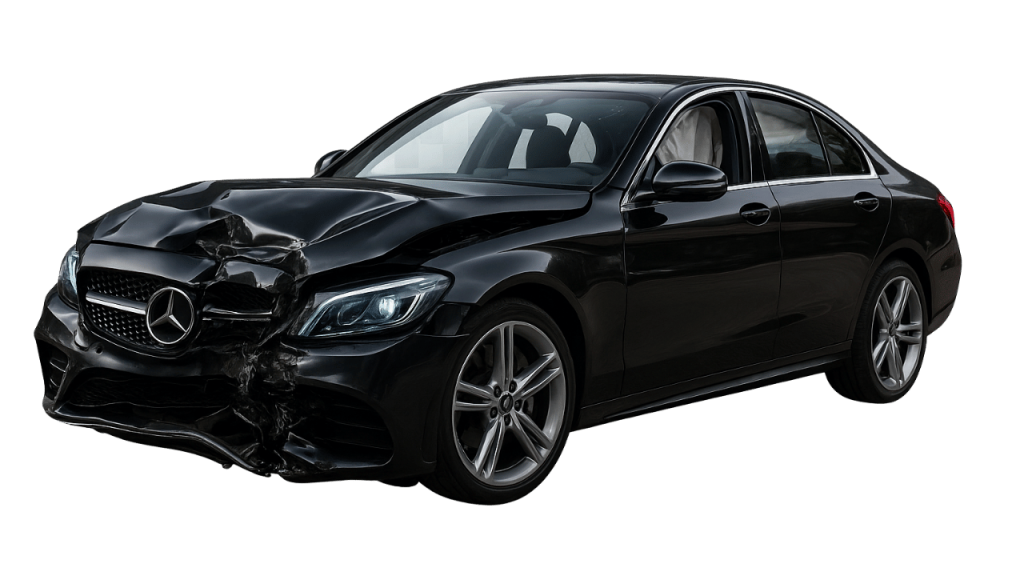
We Accept Insurance Claims and More...






Location of Dents on the Vehicle
Not all dents cost the same to repair—location matters significantly. Hail dents on open, flat panels like the hood or roof are easier and cheaper to fix. However, dents located near edges, creases, or reinforced areas require advanced techniques and more time. Similarly, if hail impacts areas around sensors, pillars, or roof rails, the repair becomes more labor-intensive. Some locations may require panel removal for proper access, which also increases the cost. Vehicles with aluminum panels, panoramic roofs, or roof racks may see additional charges due to their complex structure.
Type of Vehicle and Panel Material
Your vehicle’s make, model, and material composition have a major impact on PDR pricing. High-end vehicles like BMW, Audi, Mercedes, and Tesla often use aluminum or high-strength steel in their construction. These materials are harder to manipulate and require more effort and precision from technicians, naturally raising repair costs. Trucks, SUVs, and larger vehicles also have bigger panels, leading to higher pricing per panel. Luxury and exotic cars may require specialized tools or certified technicians, further influencing the final estimate.
Accessibility and Time Required for Repair
For PDR to be performed correctly, the technician must access the backside of each dent. Sometimes this is simple, but in many cases, interior components like headliners, taillights, door panels, or trim pieces must be removed first. Disassembly and reassembly add time and labor, which reflects in the final cost. Vehicles with tight panel structures or complex interior design naturally require more work. The time needed for these tasks varies, but hail damage repairs typically take longer than standard dent removals, especially when hundreds of dents are involved.
Start Your Insurance Claim Assistance
Full insurance claim assistance — from paperwork to repair, we’ve got you covered.

Paint Condition and Surface Integrity
One of the biggest advantages of PDR is that it preserves your vehicle’s factory paint. However, PDR can only be performed if the paint has not been cracked, chipped, or compromised by the hail impact. If any dent has damaged the clear coat or paint layer, traditional bodywork and repainting may be necessary. When this occurs, PDR may only be used for certain areas, while others require conventional repair, increasing the total cost. Vehicles with aftermarket paint jobs may also be more sensitive to the PDR process, which could influence repair decisions.
The Importance of Choosing a Certified PDR Technician
Not all dent removal services offer true PDR expertise. A poorly performed repair can:
Stretch or crack the paint
Weaken the panel
Leave distortion marks
Lower resale value
Pro Car Auto Body Shop employs certified PDR technicians trained in the latest techniques. We use professional LED lighting systems, access tools, and dent-mapping technology to ensure the best results on every vehicle.

Hail Damage Classification and Pricing Tiers
Auto body shops often classify hail damage into categories to estimate pricing more accurately. Light damage includes small dents covering only a few panels, typically costing the least. Moderate hail damage includes dozens of dents across multiple areas and requires extended labor hours. Severe hail damage involves deep dents scattered across the entire vehicle, often requiring several days of restoration. These classifications help determine whether the job falls under basic PDR pricing or more advanced repair packages that require additional tools and manpower.
Insurance Coverage and Out-of-Pocket Costs
Insurance plays a major role in determining how much you end up paying. Comprehensive insurance usually covers hail damage repair, making PDR extremely affordable for most drivers aside from their deductible. Many insurance companies prefer PDR because it is quicker, less expensive, and preserves vehicle value. Without insurance, however, the cost varies widely depending on the extent of the damage. A full PDR hail repair can range from $500 for minimal impact to over $3,500 for severe cases. Working with a shop that handles insurance directly helps streamline the process and reduce stress.
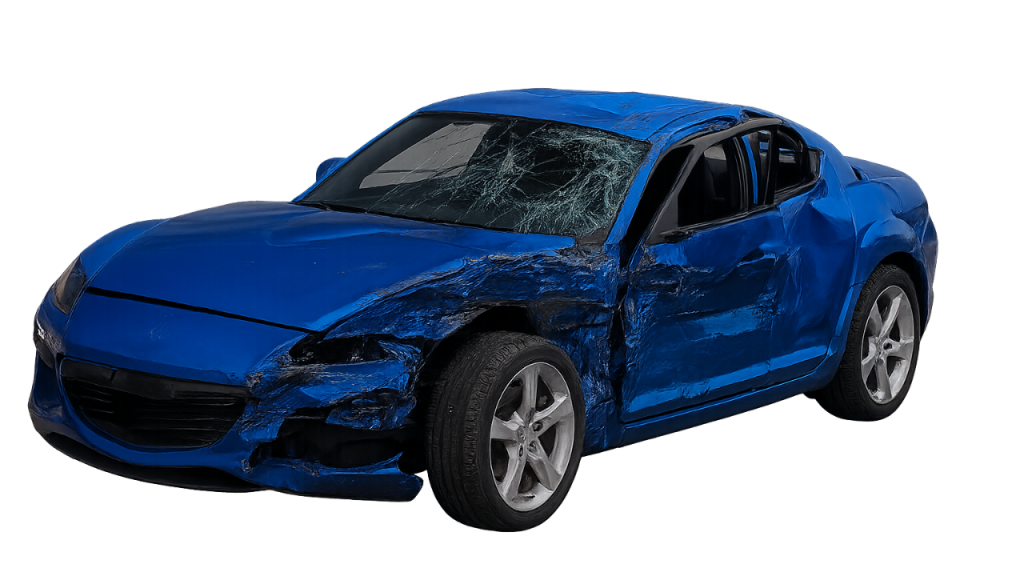
Had an accident recently?
We’re here to handle your repairs — stress-free.
We’re here to help with all your auto body and collision repair needs — from accident damage to paint restoration and full repair estimates. Our expert team is ready to assist you.
Regional Pricing Differences and Local Market Rates
Where you live also influences the cost of hail damage PDR. Areas with frequent hailstorms—like parts of Florida, Texas, and the Midwest—typically have more competitive pricing due to the high demand and availability of specialized technicians. In regions where PDR technicians are scarce, prices may be higher. Shop reputation, skill level, and equipment also vary by location. Trusted, experienced auto body shops with modern tools may charge more, but they offer superior quality, lasting results, and warranties.
Additional Services That May Affect PDR Costs
Beyond dent removal, certain services may be required depending on the damage and insurance requirements. These may include panel removal, recalibration of sensors, replacement of cracked trim pieces, or supplemental repairs for areas where PDR is not possible. Some vehicles may need a final polishing or detailing session to restore the finish completely. Shops that offer a complete hail damage package may include these services at an additional cost, but they ensure the vehicle leaves in pristine condition.
What You Should Expect to Pay for PDR
While exact PDR costs vary based on dent size, severity, location, vehicle type, and insurance coverage, most hail damage repairs fall into predictable ranges. Minor hail repairs might cost just a few hundred dollars, while extensive, vehicle-wide damage can exceed $2,500 or more. Choosing a trusted PDR shop ensures the work is done correctly, preserving your vehicle’s value and appearance. With the right technician, PDR remains the most efficient, cost-effective, and paint-preserving method for fixing hail damage. If your vehicle has been hit by a storm, getting a professional evaluation is the best way to receive an accurate estimate and begin the repair process with confidence.
We Fix Any Make & Model

Why Choose ProCar Auto Body Shop in South Florida?
ProCar Auto Body Shop in Pompano Beach, FL, exemplifies the qualities of a premier full-service auto body shop, offering:
- Certified Technicians: I-CAR Gold Class professionals trained for all vehicles, including luxury models, ensuring elite care.
- OEM Parts: Genuine parts to maintain performance and value.
- Advanced Technology: Cutting-edge frame alignment and paint systems for precision repairs.
- Lifetime Warranty: Guaranteeing repairs for lasting confidence.
- Insurance Coordination: Seamless claims assistance with major insurers.
- South Florida Expertise: Tailored solutions for coastal corrosion and UV damage, critical for vehicle longevity in the region.
Our experience with diverse vehicles, from compact cars to supercars, positions us as a trusted choice for South Florida drivers seeking comprehensive repair solutions.
Frequently asked questions
No. PDR preserves the original factory finish without sanding, fillers, or repainting.
Yes—our technicians specialize in both aluminum and steel panel repairs.
In most cases, yes. PDR is more affordable and has a much faster turnaround.
When done by certified professionals like Pro Car, the repair is typically flawless.
Yes—especially for hail damage or minor collision dents. We handle all insurance paperwork.

Fast, Accurate, and Professional Car Repairs — Every Time.
Level up your vehicle’s look with our 100% accurate, flawless repair work.
& What's you will get:
- 100% Accurate Repairs – Eliminate guesswork and ensure perfect results.
- Restore Confidence – Get professional, precision-based auto body repairs.
- Fast Turnaround – We’ll get your vehicle back on the road quickly.
- Save Time & Money – Skip delays and costly rework with expert technicians.