Insurance Approved Auto Body Repair Process
The insurance approved auto body repair process is the structured method through which a damaged vehicle is evaluated, authorized, repaired, and finalized under an insurance claim. Many vehicle owners assume that once a repair is labeled “insurance approved,” the process is simple and automatic. In reality, insurance approval is only one part of a much larger repair workflow that requires accurate inspections, detailed documentation, and ongoing communication between the repair facility and the insurance company. How this process is handled directly affects repair quality, safety, and long-term vehicle performance.
Insurance approval does not mean repairs are minimal or rushed—it means repairs must be justified, documented, and clearly connected to the accident. A professional auto body shop ensures that insurance approval reflects the actual repair needs of the vehicle, not just a surface-level estimate. Understanding how insurance approved repairs work helps vehicle owners feel confident that their car is being restored properly, not just cosmetically.
How Insurance Approval Fits Into the Repair Process?
Insurance approval is not a single moment—it is an ongoing process that occurs throughout the repair timeline. Initially, the insurance company approves visible damage based on early inspections or photos. As the repair process continues and the vehicle is examined more thoroughly, additional damage may be discovered that also requires approval. Insurance approval adapts as more accurate information becomes available.
This staged approval process exists because modern vehicles often hide damage beneath exterior panels. Insurance companies expect repair facilities to identify, document, and submit this damage for review. Insurance approved auto body repair works best when the shop understands how to present repair needs clearly so approvals reflect real damage rather than assumptions.
Initial Insurance Inspection and Approval
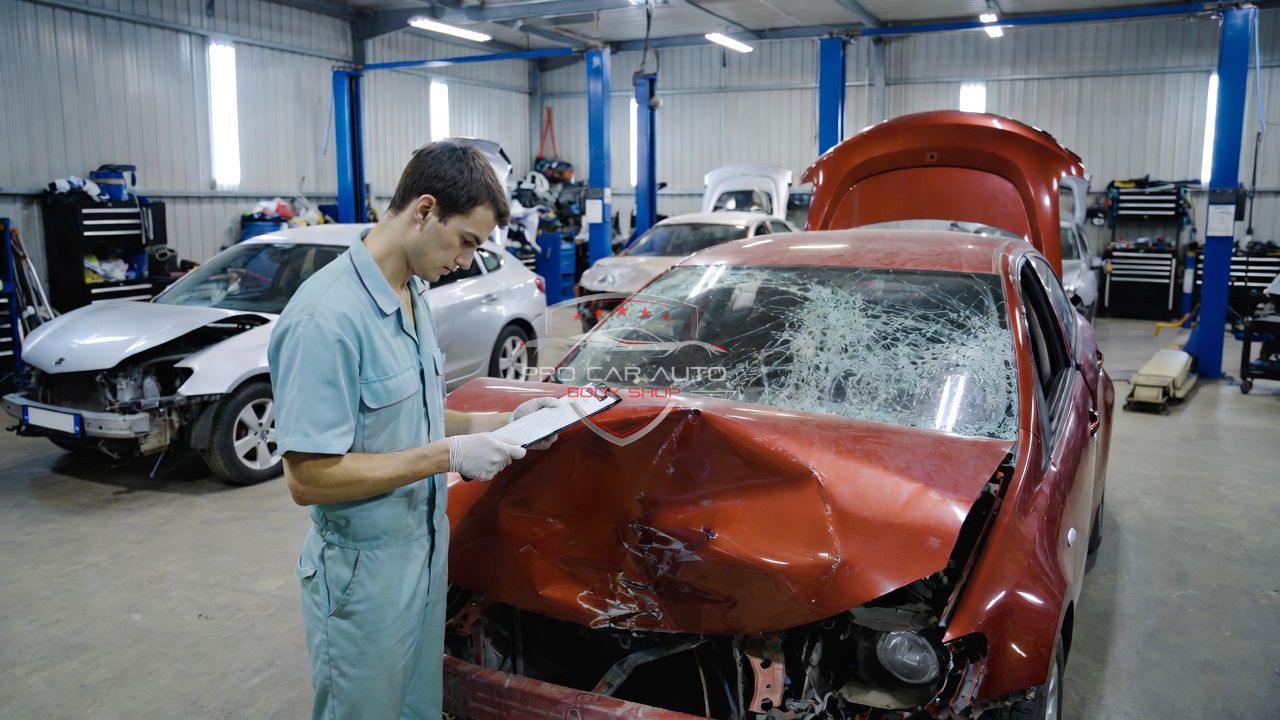
The insurance approved repair process typically begins with an initial inspection conducted by an insurance adjuster. This inspection may be performed in person or through photo submissions. The purpose of this step is to establish a starting point for the claim, not to finalize repair costs.
Because this inspection is limited in scope, it usually focuses on visible damage such as panels, bumpers, and exterior components. Structural damage, alignment issues, and internal component damage are often not fully identified at this stage. The insurance company then issues an initial approval based on what is visible, understanding that additional approvals may be required later.
Choosing an Auto Body Shop for Insurance Approved Repairs
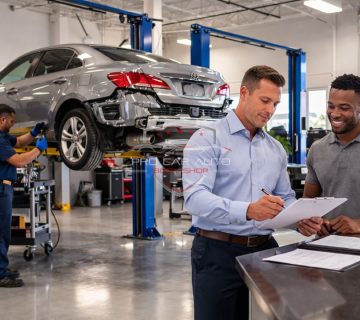
Vehicle owners have the right to choose the auto body shop that will perform insurance approved repairs. This choice plays a major role in how accurately damage is identified and how smoothly approvals are handled. A professional auto body shop understands how to work within insurance guidelines while still prioritizing proper repair standards.
Choosing the right shop ensures that insurance approval is based on thorough inspection and accurate documentation. This prevents underpaid claims, delayed repairs, and incomplete restoration. Insurance approved repairs are only as good as the information provided to the insurer.
Detailed Vehicle Inspection at the Repair Facility
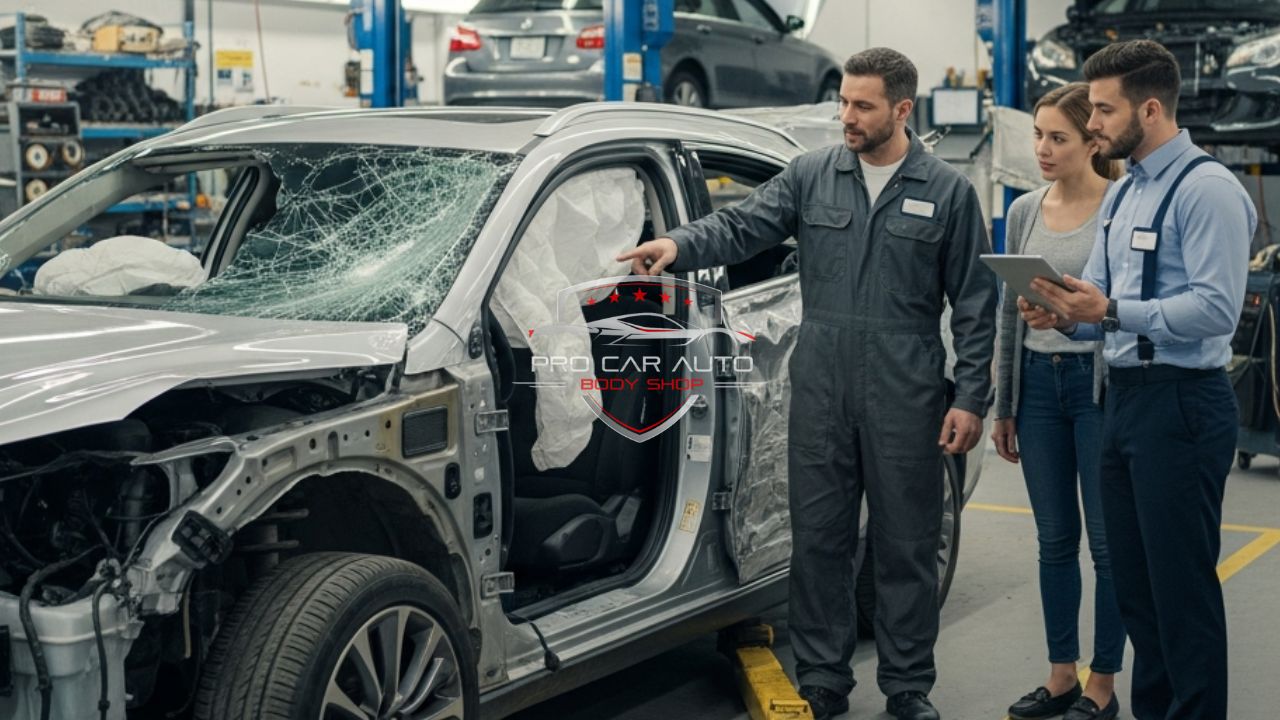
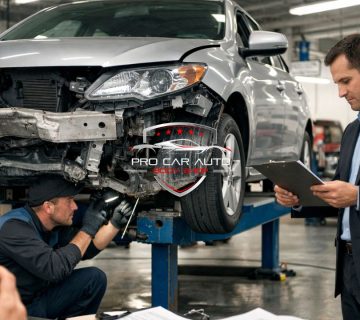
Once the vehicle arrives at the auto body shop, a more detailed inspection begins. This inspection often involves partial disassembly to access areas hidden behind panels and trim. Collision forces travel through the vehicle structure, which means damage is often present in places that cannot be seen during initial insurance inspections.
This stage is critical to the insurance approved repair process. Any additional damage found must be documented and submitted to the insurance company for approval. This ensures repairs address all accident-related damage, not just surface appearance.
Submitting Additional Damage for Insurance Approval
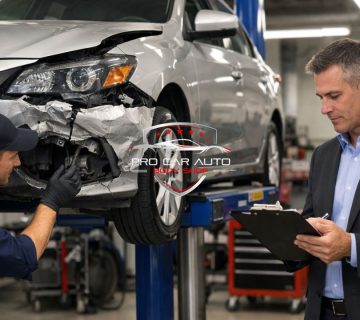
When hidden or additional damage is discovered, the auto body shop prepares detailed documentation explaining the findings. This includes photos, written explanations, and repair logic that connects the damage directly to the accident. This information is submitted to the insurance company for review.
Insurance companies rely on this documentation to authorize further repairs. This step is normal and expected—it does not mean the original approval was incorrect. It means the repair process is now based on accurate information rather than estimates.
Insurance Review and Authorization
After documentation is submitted, the insurance company reviews the information to determine whether additional repairs are approved. During this stage, repairs may pause temporarily while authorization is pending. This review ensures that approved repairs are consistent with policy coverage and accident details.
Clear communication and professional documentation help prevent unnecessary delays. When the insurance company understands why repairs are necessary, approvals are granted more efficiently.
Performing Insurance Approved Repairs
Once authorization is received, the auto body shop proceeds with repairs according to the approved scope. This may include structural correction, panel replacement or repair, refinishing, alignment verification, and safety system restoration. Insurance approved auto body repair is not limited to cosmetic work—it is meant to restore the vehicle’s safety and performance.
Proper repairs ensure the vehicle behaves correctly during normal driving and in future collision scenarios. Insurance approval confirms that the insurer recognizes these repairs as necessary and accident-related.
Quality Control and Final Insurance Review
After repairs are completed, the vehicle undergoes final inspection and quality control checks. This ensures all approved work was performed correctly and that no safety-related issues remain. Documentation of completed repairs may also be shared with the insurance company to finalize the claim.
This step protects both the vehicle owner and the insurer by confirming that repairs meet proper standards and align with approved repair plans.
Closing the Insurance Approved Repair Claim
Once repairs are verified and payments are finalized, the insurance company closes the claim. Claim closure confirms that all approved repairs were completed and documented properly. The vehicle is then returned to the owner in restored condition.
A properly closed insurance approved repair claim ensures transparency, accountability, and confidence in the repair outcome.
Why Professional Handling Matters in Insurance Approved Repairs?
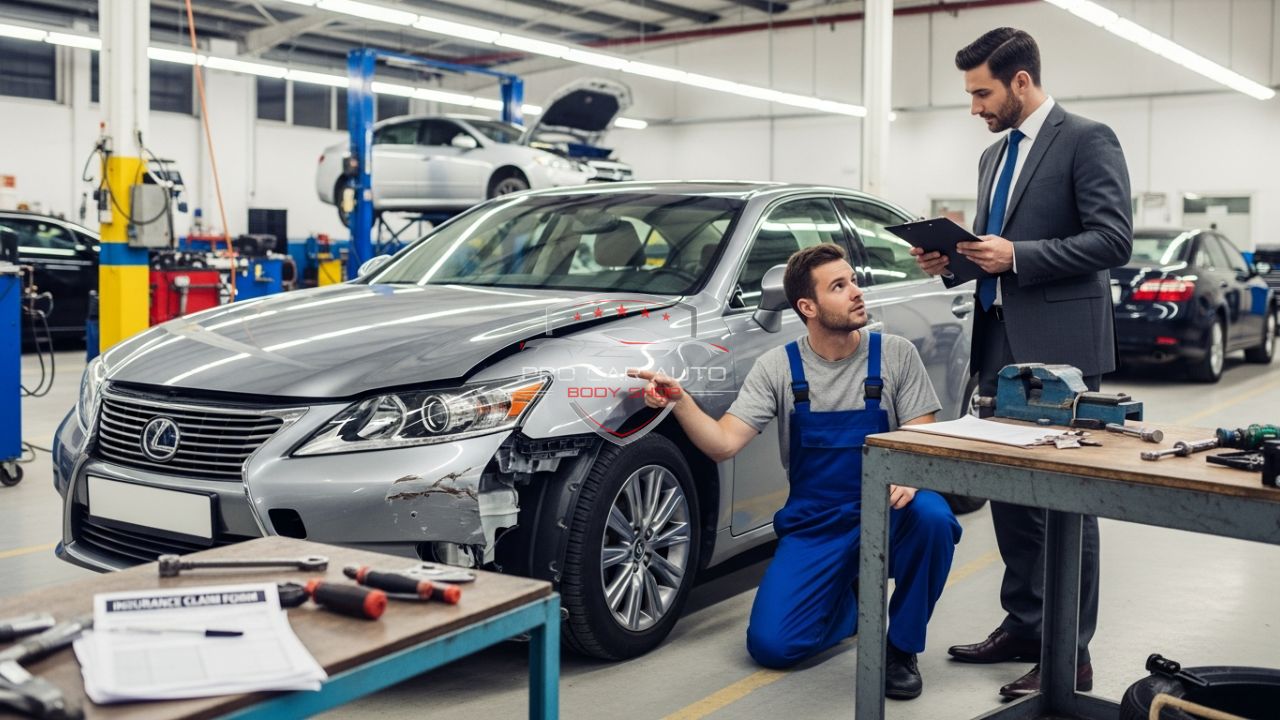
Insurance approved auto body repair involves more than fixing damage—it requires managing inspections, documentation, approvals, and communication. Without professional handling, repairs can be delayed, underpaid, or approved only partially.
Experienced auto body shops understand how insurance approval works and how to ensure repairs are approved correctly rather than minimized. This protects repair quality, vehicle safety, and long-term reliability.
Insurance Approved Auto Body Repair in Pompano Beach
Drivers across South Florida rely on Pro Car Auto Body Shop for professional insurance approved auto body repair services. Our process focuses on in-depth inspections, accurate documentation, and consistent insurance coordination to ensure repairs are approved properly and completed to high safety standards.
📞 Call Now: (561) 372-4547
📧 Email: info@procarautobodyshop.com
📍 1705 Dixie Hwy, Pompano Beach, FL 33060
Final Thoughts
The insurance approved auto body repair process is designed to ensure vehicles are repaired safely, correctly, and in accordance with insurance coverage. Approval is not about limiting repairs—it is about confirming that repairs are necessary, documented, and accident-related.
When handled professionally, insurance approved repairs restore both vehicle safety and owner confidence. The right repair process ensures insurance coverage works the way it should—supporting complete, reliable, and long-lasting repairs after an accident.
No comment