

Insurance Claim Denied – What to Do Next
When an insurance claim is denied after an accident, it can feel like an unexpected roadblock at the worst possible time. Most vehicle owners are already dealing with repair uncertainty, transportation disruptions, and emotional stress from the accident itself. A denial often adds confusion because insurance companies rarely explain decisions in simple terms. However, it is critical to understand that a claim denial does not automatically mean the insurance company is refusing to help. In many cases, it simply means the insurer believes the claim file lacks enough technical detail to justify approval.
Insurance companies make decisions based on documentation, inspections, and how clearly damage is connected to the accident. If any of those elements are missing, unclear, or incomplete, a denial may occur even when the damage is real and repairable. Knowing how to respond after a denial can make the difference between unresolved damage and a properly approved repair.
Why Insurance Companies Deny Claims More Often Than Expected?
Insurance claim denials are far more common than most people realize, and they often have nothing to do with wrongdoing or lack of coverage. One of the most frequent reasons for denial is insufficient documentation. If photos, inspection notes, or estimates do not clearly explain how damage occurred or why specific repairs are necessary, insurance companies may deny coverage until further clarification is provided.
Another major reason for denial is reliance on surface-level inspections. Insurance inspections are often quick and limited, focusing mainly on visible damage. Structural deformation, alignment shifts, internal reinforcements, and safety system impact are frequently missed during these inspections. When repair facilities later request approval for these hidden issues without strong documentation, insurers may deny the request—not because the damage is invalid, but because it was not clearly demonstrated.
A Claim Denial Is Often a Documentation Issue, Not a Final Decision
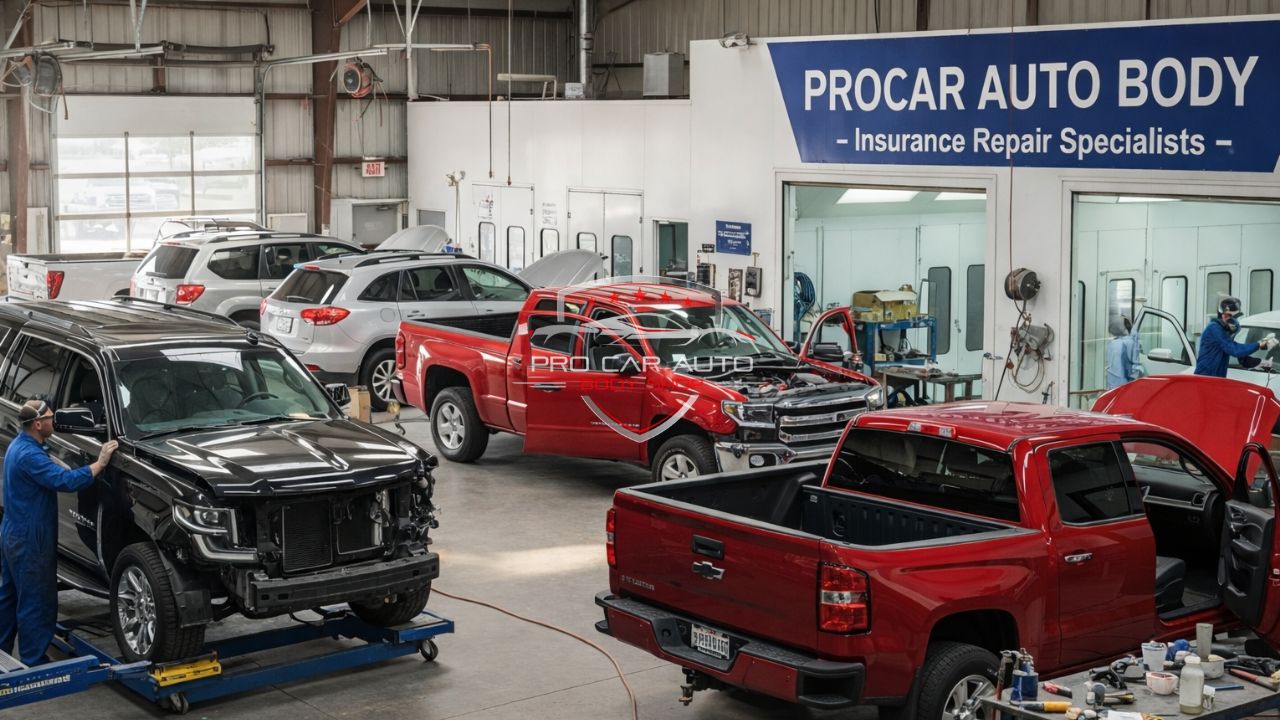
One of the most misunderstood aspects of a denied insurance claim is the assumption that the insurer has made a permanent decision. In reality, many denials are conditional, meaning the insurance company is asking for more information before approving repairs. Denials often occur when adjusters cannot confidently link the damage to the accident based on the documentation they received.
This is especially common when hidden damage is discovered after the initial inspection. If that damage is submitted without detailed explanation, insurers may deny it by default. Once proper documentation is provided—showing how and why the damage occurred—many denied claims are reopened and revised.
Reviewing the Denial Explanation Is a Critical First Step
Insurance companies usually provide a written reason for denying a claim or specific repair items. While these explanations may reference policy language or technical terms, they contain important clues about what the insurer needs to reconsider the claim. Ignoring or misunderstanding this explanation often leads to repeated denials.
A careful review helps identify whether the denial is due to missing photos, lack of inspection detail, unclear repair justification, or misinterpretation of the damage. Addressing the exact reason for denial is far more effective than resubmitting the same information without changes.
Professional Inspection Can Completely Change the Claim Outcome
Many denied claims are reversed after a professional, in-depth vehicle inspection. Insurance inspections are not designed to uncover all damage—they are designed to quickly assess visible loss. A professional auto body inspection evaluates the vehicle at a much deeper level, examining structural alignment, mounting points, suspension geometry, and safety-related systems.
This level of inspection often reveals damage that directly affects vehicle safety and performance but was not captured in the original claim. When this damage is documented clearly, it provides insurers with the technical justification needed to reconsider their decision.
Documentation Is the Strongest Tool After a Claim Denial
Insurance companies rely almost entirely on documentation when making claim decisions. After a denial, verbal explanations or phone conversations alone are rarely effective. What matters is written documentation that clearly explains what was damaged, how the damage occurred, and why specific repairs are required to restore the vehicle safely.
High-quality documentation includes detailed photos, written damage explanations, and logical repair justification. When insurers receive clear, organized documentation, they are far more likely to reassess a denied claim objectively rather than dismiss it outright.
Follow-Up Keeps a Denied Claim Active
A denied claim does not automatically reopen once new information exists. Without follow-up, it may remain closed or inactive in the insurance system. Insurance adjusters manage many claims simultaneously, and denied claims often receive lower priority unless they are actively pursued.
Consistent follow-up ensures that updated documentation is reviewed and that the claim remains visible. Timely communication often makes the difference between a claim that stays denied and one that moves back into active review.
Partial Approvals Are Common After Initial Denials
In many cases, insurance companies may reverse a denial partially rather than fully. This allows some repairs to be approved while others remain under review. Over time, additional approvals may be granted as more information becomes available.
This staged approval process is common in complex collision repairs where damage is discovered progressively. Understanding this helps vehicle owners stay patient while ensuring repairs are not rushed or incomplete.
Avoiding Unsafe Repair Decisions After a Denial
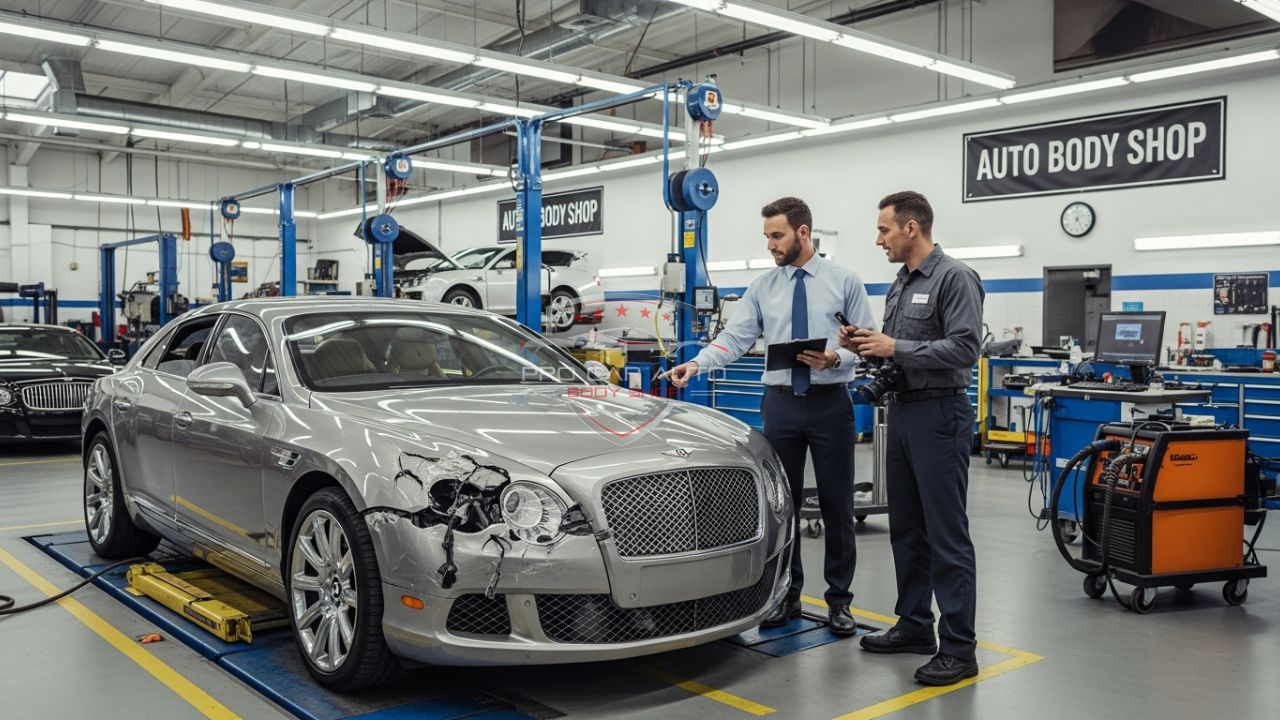
One of the most dangerous outcomes of a denied claim is proceeding with limited or cosmetic repairs simply to get the vehicle back on the road. Skipping structural or safety-related repairs can lead to long-term handling issues, reduced crash protection, and lower resale value.
A denied claim should never pressure vehicle owners into unsafe repair decisions. Instead, it should trigger deeper inspection, stronger documentation, and proper follow-up to support full repair approval.
Professional Help Makes Denied Claims Easier to Resolve
Managing a denied insurance claim can be overwhelming, especially for vehicle owners unfamiliar with insurance procedures. Professional auto body shops help by reviewing denial reasons, preparing revised estimates, documenting hidden damage, and communicating directly with insurance adjusters.
This professional involvement significantly increases the likelihood of claim reconsideration and reduces stress for vehicle owners who should not have to navigate complex insurance disputes alone.
Insurance Claim Denial Assistance in Pompano Beach
Drivers across South Florida trust Pro Car Auto Body Shop for professional insurance claim denial assistance and collision repair support. Our process focuses on detailed inspections, accurate documentation, and consistent insurance follow-up to help denied claims move toward proper repair approval.
📞 Call Now: (561) 372-4547
📧 Email: info@procarautobodyshop.com
📍 1705 Dixie Hwy, Pompano Beach, FL 33060
Final Thoughts
An insurance claim denial is not the end of the repair process—it is often a signal that the claim requires stronger support. Most denials happen because damage was not documented clearly enough or inspections were too limited to show the full impact of the accident.
When denied claims are handled with professional inspection, detailed documentation, and persistent follow-up, insurance companies frequently reconsider their decisions. Proper claim management protects vehicle safety, repair quality, and peace of mind after an accident.



No comment