
Insurance Claim Repair Timeline Explained
The insurance claim repair timeline explains how long it truly takes to repair a vehicle after an accident when insurance is involved, and why the process often takes longer than most drivers expect. Many vehicle owners assume repairs should begin immediately and finish within a few days, but insurance claim repairs involve multiple stages that must happen in the correct order. These stages include inspections, approvals, documentation reviews, parts sourcing, repair execution, and final verification. Each stage affects the overall timeline, and delays at any point can extend the repair process.
An insurance claim repair timeline is not based solely on labor time. It is shaped by how quickly damage is identified, how clearly repairs are documented, how fast insurance approvals are issued, and whether parts are available. Understanding this timeline helps vehicle owners avoid frustration and recognize that time spent during the process is often necessary to ensure repairs are complete, safe, and properly approved.
Why Insurance Claim Repairs Take Time?
Insurance claim repairs take longer than non-insurance repairs because insurance companies must verify every stage of the process before authorizing payment. Insurance companies do not approve repairs based on assumptions—they require documentation that connects damage directly to the accident. This verification process protects insurers financially, but it also adds steps that extend the timeline.
Each approval stage exists to ensure repairs are legitimate and accident-related. While this can feel slow, skipping these steps would result in incomplete or unsafe repairs. A proper insurance claim repair timeline balances efficiency with accuracy to ensure the vehicle is restored correctly.
Step 1: Claim Filing and Timeline Setup
The insurance claim repair timeline begins the moment the claim is filed. This step creates the official record that insurance companies use to evaluate damage, coverage, and liability. At this stage, the insurance company collects basic accident details but does not yet fully understand the extent of vehicle damage.
Many drivers believe the timeline starts when the car enters the shop, but in reality, it starts earlier—with claim creation. Delays at this stage, such as incomplete accident information or slow claim assignment, can already affect the total repair time.
Step 2: Initial Insurance Inspection and Estimate
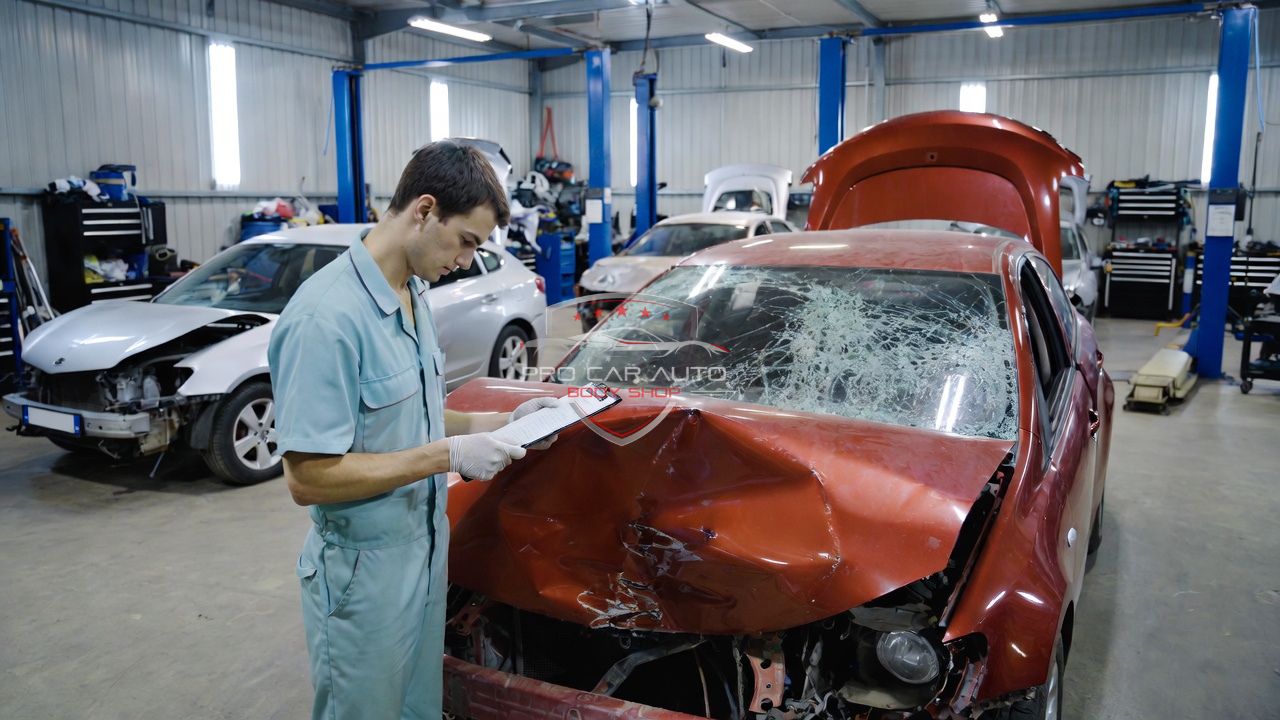
After the claim is opened, an insurance adjuster performs an initial inspection. This inspection may be done in person or through photos and videos. The goal is to estimate visible damage and create a starting point for the claim—not to identify all repair needs.
Because this inspection is limited, it often results in an incomplete estimate. Structural damage, alignment issues, internal component damage, and safety system impact are commonly missed. This limitation is a major reason insurance claim repair timelines extend later in the process.
Step 3: Choosing the Auto Body Repair Shop
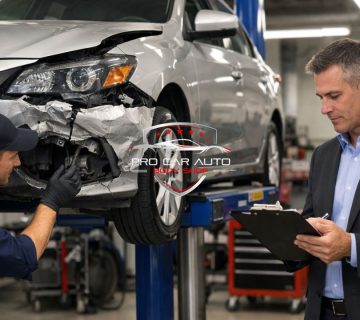
Once a repair shop is selected, the timeline becomes more accurate. A professional auto body shop performs a deeper inspection than insurance adjusters can during early evaluations. This inspection often involves partial disassembly to reveal damage hidden beneath panels and trim.
This stage is critical to the timeline because it determines the true scope of repairs. While it may add time upfront, it prevents delays later by identifying damage early and submitting proper documentation to insurance.
Step 4: Discovery of Hidden Damage
Hidden damage is one of the biggest factors affecting insurance claim repair timelines. Collision forces travel through the vehicle structure, meaning damage is often present in areas not visible during initial inspections. This includes mounting points, suspension components, alignment references, and safety systems.
Once hidden damage is discovered, the repair shop must document it thoroughly and submit it to the insurance company for approval. This process adds time, but it is essential to ensuring the vehicle is repaired safely and completely.
Step 5: Insurance Review and Supplemental Approval
After additional damage is documented, the insurance company reviews the information to determine whether further repairs are approved. During this review period, repairs may pause temporarily. This waiting period is a normal part of the insurance claim repair timeline.
Clear documentation and professional follow-up help reduce delays at this stage. However, approval timelines still depend on insurance workload and internal review processes, which are outside the repair shop’s control.
Step 6: Parts Ordering and Availability
Once repairs are approved, parts are ordered. Parts availability plays a major role in repair timelines, especially for newer vehicles, luxury models, or specialty components. Some parts may be readily available, while others may be backordered or delayed due to supply chain issues.
Insurance-approved parts may also require additional sourcing time. Even when repairs are approved quickly, parts delays can extend the overall timeline significantly.
Step 7: Repair Work Execution
After approvals and parts arrival, repair work begins. This stage includes structural repairs, panel replacement or repair, refinishing, alignment correction, and restoration of safety systems. The time required depends on the severity of damage and the complexity of repairs.
This stage is often the most visible part of the timeline, but it is not the longest when insurance approvals and parts delays are involved. Proper repairs require time to ensure safety, accuracy, and durability.
Step 8: Quality Control and Final Inspection
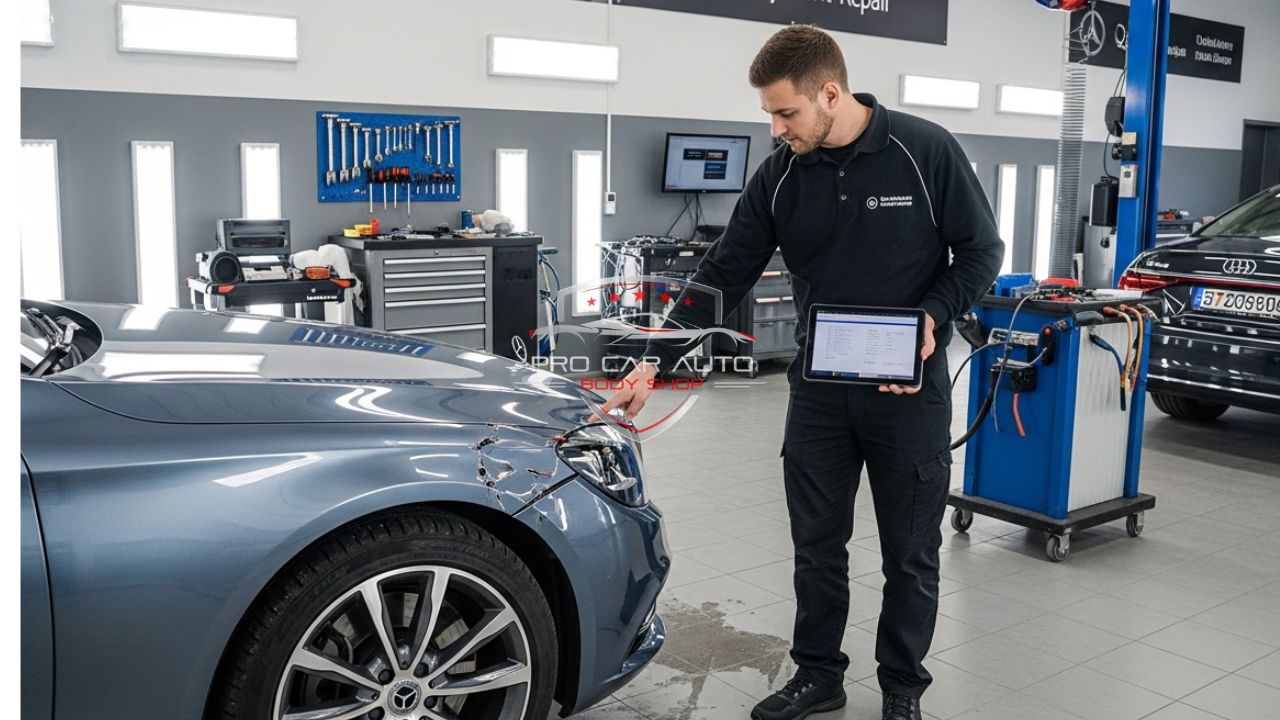
Once repairs are completed, the vehicle undergoes final inspection and quality control. This step ensures all approved repairs were completed correctly and that no safety or performance issues remain. Alignment checks, fitment review, and system functionality testing are performed.
While this step adds time, it is critical to preventing future problems and ensuring repair quality. Rushing final inspection can lead to repeat visits and unresolved issues.
Step 9: Claim Closure and Vehicle Delivery
The final stage of the insurance claim repair timeline is claim closure. After repairs pass inspection, the insurance company finalizes payment and closes the claim. The vehicle is then returned to the owner.
A properly closed claim confirms that repairs were approved, completed, and documented correctly. This step marks the official end of the repair timeline.
Typical Insurance Claim Repair Timeframes
While every case is different, general timelines help set expectations. Minor damage may be repaired in 3–7 days, moderate collision repairs often take 1–2 weeks, and severe damage involving structural repairs or parts delays can take 3–6 weeks or longer.
Longer timelines usually reflect more thorough repairs—not inefficiency. A longer repair often means hidden damage was addressed correctly rather than ignored.
Insurance Claim Repair Timeline in Pompano Beach
Drivers across South Florida trust Pro Car Auto Body Shop for professional insurance claim collision repairs. Our team focuses on detailed inspections, accurate documentation, and direct insurance coordination to keep repair timelines as efficient as possible without compromising safety or repair quality.
📞 Call Now: (561) 372-4547
📧 Email: info@procarautobodyshop.com
📍 1705 Dixie Hwy, Pompano Beach, FL 33060
Final Thoughts
The insurance claim repair timeline is shaped by inspections, approvals, documentation, and repair accuracy—not just labor time. Delays are often necessary to ensure repairs are complete, safe, and properly approved by insurance.
When handled professionally, the insurance claim repair timeline delivers what it is designed to provide: a fully restored, safe, and reliable vehicle, even if that means taking the time to do the job right.

No comment