Insurance Claim Underpayment Help
Insurance claim underpayment occurs when an insurance company acknowledges a claim but approves or pays less than what is truly required to repair a vehicle back to proper, safe, pre-accident condition. This situation creates one of the most frustrating experiences for vehicle owners because, on the surface, the claim appears “approved,” yet the approved amount does not align with real repair needs. Underpayment often becomes apparent only after repairs begin or when a repair facility identifies damage and procedures that were never included in the insurer’s payment.
For many drivers, underpayment creates confusion and uncertainty. The insurance company may issue a payment quickly, giving the impression that the claim is complete, while the repair process tells a very different story. When the approved amount does not match the actual repair requirements, repairs can stall, approvals must be re-requested, and vehicle owners are left caught between insurance limitations and proper repair standards. This gap is not just a financial issue—it directly affects vehicle safety, structural integrity, and long-term reliability.
Why Insurance Claim Underpayment Happens So Frequently?
Insurance claim underpayment is widespread because insurance companies rely heavily on initial evaluations that prioritize speed and cost control rather than complete damage analysis. These early evaluations are often based on photos, short inspections, or estimating software that uses generalized data rather than vehicle-specific conditions. While this approach helps insurers process large volumes of claims efficiently, it often fails to capture the true complexity of modern collision repairs.
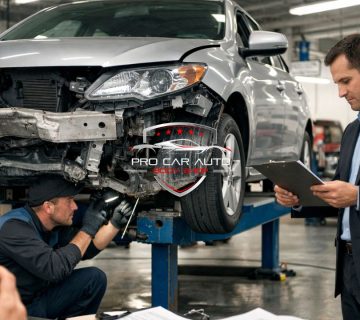
Today’s vehicles are engineered with advanced structures designed to absorb and distribute crash energy. Even low-speed accidents can cause damage far beyond what is visible on the exterior. Internal reinforcements, alignment reference points, mounting brackets, suspension geometry, and safety systems may all be affected without showing obvious external signs. When these areas are not thoroughly inspected and documented, the insurance company’s payment calculation is almost always too low, resulting in underpayment that only becomes clear once proper repairs are evaluated.
Underpayment Often Starts With Incomplete Damage Recognition
One of the biggest contributors to insurance underpayment is limited damage recognition during the early stages of the claim. Insurance inspections are frequently constrained by time, access, and scope. Adjusters may focus on obvious exterior components such as bumpers, quarter panels, or doors, without evaluating what lies behind those parts.
Collision forces do not stop at the surface. They transfer inward, affecting structural components, weld points, brackets, and alignment-sensitive areas. When these deeper issues are not identified during the initial evaluation, they are excluded from the estimate. The insurance company then issues payment based on an incomplete understanding of the damage, which sets the stage for underpayment and later disputes.
Insurance Underpayment Is Not a Denial of Responsibility
It is critical to distinguish insurance underpayment from a claim denial. In underpayment cases, the insurance company accepts responsibility for the accident, but disputes the extent, cost, or necessity of certain repairs. This often occurs because the insurer believes the damage is less severe than it actually is or that certain procedures are optional rather than required.
In most situations, underpayment is not a final position. It is usually a sign that the insurance company does not yet fully understand the repair scope. With stronger documentation, clearer repair logic, and proper follow-up, underpaid claims are frequently revised to reflect the true cost of safe and correct repairs.
Why Initial Insurance Payments Rarely Reflect Final Repair Costs?
Initial insurance payments are almost never intended to represent the final cost of repairs. They are based on preliminary estimates created before full inspection or disassembly. These payments are meant to move the claim forward quickly, not to close it accurately.
However, many vehicle owners assume the first payment is final. When additional damage is discovered later—and payment does not increase accordingly—underpayment becomes a serious issue. This misunderstanding often leads to frustration, delays, and unnecessary tension between vehicle owners, repair facilities, and insurance companies.
Hidden Damage Is the Primary Cause of Underpaid Claims
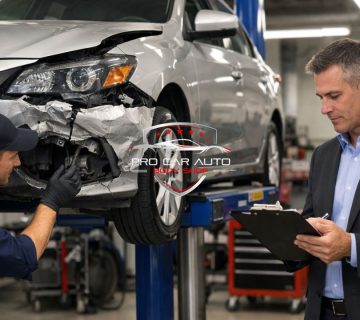
Hidden damage is the single most significant factor in insurance underpayment. Damage behind bumpers, within frame rails, inside quarter panels, or affecting suspension and alignment systems is extremely common after accidents. Safety features such as sensors, cameras, and electronic modules may also be impacted without immediate warning signs.
When hidden damage is not documented early and clearly, the insurance company’s payment will not account for it. Proper identification and documentation of hidden damage is essential to correcting underpayment and ensuring the vehicle is restored safely rather than cosmetically.
Repair Procedures Are Commonly Excluded or Undervalued
Insurance underpayment often involves labor and repair procedures, not just parts. Many insurance estimates exclude critical operations such as complete disassembly, structural measurement, alignment verification, corrosion protection, and post-repair safety checks. These procedures are essential to quality repairs but may be misunderstood or undervalued by insurers without explanation.
When necessary procedures are excluded or priced too low, the approved payment does not reflect the real work required. This creates pressure to rush repairs or skip steps, which can compromise vehicle safety, performance, and long-term durability.
Documentation Is the Foundation for Correcting Underpayment
Insurance companies make payment decisions almost entirely based on documentation. Verbal explanations or assumptions carry little weight. Correcting underpayment requires clear, detailed, written evidence that explains what was damaged, how the damage occurred, and why each repair operation is required.
Strong documentation includes high-quality photos, detailed written damage descriptions, and logical repair justification that ties every repair directly to the accident. When insurers receive this level of clarity, underpaid claims are far more likely to be reconsidered and corrected.
Follow-Up Prevents Underpaid Claims From Being Closed Prematurely
Underpaid claims do not resolve on their own. Once an insurance payment is issued, insurers may consider the claim settled unless additional action is taken. Insurance adjusters manage many claims at once, and underpayment disputes require consistent follow-up to remain active.
Persistent, professional follow-up ensures that revised estimates, additional documentation, and inspection findings are reviewed. This ongoing communication is often the deciding factor in whether underpayment is corrected or ignored.
The Long-Term Risks of Accepting Underpayment
One of the most serious consequences of insurance underpayment is proceeding with incomplete or cosmetic-only repairs. While these repairs may temporarily improve appearance, they do not restore structural integrity, alignment accuracy, or safety system performance. Over time, unresolved damage can lead to handling problems, premature component wear, reduced crash protection, and lower resale value.
Underpayment should never force unsafe repair decisions. It should trigger deeper inspection, stronger documentation, and proper insurance follow-up to support full and correct repair approval.
Professional Support Makes Underpayment Easier to Resolve
Handling an underpaid insurance claim alone can be overwhelming for vehicle owners who are unfamiliar with insurance procedures and technical repair requirements. Professional auto body shops help by identifying missed damage, preparing revised estimates, documenting required procedures, and communicating directly with insurance adjusters.
This professional involvement significantly improves the likelihood of correcting underpayment and ensures repairs are completed according to proper safety and repair standards rather than minimal insurance approvals.
Insurance Claim Underpayment Help in Pompano Beach
Vehicle owners across South Florida rely on Pro Car Auto Body Shop for professional insurance claim underpayment help. Our approach focuses on in-depth inspections, precise documentation, and consistent insurance follow-up to ensure underpaid claims are reviewed, corrected, and approved properly.
📞 Call Now: (561) 372-4547
📧 Email: info@procarautobodyshop.com
📍 1705 Dixie Hwy, Pompano Beach, FL 33060
Final Thoughts
Insurance claim underpayment is not a small inconvenience—it directly affects repair quality, vehicle safety, and long-term reliability. Most underpaid claims happen because damage or required procedures were not fully identified or explained during the early stages of the claim.
When underpayment is addressed through professional inspection, detailed documentation, and persistent follow-up, insurance companies often revise their decisions. Proper claim management ensures insurance coverage works as intended—supporting complete, safe, and reliable repairs after an accident.


No comment