Insurance Repair for SUVs and Trucks
Insurance repair for SUVs and trucks is very different from standard passenger car repairs. These vehicles are heavier, structurally stronger, and designed to handle demanding road conditions. After a collision, repairing an SUV or truck correctly requires advanced inspection, specialized repair equipment, and detailed insurance documentation.
Insurance coverage alone does not guarantee a proper repair. The quality of the outcome depends on how the damage is identified, how the claim is documented, and whether repairs follow proper structural and safety standards.
Why Insurance Repairs for SUVs and Trucks Are More Complex
SUVs and trucks are built on stronger platforms, often with body-on-frame or reinforced unibody designs. This construction increases durability—but also makes collision repair more technical.
SUVs and trucks commonly include:
- Reinforced frames or subframes
- Heavy-duty suspension and steering components
- Advanced Vehicle Damage Inspection and load-management systems
- Larger crumple zones and impact points
- Advanced driver-assistance systems (ADAS)
Even a moderate accident can affect structural and mechanical components that are not immediately visible.
Insurance Estimates Often Miss Critical SUV & Truck Damage
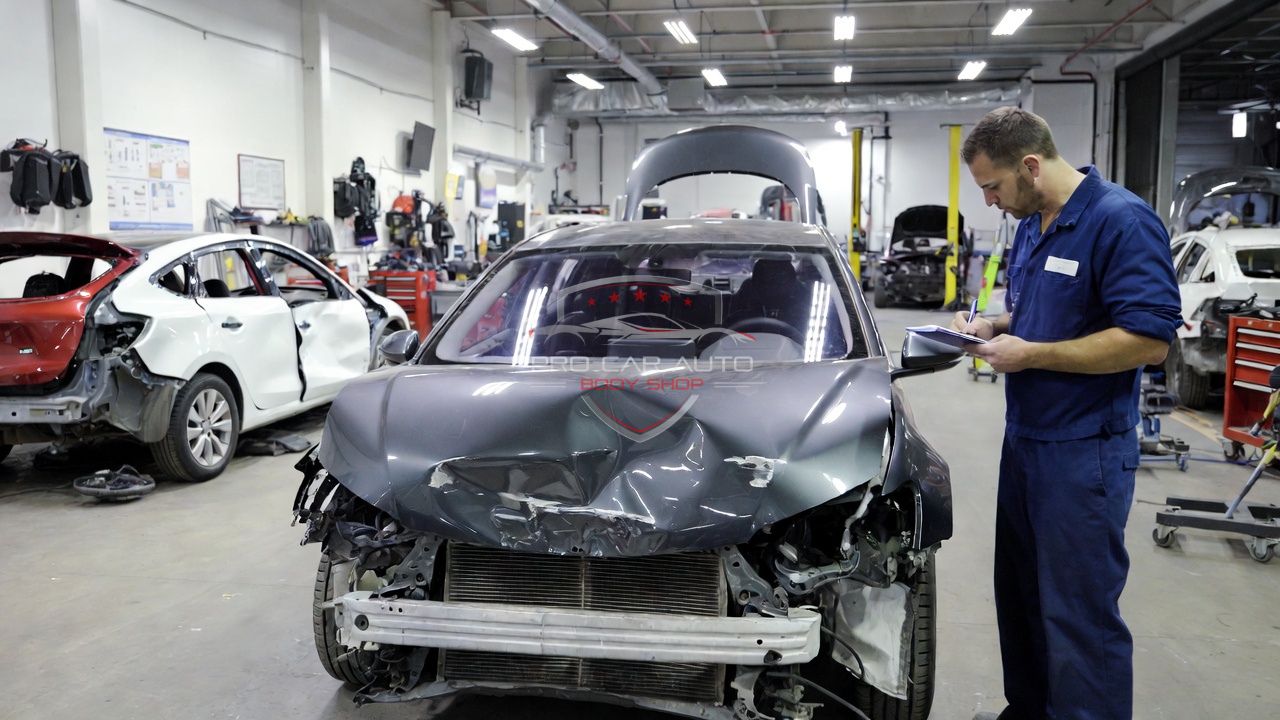
Insurance claims often begin with surface-level estimates, written before the vehicle is fully inspected or disassembled. For SUVs and trucks, this approach frequently overlooks important damage such as:
- Frame or subframe misalignment
- Suspension and axle stress
- Steering and drivetrain impact
- Mounting point deformation
- Sensor and camera displacement
Because of their size and structure, SUVs and trucks must undergo thorough physical inspection before repair decisions are finalized.
Frame and Structural Damage Is Common in SUVs and Trucks
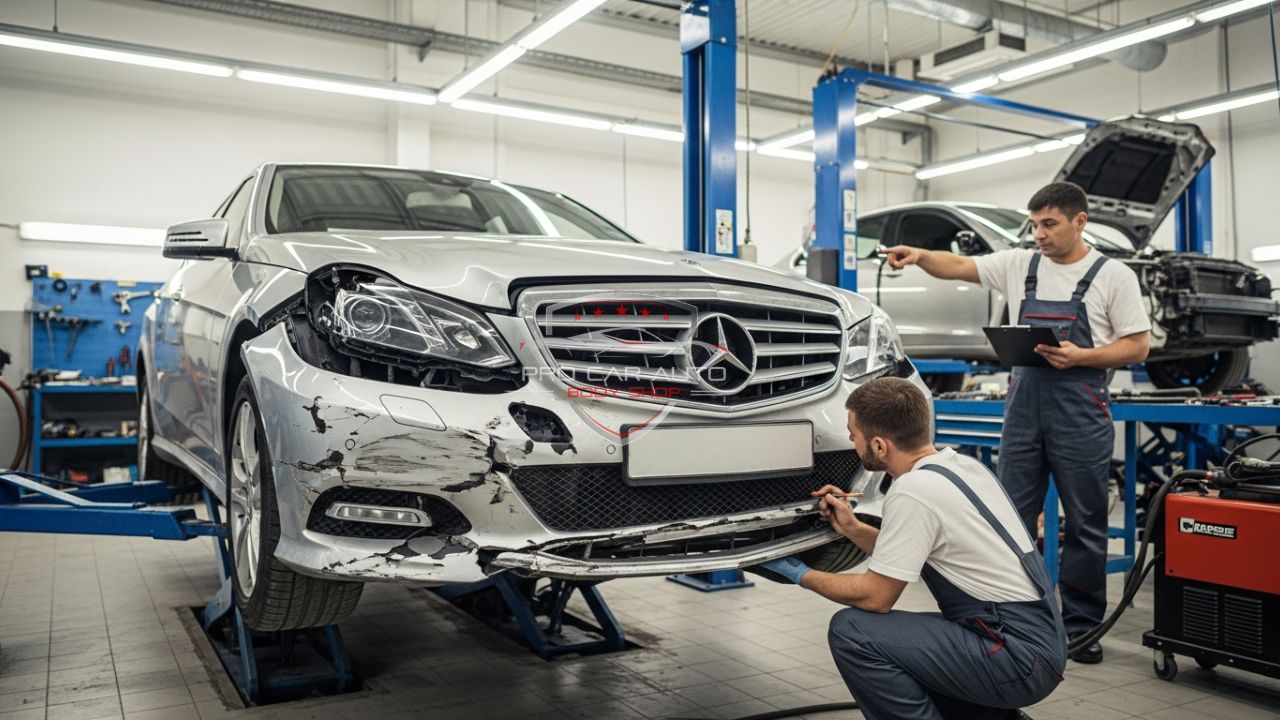
Unlike smaller cars, SUVs and trucks absorb impact forces across a larger and heavier structure. This makes frame and structural inspections critical after any collision.
Structural damage may include:
- Bent or twisted frames
- Crossmember distortion
- Subframe shifting
- Load-bearing point damage
Insurance repair must address these issues properly to restore vehicle safety and handling.
OEM Repair Procedures Matter for SUVs and Trucks
Modern SUVs and trucks are engineered with specific manufacturer repair procedures that dictate how repairs must be performed after an accident.
These procedures define:
- Whether frame sections can be repaired or replaced
- Approved welding or straightening methods
- Suspension and alignment tolerances
- Required post-repair diagnostics
Insurance companies rely on proper documentation to approve these repairs. Skipping OEM procedures can compromise safety and performance.
Hidden Damage Is a Major Issue After SUV & Truck Collisions
Because of their size and weight, SUVs and trucks often transfer collision forces deeper into the structure. Hidden damage is extremely common and may include:
- Suspension geometry changes
- Steering rack damage
- Differential or drivetrain stress
- Sensor and control module issues
This damage often becomes visible only after partial teardown, making insurance supplements a standard part of the repair process.
Insurance Supplements Are Normal and Necessary
For SUVs and trucks, insurance supplements are not disputes—they are a necessary part of accurate collision repair.
Supplements are used to:
- Document additional structural or mechanical damage
- Justify safety-related repairs
- Support replacement of critical components
- Ensure full insurance coverage for proper repairs
Well-prepared supplements protect the vehicle from unsafe shortcuts.
ADAS and Safety System Calibration After Repairs
Many modern SUVs and trucks are equipped with advanced safety and driver-assistance systems, including:
- Blind-spot monitoring
- Lane-keeping assistance
- Collision avoidance systems
- Adaptive cruise control
After a collision, these systems often require recalibration. Insurance repair must include this step to ensure proper functionality.
Parts Availability Can Affect Repair Timelines
SUVs and trucks often require:
- Larger body panels
- Heavy-duty suspension parts
- Model-specific components
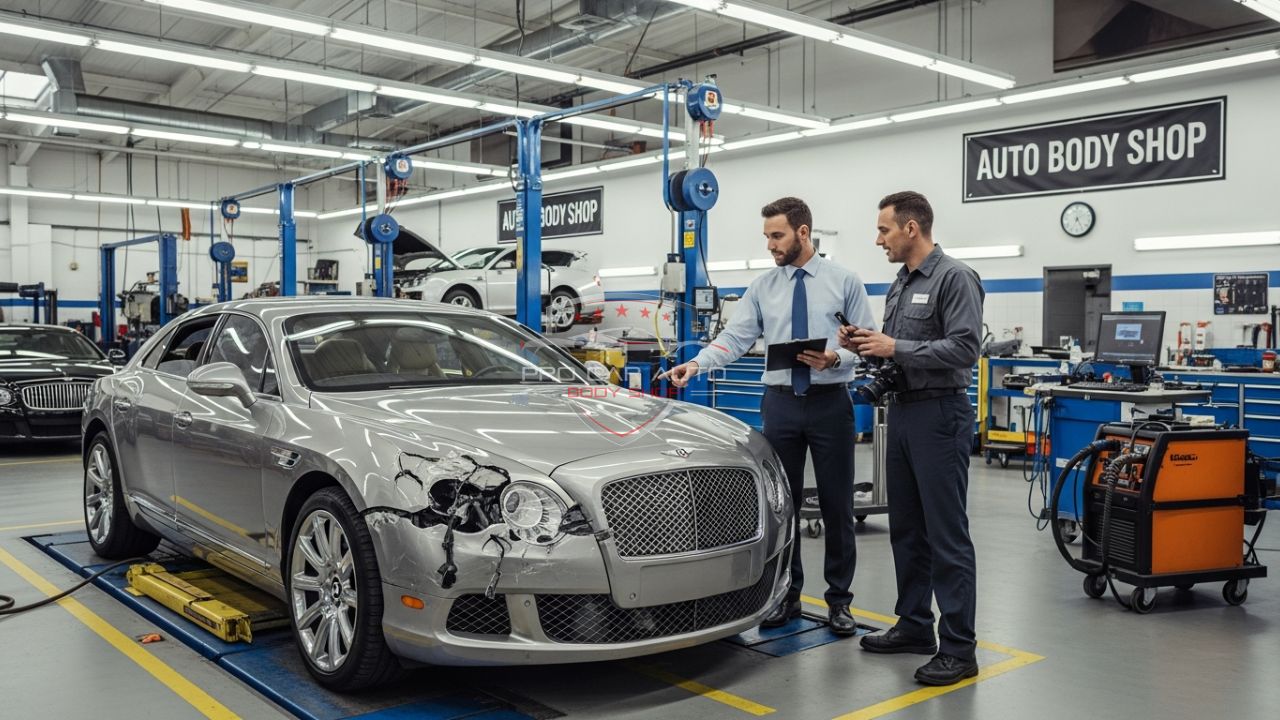
Insurance repair timelines may be affected by parts availability, especially for newer or specialty models. Waiting for correct parts ensures safety, durability, and long-term reliability.
Insurance Coverage for SUV & Truck Repairs
Insurance policies generally cover collision repair for SUVs and trucks, but approval depends on documentation and repair justification.
When handled professionally, insurance may cover:
- Frame and structural repairs
- Suspension and steering components
- Body panel repair or replacement
- Paint and refinishing
- Safety system diagnostics and calibration
Coverage decisions are based on evidence—not assumptions.
Why Choosing the Right Repair Shop Matters
Not every auto body shop is equipped to repair SUVs and trucks properly. Larger vehicles require:
- Heavy-duty repair equipment
- Frame-measuring systems
- Experienced technicians
- Insurance-compatible documentation
Choosing the wrong shop can result in incomplete repairs, alignment issues, and long-term safety concerns.
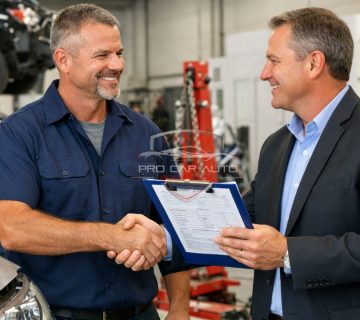
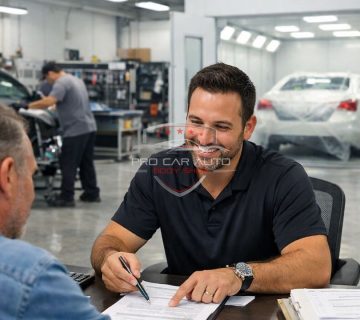
Professional Insurance Coordination Makes a Difference
A professional collision repair shop manages the insurance process by:
- Preparing accurate, detailed estimates
- Submitting supplements efficiently
- Communicating directly with adjusters
- Ensuring all required repairs are approved
This coordination reduces delays and ensures repairs are not compromised.
Long-Term Safety and Value Depend on Proper Repairs
Improper repairs on SUVs and trucks can lead to:
- Poor handling or steering instability
- Uneven tire wear
- Reduced Vehicle Damage Inspection capacity
- Lower resale or trade-in value
Correct insurance repair protects both vehicle performance and long-term investment.
Trusted Insurance Repair for SUVs & Trucks in Pompano Beach
Drivers across South Florida trust Pro Car Auto Body Shop for insurance repair of SUVs and trucks. Our repair process focuses on structural accuracy, safety restoration, and insurance-approved documentation—never shortcuts.
📞 Call Now: (561) 372-4547
📧 Email: info@procarautobodyshop.com
📍 1705 Dixie Hwy, Pompano Beach, FL 33060
Final Thoughts on Insurance Repair for SUVs and Trucks
Insurance repair for SUVs and trucks requires experience, proper equipment, and professional insurance handling. These vehicles are built to protect occupants—but only when repairs are completed correctly after an accident.
When claims are supported by accurate inspections, proper repair procedures, and clear insurance documentation, SUVs and trucks can be restored safely, reliably, and without compromise.
No comment